Women, Widows and Landless Farmers to benefit from community Land trust project in Nabdam
Two-year pilot initiative seeks to improve land access, reduce disputes and promote climate-resilient farming among vulnerable groups
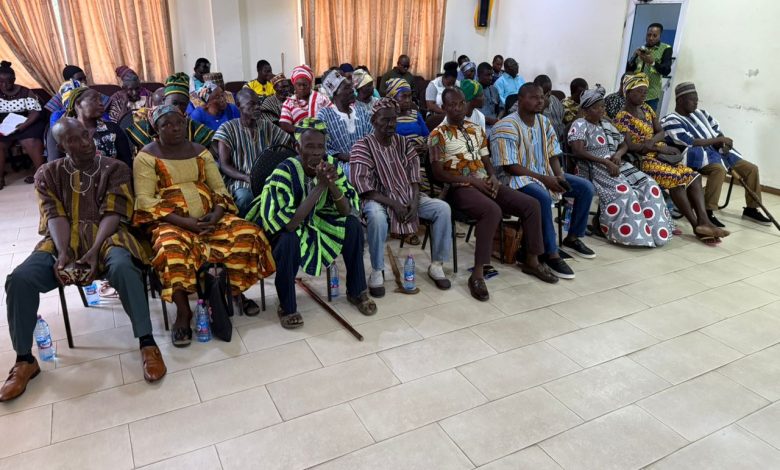
A new community-based land initiative aimed at improving access to land for women, widows and vulnerable groups is set to begin in the Nabdam District of the Upper East Region. The project seeks to reduce land-related conflicts while promoting climate-resilient farming practices.
The two-year pilot project is being implemented by the Widows and Orphans Movement with support from WANAP and the Robert Bosch Foundation under Ghana’s Land Act 2020.
The initiative, dubbed “Tindaana Taredoma Va’am Ba’re,” meaning “Tindaana’s land trust for the vulnerable,” will be piloted in five communities, Dasabligo, Kotintaabig, Nyogbare, Gane-Asonge and Zanlerigu.
The project is expected to benefit widows, migrants and other vulnerable people who traditionally struggle to access land for farming and livelihood activities.
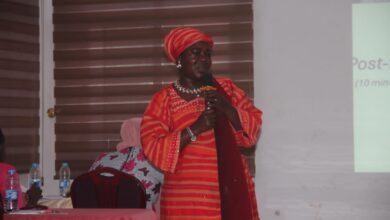
Speaking during an induction ceremony in Bolgatanga, Executive Director of the Widows and Orphans Movement, Fati Abigail Abdulai, said the initiative was inspired by growing inequalities in land ownership as well as threats posed by climate change, food insecurity and illegal mining activities.
According to her, although Ghana’s Land Act contains provisions to improve access to land for women and vulnerable persons, implementation and public awareness remain low.
She explained that the project would establish community land trusts and land banks where portions of land would be reserved specifically for landless people, widows and vulnerable women.
Abdulai noted that the lands would be documented and protected from sale or misuse, while traditional authorities, including Tindanas, chiefs and elders, would play key roles in ensuring fairness in land allocation and management.
The project also seeks to address increasing pressure on land caused by illegal and uncontrolled mining activities, which stakeholders say are contributing to environmental degradation and worsening food insecurity in the district.
As part of the programme, about 100 young people from the beneficiary communities will be trained in conflict prevention, land administration and community leadership to help reduce land disputes.
Beneficiaries will also receive training in agroecological farming practices such as agroforestry, integrated crop and livestock systems, and soil fertility management to improve productivity and climate resilience.
Severin Asobayire of the Upper East Regional Lands Commission described the project as timely, stressing that many women continue to farm on lands without legal recognition and are often excluded from compensation when lands are acquired for development projects.
The Head of Operations at the Office of the Administrator of Stool Lands, Salomey Torka, expressed optimism that the initiative would strengthen transparency in customary land administration, while the Chief of Kotintaabig, Naab Bileesong La’anwont Namong, said the project could serve as a model for other districts across Ghana if successful.
Mike 105.3FM I Navrongo | Prosper Adankai