2025 WASSCE results reveal true state of education hidden under NPP – Mercy Abada
Abada argued that the NPP government was not truthful about the real academic performance of Senior High School students while in power.
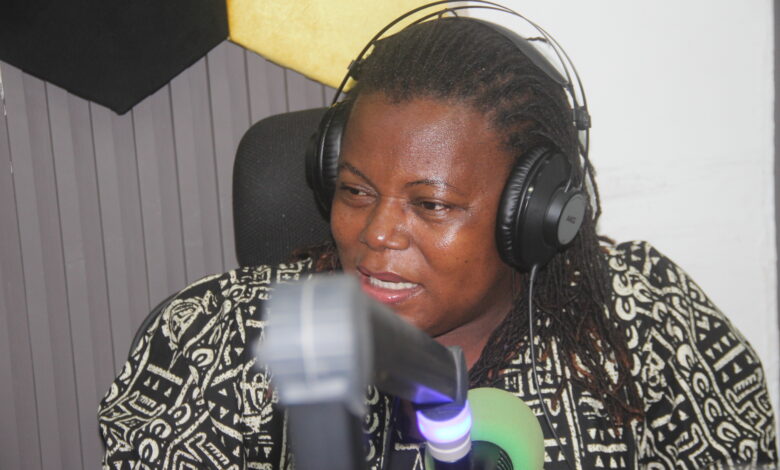
A member of the National Democratic Congress (NDC) Communications Team in the Navrongo Central Constituency, Mercy Abada, says the poor performance recorded in the 2025 West African Senior School Certificate Examination (WASSCE) exposes the true state of Ghana’s education system, one she claims was concealed during the tenure of the previous New Patriotic Party (NPP) administration.
Speaking on the Big Mike Breakfast Show on Wednesday, December 3, Abada argued that the NPP government was not truthful about the real academic performance of Senior High School students while in power.
According to her, the latest results do not reflect a sudden decline, but rather reveal longstanding weaknesses that were previously masked.
“I don’t think something went wrong. What we are seeing is the true state of our education. In the past, there were allegations that the government interfered with pass rates and released figures that were not accurate. If you consider the Global Education Performance Index, Ghana was ranked 125 out of 180 countries, clearly not impressive, yet results released locally painted a different picture.” She said.
Abada further claimed that feedback from university lecturers confirmed these discrepancies.
“We had students entering university with aggregates 6 and 10 who could not solve basic algebra. How do you justify passing WASSCE with an A in English when a student cannot construct a complete sentence without errors, So nothing has gone wrong, we are simply seeing the reality that should have been visible years ago.”
The NDC communicator said challenges associated with the implementation of the Free Senior High School (Free SHS) policy contributed significantly to the decline, noting that although access to education increased, the system lacked the resources to manage the surge in enrollment.
“Free SHS is a good policy because it expanded access, but the challenges outweighed the benefits. The rise in student numbers was not matched with adequate infrastructure, leading to the double-track system. No new teachers were recruited to compensate for the increased workload. The cumulative effect was always going to be poor results, but the former government used tactics to cover up these shortfalls.” She said.
Abada expressed hope that the latest results will provide government and the Ghana Education Service (GES) with a clearer understanding of the systemic issues confronting the sector.
She emphasized that this reality check should guide targeted interventions aimed at reversing the downward trend in academic performance.
Mike 105FM | Navrongo | David Adapuna