Decentralising teacher recruitment key to solving rural education challenges – Alhassan Suwaidu
Suwaidu said the current centralized recruitment system does not adequately reflect the realities and needs of local communities, particularly those in deprived and hard-to-reach areas.

The Deputy Communications Officer of the National Democratic Congress (NDC) in the Navrongo Central Constituency, Alhassan Suwaidu, has added his voice to calls for the decentralization of Ghana’s teacher recruitment and deployment system, describing it as a critical step toward addressing persistent educational challenges in rural areas.
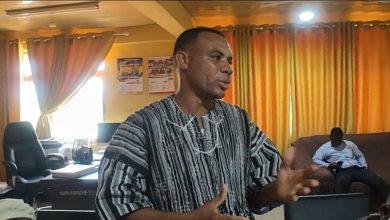
Speaking on the Big Mike Breakfast Show on Friday October 10, Suwaidu said the current centralized recruitment system does not adequately reflect the realities and needs of local communities, particularly those in deprived and hard-to-reach areas.
“There are many volunteers who dedicate their time to support schools in their communities, hoping that when opportunities arise, they will be considered. Unfortunately, because recruitment is centralized, such individuals are often overlooked.” he said.
“The people at the local level understand the unique challenges of rural education better and should have a greater say in the process.”
Suwaidu further alleged that the centralized system contributes to low teacher retention rates in rural communities. Citing examples from the Kassena Nankana West District, he said many teachers posted from distant regions under past government recruitment drives have since sought transfers back to their home regions.
“During the mass recruitment under the NPP government, several teachers were posted from faraway regions to rural schools here. Most of them taught for only a year and later applied for transfers. Some went through the Ghana Education Service at the national level to get approvals, bypassing the local offices entirely.” He explained.
He argued that decentralizing teacher recruitment would empower district and municipal education directorates to make context-specific decisions, improve accountability, and ensure that rural schools retain qualified teachers.
His comments align with recent calls from civil society organizations and education-focused NGOs urging the government to reform the teacher recruitment and deployment process to enhance equity and learning outcomes across the country.
Mike 105.3FM | Navrongo | David Adapuna