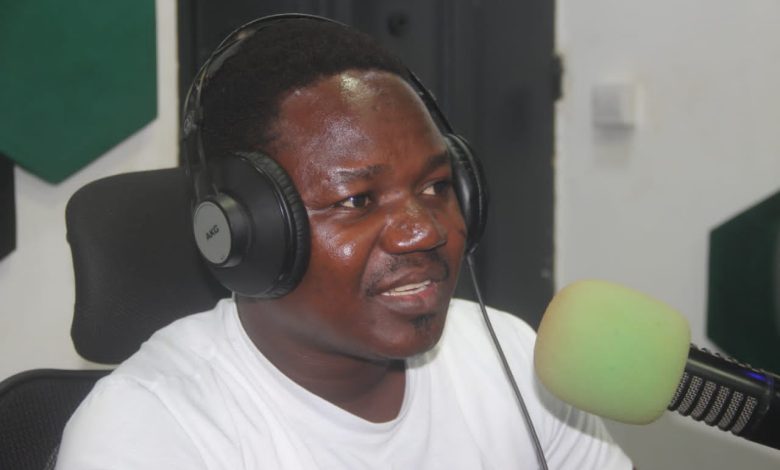
A Physician Assistant, Alfred Aliah, has urged Ghanaians to prioritize regular medical check-ups to facilitate the early detection and effective management of diabetes and other chronic health conditions.
According to him, many people living with diabetes are unaware of their condition until they seek medical attention for unrelated health complaints and are diagnosed after undergoing clinical assessments and laboratory investigations.
Aliah made the call during an appearance on the Big Mike Breakfast Show on Tuesday, June 2, where he educated listeners on diabetes, its causes, symptoms, risk factors, treatment options, complications, and preventive measures.
He emphasized the importance of routine health screening in identifying the disease at an early stage.
He explained that diabetes occurs when there is an excessive amount of sugar in the bloodstream due to the body’s inability to produce sufficient insulin or effectively utilize the insulin it produces.
The Physician Assistant noted that Type 1 diabetes develops when the body’s immune system destroys the insulin-producing beta cells in the pancreas, while Type 2 diabetes occurs when the body either does not produce enough insulin or becomes resistant to its effects.
“Most people diagnosed with diabetes do not actually know they have the condition. They come to the hospital with different complaints, and after assessment and laboratory investigations, we discover they have diabetes,” he stated.
Aliah identified excessive thirst, frequent urination, and excessive hunger as the three cardinal symptoms of diabetes. He further highlighted obesity, smoking, excessive alcohol consumption, unhealthy dietary habits, and physical inactivity as major risk factors associated with the disease.
“Just drinking water frequently does not prove that you have diabetes. However, when a patient presents with excessive thirst, excessive eating, and frequent urination, diabetes becomes one of the first conditions to suspect, although laboratory confirmation is still required,” he explained.
He cautioned that untreated or poorly managed diabetes can lead to serious complications, including blindness, kidney failure, nerve damage, stroke, and heart disease.
Aliah therefore encouraged the public to adopt healthy lifestyles, maintain balanced diets, engage in regular physical activity, avoid harmful habits such as smoking, and undergo periodic medical screening to reduce their risk of developing diabetes and its associated complications.
Mike 105.3FM I Navrongo | Elizabeth Apusaama