UNDP urges youth and community leaders to champion peace, fight violent extremism
The call was made during a radio campaign aimed at tackling misinformation, disinformation, and hate speech, which UNDP says continue to threaten community cohesion and national stability.

The United Nations Development Programme (UNDP) has urged youth groups, religious bodies, and traditional authorities to become ambassadors of peace and to guard their communities against violent extremism.
The call was made during a radio campaign aimed at tackling misinformation, disinformation, and hate speech, which UNDP says continue to threaten community cohesion and national stability.
The campaign, aims at addressing the prevalence of hate speech,disinformation/misinformation, and other indecent forms of expression, especially through social media platforms, can catalyze hatred, incitement, violent conflicts, and violent extremism is organised with funding from the Foreign Commonwealth Development Office (FCDO)
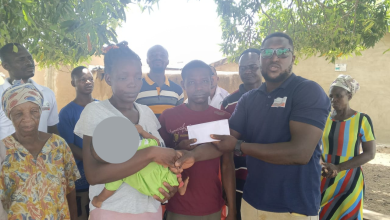
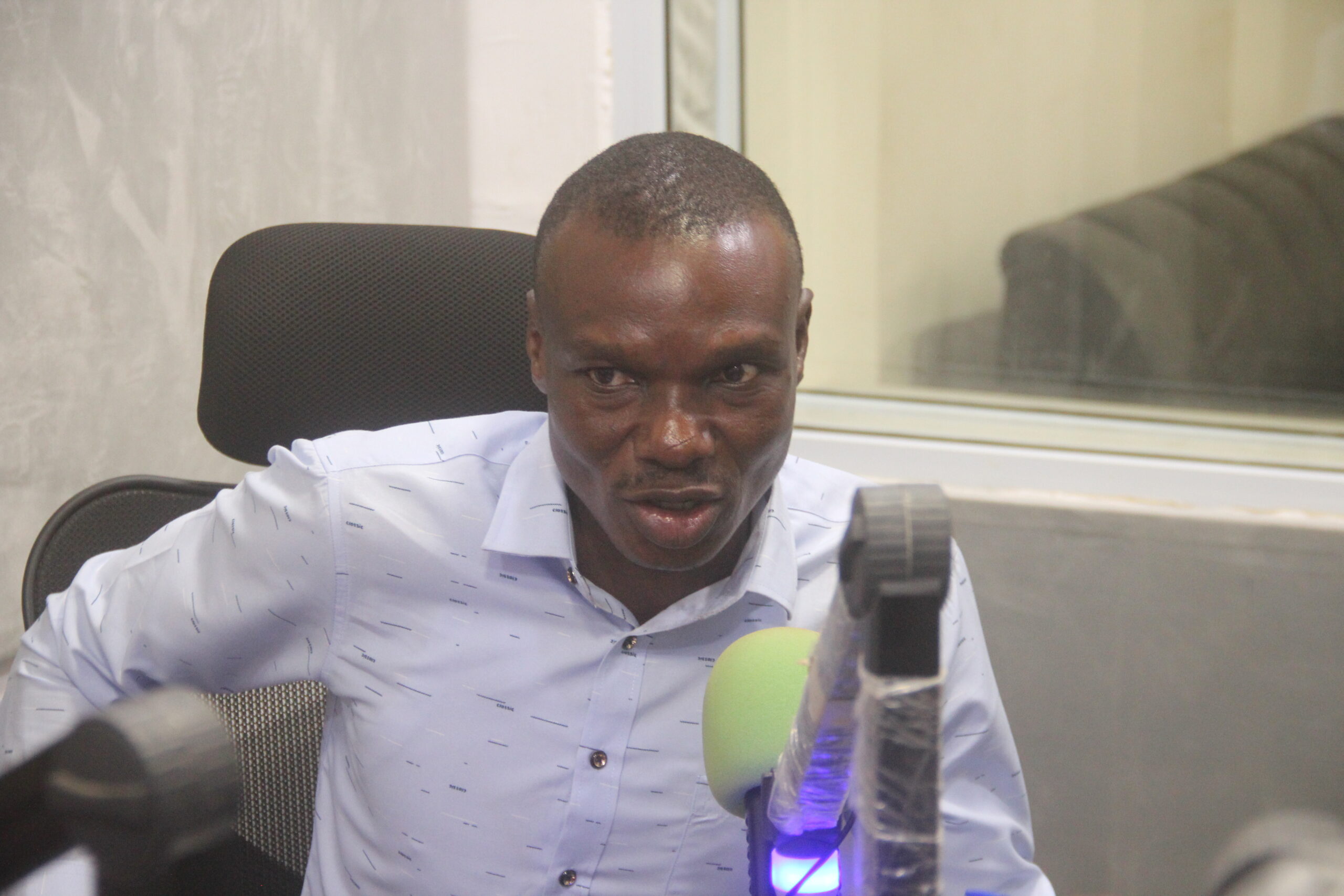
William Adongo, PVE Project Officer, UNDP Ghana, explained that the campaign seeks to educate the public on the dangers of sharing unverified information and to encourage responsible communication.
“This project is about peace. It’s building on a broader project that we started which is called Preventing Violent Extremism in the Atlantic Corridor; it was being implemented by five countries, Burkina Faso, Benin, Togo, Cote D ivoire, and Ghana.”
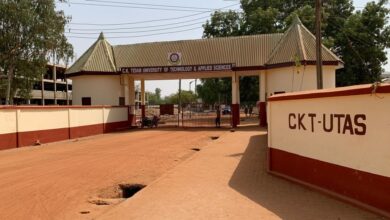
“This discussion is just building on that. We are targeting the youth, especially students in tertiary institutions. Recently, we experienced a lot of violence in our institutions and we don’t know why.” Adongo added
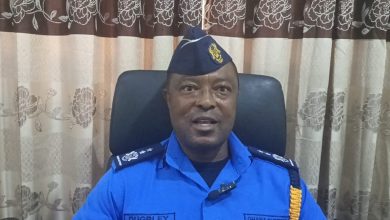
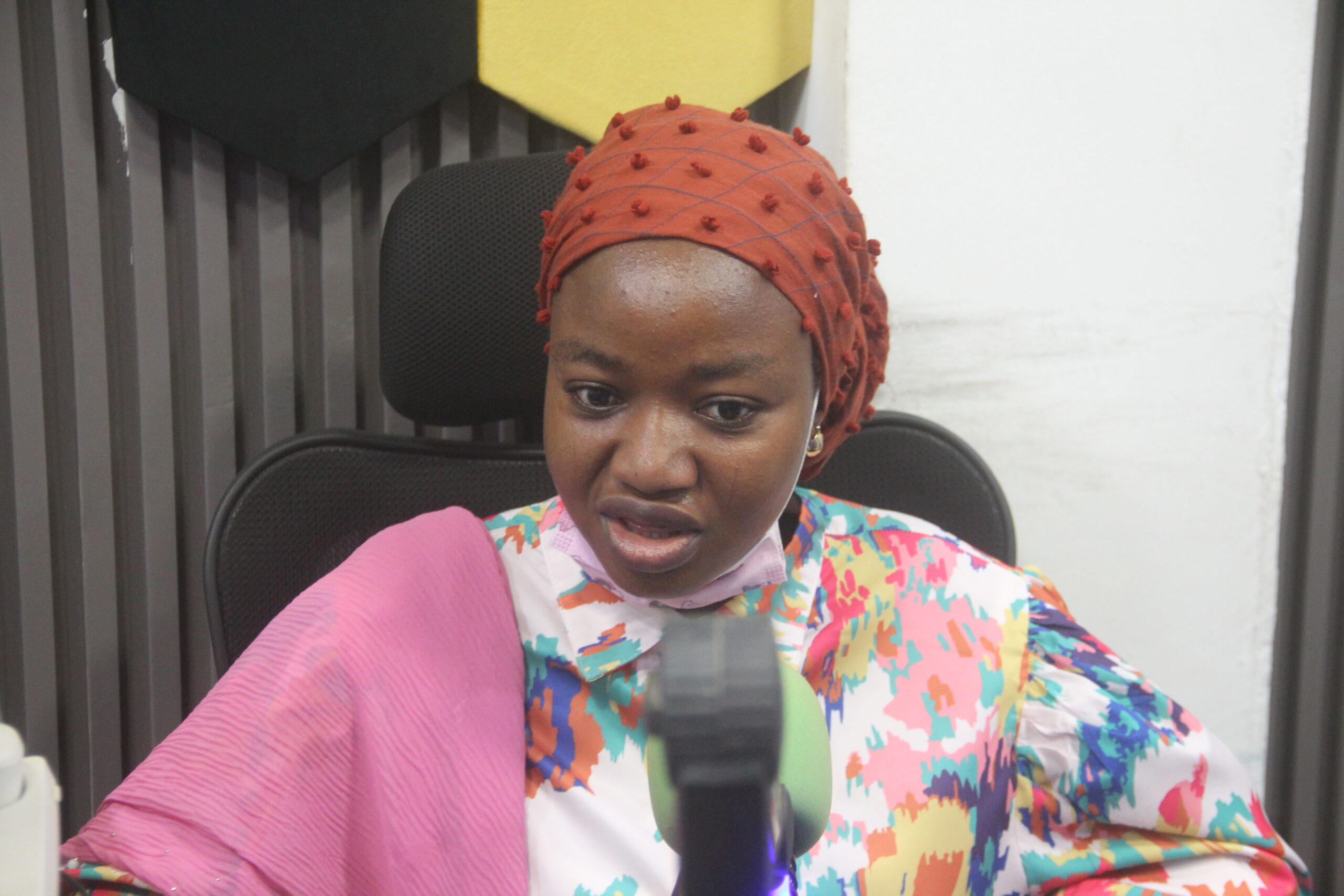
A staff member of the Upper East Regional Secretariat of the National Peace Council, Fouzia Issifu, also appealed to residents to avoid circulating false information, stressing that misinformation fuels fear and provokes hate among community members.
“There is a need to verify information before spreading, depending on the type of information, even if verified and authenticated, but you have to look at the content of the information. Does it have the potential to incite people against each other? If yes, don’t share.
“We discourage students from engaging in hate speech because it can make people feel marginalized, where they would begin to resort to these violent extremist organizations. Or if these violent extremist organizations can identify them, they can radicalize them to fight against us, which we are trying to prevent.” Fouzia said
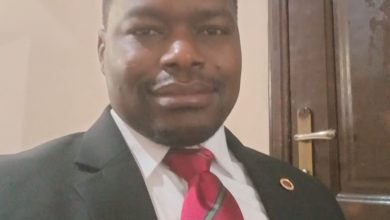
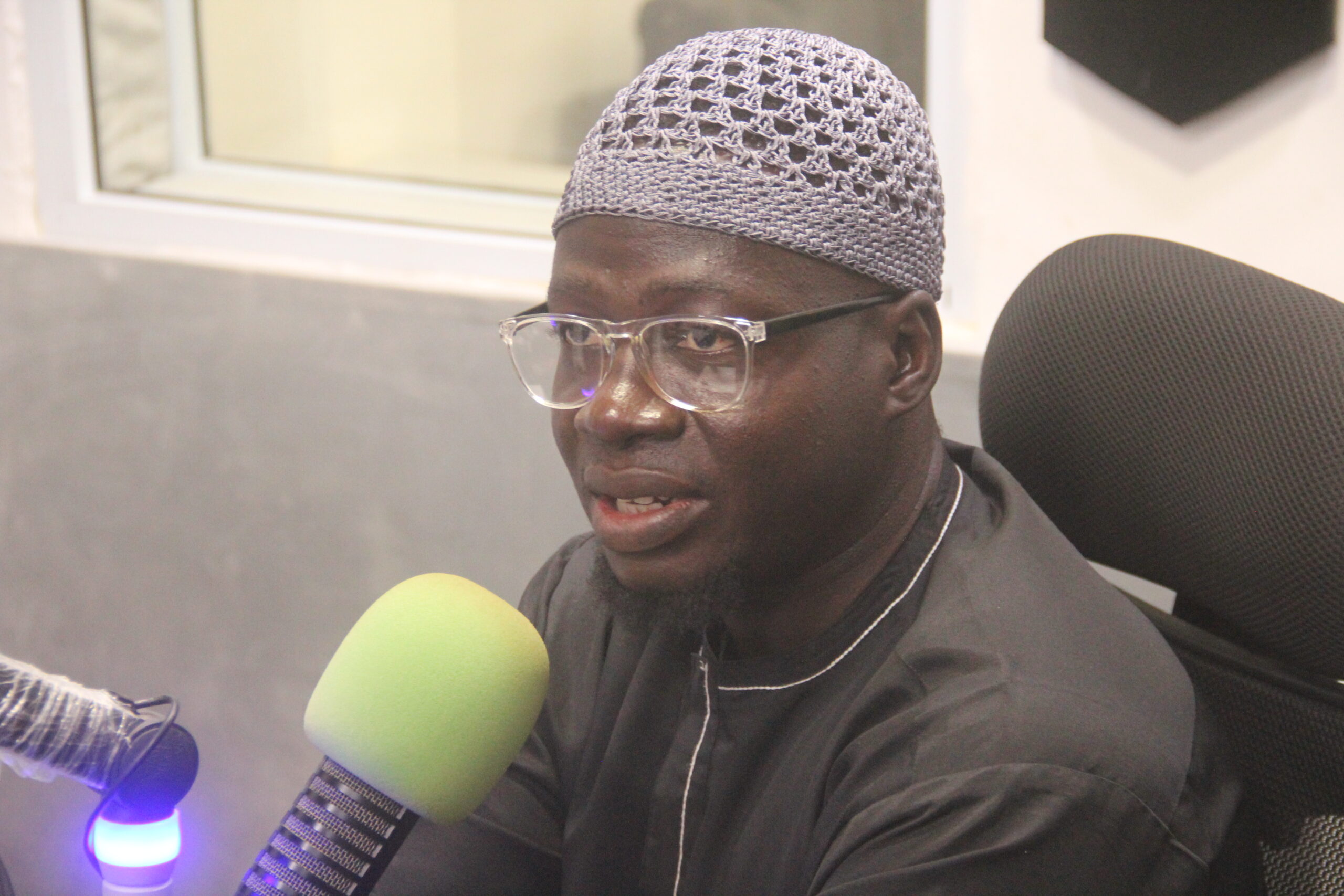
Islamic preacher and youth leader, Alhassan Bukari, further called on religious and traditional leaders to lead by example. He encouraged them to use their influence to promote unity and to speak out against acts that threaten peace within their communities.
“Our church leaders, our mosque leaders, and our traditional leaders should live by example, first of all. Yes, and when they speak, the people who follow them should see that they are promoting peace.”
“When you are preaching, your followers should see that you are preaching for unity, and for development. When that is done, when there’s an issue in the church, or in the mosque or an issue between the church and the mosque, you’ll be the first point of call and when an issue is brought to your attention, you should listen to both parties and try your best to ensure that you are looking for fairness and in bringing up fairness, peace should be the ultimate goal.”
The radio engagement forms part of a series of community sensitisation activities being undertaken by UNDP and local partners to strengthen early warning systems and reduce vulnerabilities to extremist recruitment.
Mike 105.3FM | Navrongo | Alexander Bombande