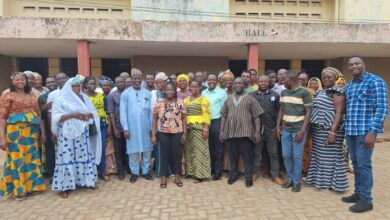
From job seekers to job creators: How YAEP is transforming youth through Agribusiness
YAEP equips young people with agribusiness and entrepreneurship skills to create jobs and drive economic growth.
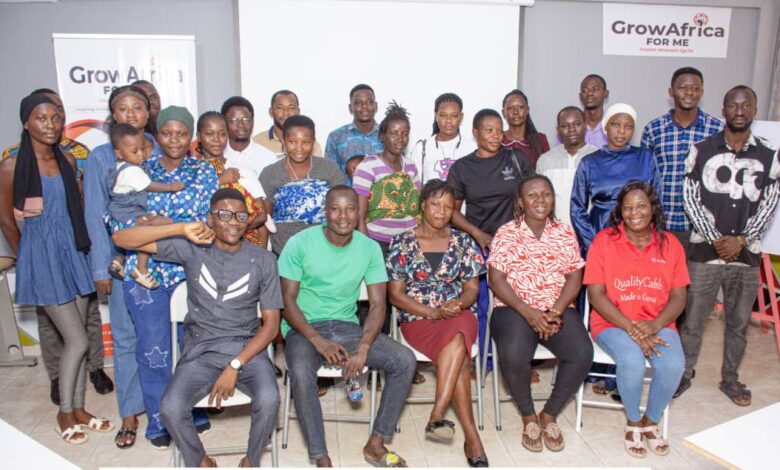
Across Ghana, youth unemployment has evolved from a policy concern into a national development challenge. With an estimated 1.9 million young people classified as Not in Education, Employment, or Training (NEET), the country faces not only a shortage of jobs but also a growing pool of untapped talent, underdeveloped skills, and unrealised economic potential.
Yet within this challenge lies one of Ghana’s most promising solutions: agriculture.
Despite being one of the country’s most important economic sectors, contributing significantly to Gross Domestic Product (GDP) and supporting the manufacturing and services industries, agriculture continues to struggle with a perception problem among young people. For many, it is viewed as labour-intensive, outdated, and a last-resort occupation rather than a modern, profitable, and innovation-driven career path.
This disconnect has created a widening gap between a sector rich with opportunities and a generation searching for sustainable livelihoods.
Barriers to youth participation in Agriculture
Although agriculture remains central to Ghana’s economy, many young people remain disengaged from the sector due to a combination of structural and perception-based challenges.
One major obstacle is the lack of practical, hands-on training in modern agricultural practices. Many young people are exposed only to traditional farming methods that fail to present agriculture as a structured and profit-oriented business venture.
Entrepreneurial knowledge is also limited, making it difficult for aspiring agripreneurs to move beyond production into value addition, branding, marketing, and business expansion.
Access to financing and reliable markets remains a challenge, while weak mentorship structures leave many young people without the guidance needed to navigate the complexities of agribusiness.
Perhaps most significantly, agriculture continues to suffer from negative perceptions among the youth, who often regard it as physically demanding and economically unattractive.
These challenges have contributed to rising unemployment, increasing rural-to-urban migration, and the underutilisation of Ghana’s vast agricultural potential.
However, a growing number of interventions are working to change this narrative.
Repositioning agriculture through innovation
One such intervention is the Youth in Agriculture and Employability Programme (YAEP), an initiative of GrowAfrica For Me (GAFM).
Based in Bolgatanga in the Upper East Region, GAFM is a social innovation and enterprise support organisation dedicated to equipping entrepreneurs, start-ups, and small and medium-sized enterprises (SMEs) with the tools and skills needed to thrive.
Through YAEP, the organisation is tackling one of Ghana’s most pressing development concerns, youth unemployment, by repositioning agriculture as a modern, profitable, and innovation-driven career pathway for young people between the ages of 18 and 35.
The programme is structured as a one-month intensive training initiative that combines modern agricultural practices with entrepreneurship and business development skills. Its ultimate goal is to transform participants from job seekers into job creators within the agribusiness value chain.
From training to enterprise creation
YAEP is designed as a comprehensive pathway that guides participants from skills acquisition to enterprise development.
The first phase focuses on intensive training in key agribusiness and entrepreneurship areas, including Introduction to Agribusiness, the Agribusiness Model Canvas, Marketing Management, Production and Operations Management, Financial Management, Human Resource Management, and Risk Management.
This phase introduces participants to agriculture as a business system rather than a subsistence activity.
The second phase centres on coaching and mentorship, pairing participants with experienced industry professionals who provide technical guidance, practical insights, and career support.
The third phase involves enterprise matching, where participants are connected with established agribusinesses to gain firsthand exposure to real-world operations, challenges, and opportunities across the agricultural value chain.
The final phase provides start-up support through advisory services and in-kind assistance to help participants establish and grow their own agribusiness ventures.
Creating employment through agribusiness
The programme seeks to empower young people with practical agricultural and entrepreneurial skills that enhance employability while promoting self-employment.
Specifically, YAEP aims to strengthen participants’ capacity in modern agricultural production, equip them with entrepreneurial competencies, promote agriculture as a viable and profitable career option, support the development of sustainable agribusiness enterprises, and contribute to reducing youth unemployment through enterprise creation.
Participants share their aspirations
For many participants, the programme represents more than just training, it offers a pathway to economic independence.
Evelyn Zakaria, a participant from Bolga-Soe, believes YAEP is opening doors to agribusiness opportunities she had not previously considered. Inspired by successful women in agriculture, she hopes to establish an agro-processing business specialising in groundnut paste production.
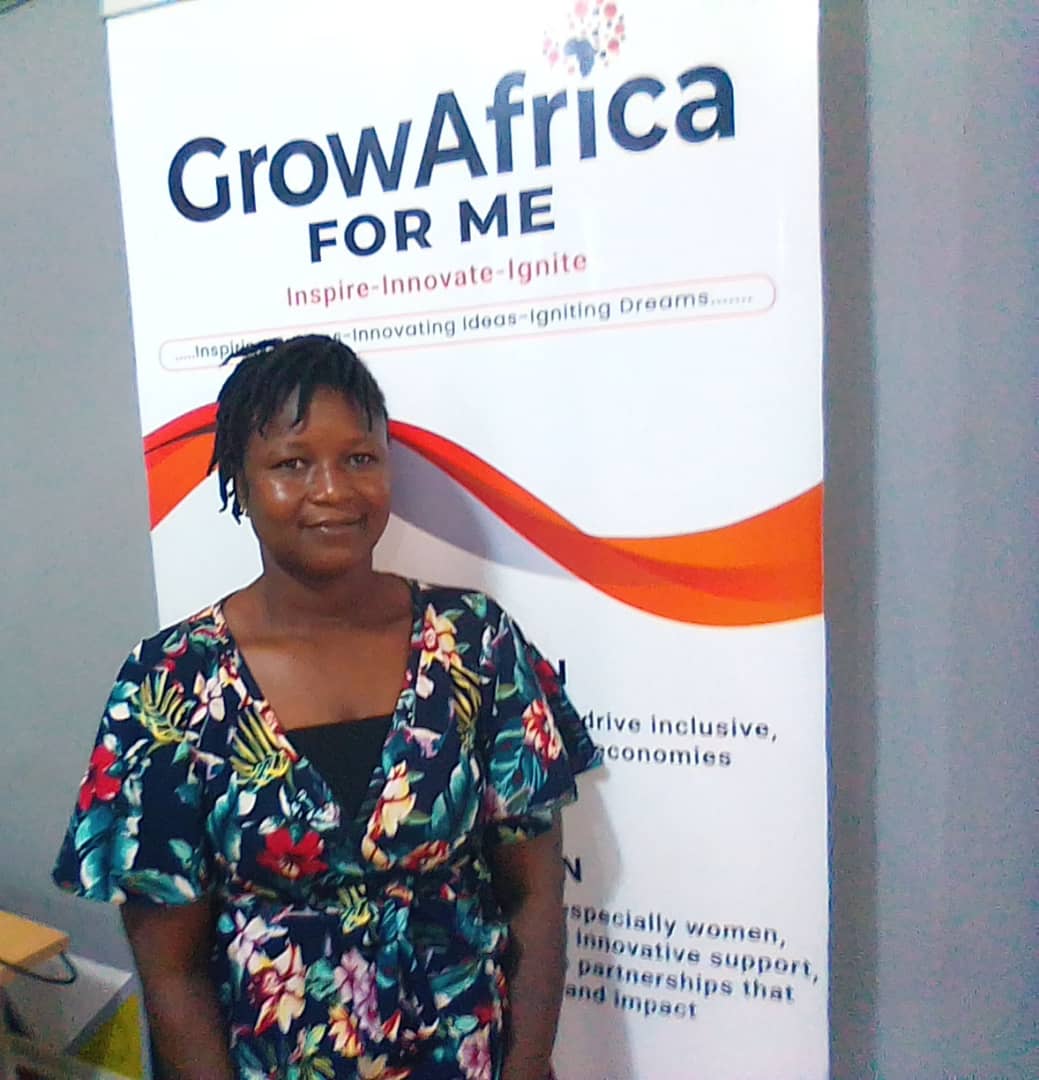
For her, the programme is a stepping stone towards business ownership and economic empowerment.
Similarly, John Abagna from the Bolgatanga East District sees agriculture as a sector filled with limitless opportunities.
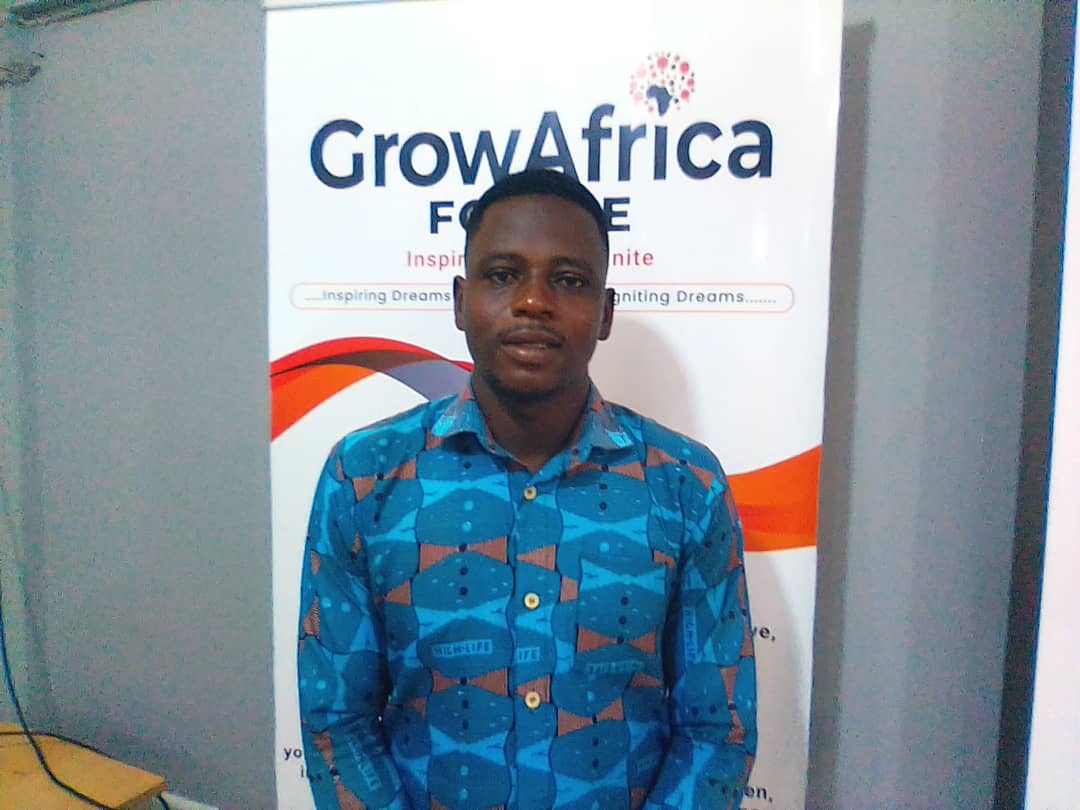
He believes the practical knowledge and entrepreneurial skills acquired through the programme will not only enable him to create a sustainable livelihood but also provide opportunities for others through job creation.
His outlook reflects a growing shift among young people who increasingly view agriculture as a vehicle for entrepreneurship rather than a means of survival.
A strategic response to a National challenge
According to the Executive Director of GrowAfrica For Me, Albert Shiebila Mali, the significance of YAEP extends far beyond training.
He notes that agriculture remains one of Ghana’s strongest economic sectors, contributing significantly to national output and supporting several industries.
However, he argues that the sector’s full potential remains constrained by low youth participation.
With approximately 1.9 million young Ghanaians currently classified as NEET, Mali describes YAEP as a practical response to one of the country’s most pressing socioeconomic challenges.
He emphasises that success in modern agribusiness is no longer determined solely by production capacity but also by innovation, strategic business planning, and value chain integration.
To this end, participants are introduced to tools such as the Business Model Canvas to help them design and manage sustainable agribusiness enterprises.
Beyond classroom instruction, the programme incorporates mentorship, enterprise exposure, and start-up support to ensure long-term impact and sustainability.
Building partnerships for impact
The success of YAEP is supported by strategic partnerships with leading agribusiness organisations, including Buju Farms, Yesumde Ghana Limited, ICOUR, and Just Fertilizer.
These partners provide technical expertise, industry exposure, and practical learning opportunities that enrich participants’ experiences and strengthen the programme’s impact.
To further promote youth engagement in agriculture, GrowAfrica For Me has also partnered with media outlets such as GBC URA Radio in Bolgatanga and Mike FM in Navrongo to raise awareness and encourage broader participation in agribusiness initiatives.
As Ghana continues to grapple with youth unemployment, programmes such as YAEP demonstrate that agriculture, when combined with innovation, entrepreneurship, and strategic support, can become a powerful engine for job creation, economic growth, and youth empowerment.
Rather than being viewed as a sector of last resort, agriculture may well hold the key to transforming the future of Ghana’s young population.
Mike 105.3FM I Navrongo | Prosper Adankai