Supreme Court’s ruling on delegate system will strengthen internal democracy– NPP, NDC communicators
NPP and NDC communicators say the one-year transition period gives political parties enough time to reform their constitutions and expand grassroots participation.
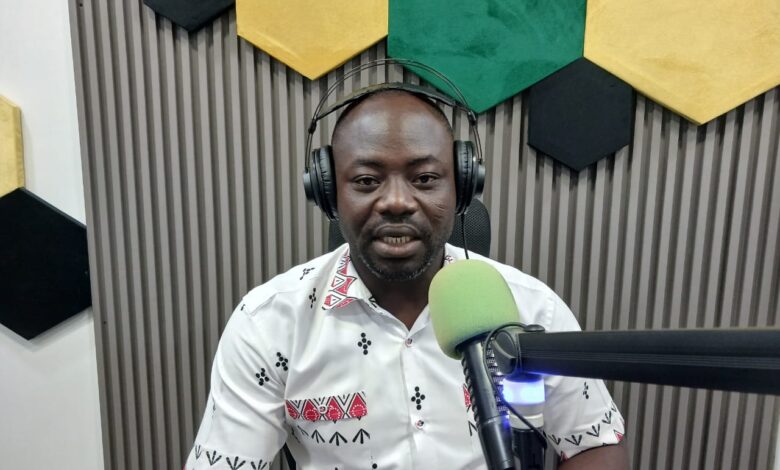
The Supreme Court’s decision declaring the delegate system used by political parties to elect parliamentary and presidential candidates unconstitutional has been welcomed by political communicators, who say the ruling will broaden participation and strengthen internal democracy.
Francis Bugase, NPP Communications Director for the Chiana-Paga Constituency, and Ishmeal Ayefaara Nyaaba, a member of the NDC Communications Team for the constituency, shared this view while discussing the implications of the ruling on the Big Mike Breakfast Show on Friday, July 31.
Bugase said although political parties would have to amend their constitutions and adjust their electoral processes within the one-year timeline set by the court, the ruling presents an opportunity to better organise their internal affairs ahead of future elections.
He explained that the NPP’s decision to elect its presidential candidate ahead of other internal elections was aimed at creating enough time for reconciliation, policy formulation and preparations for the general elections.
“Our main reason was to get enough time to prepare for the elections, to make amendments, correct our wrongs and move forward into the polls.” He stated.
He added that the transition period would allow parties to make the necessary adjustments without disrupting their internal democratic processes.
“It gives us the room to adjust and readjust, make amendments and prepare ourselves for the future.” Bugase added

Ayefaara Nyaaba, on his part, said the NDC was prepared to comply with the ruling, insisting that the party already has structures that support broader participation in internal elections.
He noted that the party’s constitution clearly defines who qualifies as a member in good standing and expressed confidence that one year is sufficient for political parties to align their constitutions with the court’s directive.
“One year is enough. We are prepared for this because our constitution already defines who qualifies as a member in good standing.” Nyaaba explained.
He further stated that expanding the electoral college would empower grassroots members and deepen internal democracy within political parties.
“For you to be a member in good standing, you pay your dues, and that is clearly spelt out in our party constitution.” He said.
The discussion centred on the Supreme Court’s ruling directing political parties to replace the delegate system with a more inclusive electoral process within one year, a decision expected to reshape the way presidential and parliamentary candidates are elected in Ghana.
Mike 105.3FM I Navrongo | Elizabeth Apusaama