Journalists urged to expose human rights gaps in WASH services
WASH journalists trained to adopt a rights-based approach to reporting, investigate service delivery gaps and hold institutions accountable for water and sanitation challenges.
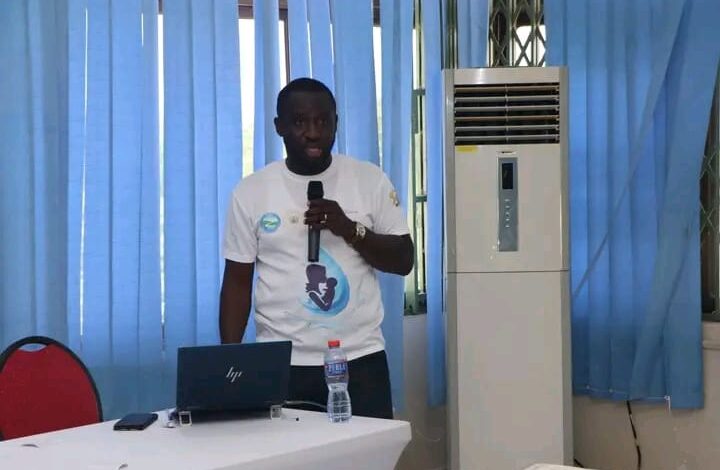
Growing water shortages and unreliable water, sanitation and hygiene (WASH) services should not be treated merely as development challenges but as issues of human rights, equality and institutional accountability, journalists have been told.
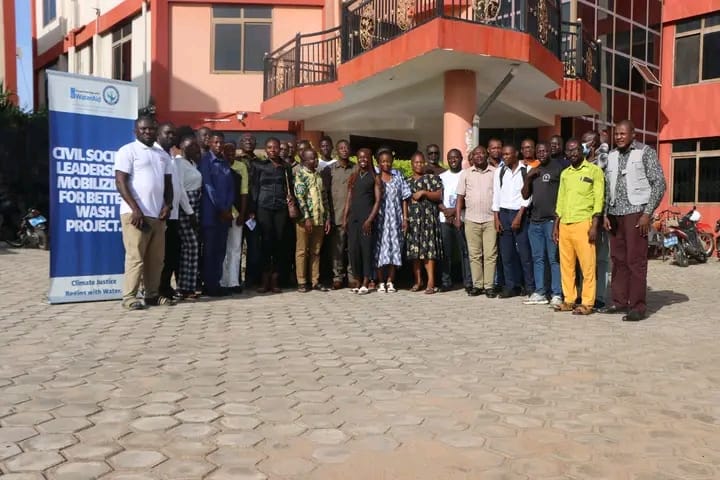
The call was made during a three-day climate change reporting training for 30 WASH journalists organised by the Belim Wusa Development Agency (BEWDA) in partnership with WaterAid under the SIDA CLIMB Better WASH Partnership.
The training, held at the Tap Hotel in Bolgatanga from August 11 to 13, focused on strengthening journalists’ understanding of climate change, WASH, human rights and accountability to improve reporting on issues affecting vulnerable communities.
Participants were encouraged to investigate why communities lack reliable water and sanitation services, who is responsible for providing and maintaining such services, and whether vulnerable groups are being excluded.
The training emphasised that the human right to water extends beyond simply having access to a water source. Water must be available in sufficient quantities, accessible, affordable, safe and acceptable to the people who depend on it.
Journalists were also encouraged to approach WASH reporting from a rights-based perspective by treating affected communities as rights-holders and government institutions, regulators, service providers and other responsible bodies as duty-bearers with obligations to provide and sustain essential services.
Jesse P. Kazapoe, Head of the White Volta Basin, challenged journalists to go beyond reporting that a borehole or other water facility had been constructed and instead investigate whether it was safe, accessible, sustainable and properly maintained.
He urged reporters to ask critical questions about who funds the maintenance of WASH facilities, who is responsible when they break down, and whether communities were consulted before projects were implemented.
Kazapoe also drew attention to vulnerable groups, including children, women and girls, persons with disabilities, poor households, rural communities and the elderly, urging journalists to consistently ask: “Who is being left behind?”
The case of Gurugo Primary School in Bongo-Balungu was cited to illustrate the wider implications of unreliable access to water. Water stress during the dry season can affect pupils’ health, education and dignity, while potentially placing a disproportionate burden on girls.
The training further cautioned journalists against making unsupported claims about climate-related disasters and WASH challenges.
Participants were encouraged to verify evidence, identify the institutions responsible and determine whether relevant legal and institutional obligations had been fulfilled.
The facilitators stressed that climate change should not be viewed solely as an environmental issue, but also as a social, economic and human rights concern, particularly for communities with limited resources to adapt to its effects.
The overall message was that effective WASH reporting must go beyond highlighting problems to uncovering the inequalities, human rights concerns and accountability gaps behind them.
Journalists were therefore encouraged to use their platforms to amplify the concerns of affected communities and hold duty-bearers accountable, helping to ensure that climate adaptation measures and essential water and sanitation services reach the people who need them most.
Mike 105.3FM I Navrongo | Elizabeth Apusaama