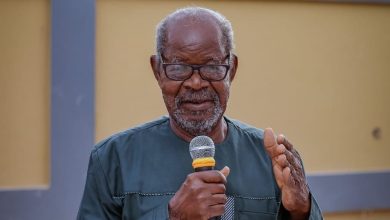
NABOCADO and partners advocate protection of indigenous seed systems to promote food sovereignty
Media urged to support advocacy for indigenous seed preservation
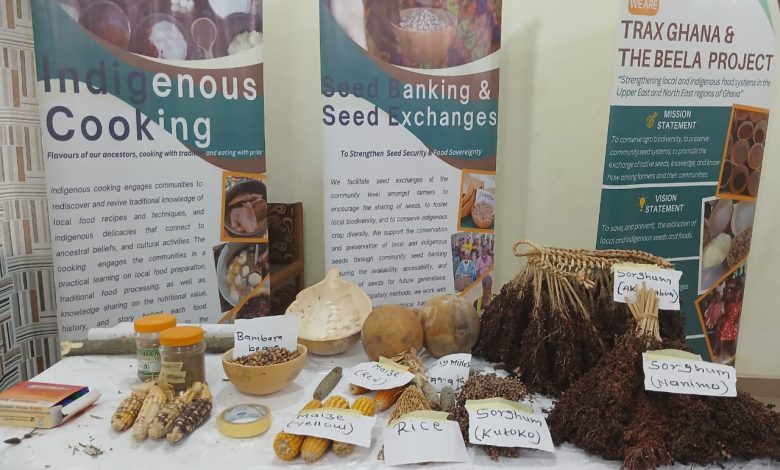
NABOCADO, in collaboration with Trax Ghana and the Beela Project, has called on Ghanaians to support the protection and preservation of indigenous seed systems as a means of ensuring food sovereignty in the country.
The call was made during a stakeholder engagement with members of the media on indigenous seed systems and food sovereignty, held on Thursday, May 14, at the Centre for Child Development Conference Hall in Bolgatanga.
Speaking in an interview, the Director of the Beela Project, Abena Offeh-Gyimah, stressed the importance of safeguarding indigenous seeds, citing the growing threat posed by the influx of hybrid and foreign seed varieties, climate change, and inadequate agricultural policies.
“We are losing our local and indigenous seeds due to the influence and influx of hybrid and foreign seeds, climate change, and the lack of supportive agricultural policies,” she stated.
According to her, engaging the media was crucial in raising awareness and amplifying advocacy efforts aimed at preserving indigenous seeds, which she described as an integral part of the country’s cultural heritage and food systems.
“It is important to safeguard our indigenous seeds because they represent our culture, our identity, and who we are,” she added.
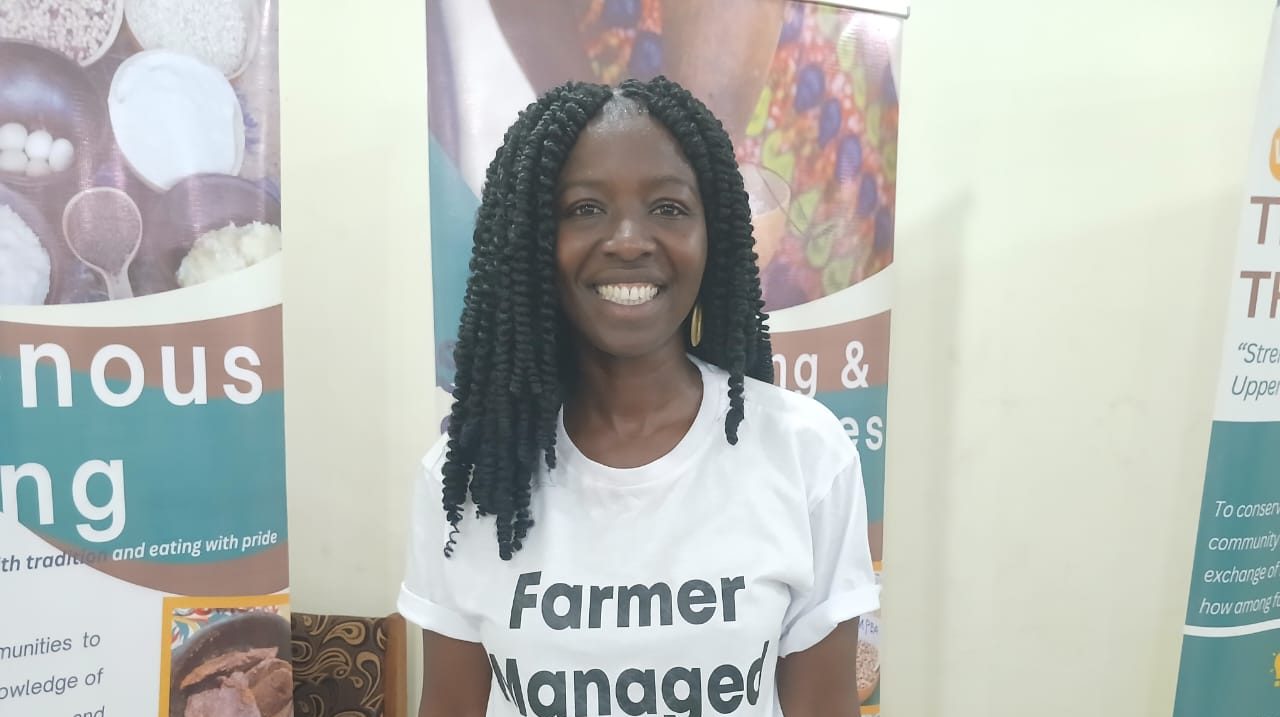
Offeh-Gyimah expressed the hope that Ghana would eventually rely largely on farmer-managed seed systems, noting that indigenous seeds have the potential to sustainably feed the nation.
“We want to see Ghana become fully driven by farmer-managed seed systems because we know indigenous seeds can feed the nation. This requires strong policy support for farmers and the promotion of agroecological agricultural policies,” she said.
For his part, the Programme Director in charge of Livelihood and Agriculture at NABOCADO, Dominic Avea Aniah, cautioned against the excessive use of agrochemicals associated with foreign seed systems, indicating that such practices negatively affect the environment and pose health risks to consumers.
He warned that continued dependence on foreign seed systems could eventually deprive farmers of control over what they cultivate and consume.
“The continuous use of these seeds could lead to farmers losing their indigenous seeds and becoming dependent on foreign producers. When that happens, farmers lose the freedom to decide what they want to produce or eat,” he explained.
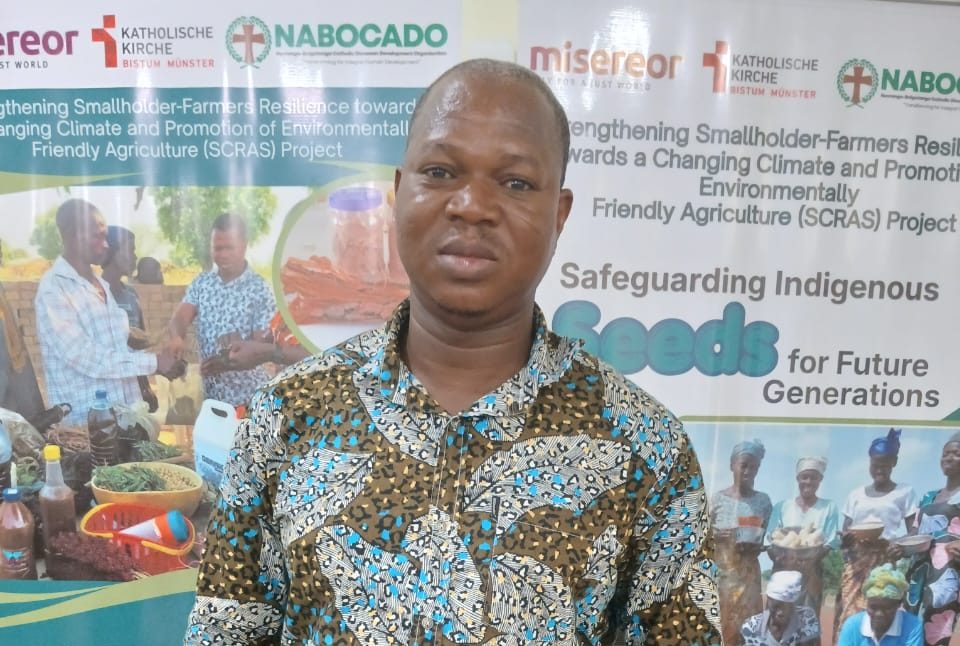
Aniah further appealed to the media to use their platforms to advocate for the preservation of indigenous seed systems to guarantee food sovereignty and sustainable agriculture in Ghana.
The engagement featured presentations by directors of the three organisations, discussions with media practitioners on effective advocacy strategies, and visits to two indigenous farms and a seed bank in the Nabdam District.
Mike 105.3FM I Navrongo| David Adapuna