Social media is like fire; responsible use matters – Youth Activists
Youth activists Norbert Alinyia and Edward Awekoba urge responsible social media use, warning against misinformation, cyberbullying and online security risks while calling for stronger digital literacy education.
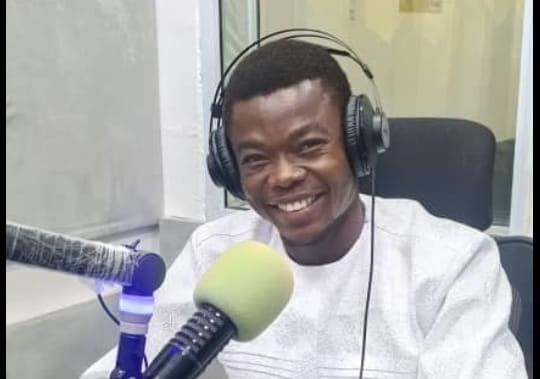
A teacher and youth activist, Norbert Alinyia has cautioned the public against the misuse of social media, describing it as a tool that can either promote development or cause harm depending on how it is used.
Speaking on Voices of Change on Saturday October 24, Alinyia said social media was intended to connect people, facilitate communication and promote positive engagement, but its negative effects were increasingly overshadowing its benefits due to irresponsible use.
“Social media is like fire. It can be useful when handled wisely, but dangerous when misused. Just as fire can cook food or destroy a house, social media can educate, connect and inspire people, but it can also spread misinformation, promote cyberbullying, damage relationships and encourage harmful activities, including terrorism,” he said.
He explained that social media platforms were designed to bridge geographical distances between family members, friends and communities.
However, he noted that excessive use was weakening face-to-face relationships, affecting students’ academic lives and encouraging unhealthy screen habits.
Alinyia attributed irresponsible online behaviour partly to the desire for attention, instant gratification and a lack of self-discipline.
He also identified gaps in policy enforcement, declining societal values and inadequate guidance from families and traditional leaders as contributing factors.
He urged individuals to cultivate strong moral values and develop meaningful relationships with themselves and others before seeking validation through online interactions.
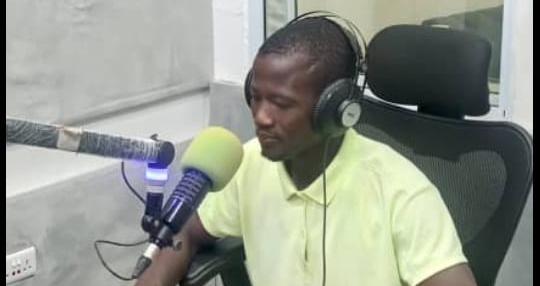
Also speaking on the programme, another teacher, Edward Awekoba, cautioned users against sharing excessive personal information on social media, stressing the need for wisdom, boundaries and responsibility in their online activities.
“Social media is not a platform to expose every detail of our lives without restraint; it requires wisdom, boundaries and responsibility to protect our privacy, dignity and personal values,” he said.
Awekoba warned that routinely sharing personal movements, family details, workplace information and daily activities could expose individuals and their loved ones to security threats.
According to him, such information could be exploited by criminals and other ill-intentioned individuals for stalking, theft, impersonation, blackmail and other harmful activities.
He stressed that protecting personal information online was not merely a matter of privacy but also an important security measure.
The two speakers called on traditional leaders, policymakers, politicians and educational institutions to collaborate in promoting digital literacy and encouraging responsible social media use.
They urged stakeholders to strengthen relevant policies and intensify public education to ensure that social media serves as a tool for learning, development and positive change rather than a source of distraction, division and insecurity.
They further emphasised the need to promote self-discipline, media awareness and responsible online behaviour, particularly among children and young people.
Mike 105.3 FM I Navrongo | Cynthia Afaah