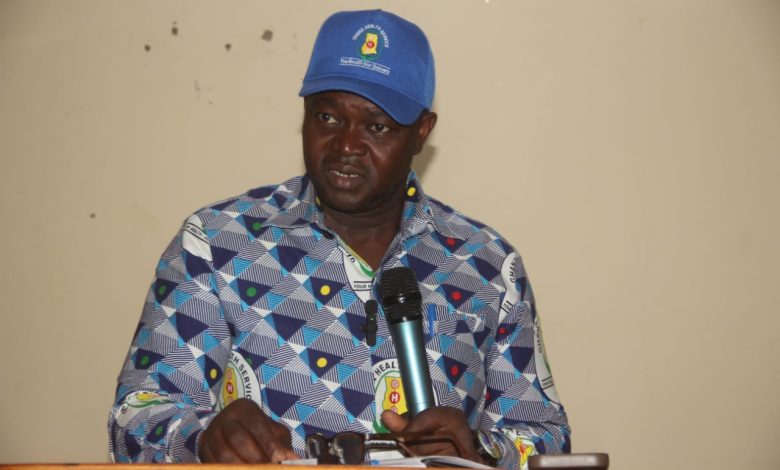
The Director-General of the Ghana Health Service (GHS), Prof. Samuel Kaba Akoriyea, has paid a working visit to the Upper East Region as part of efforts to intensify preparations against seasonal meningitis outbreaks.
The visit forms part of a broader strategy to proactively curb the devastating impact of meningitis, which continues to claim lives in northern Ghana during the dry season.
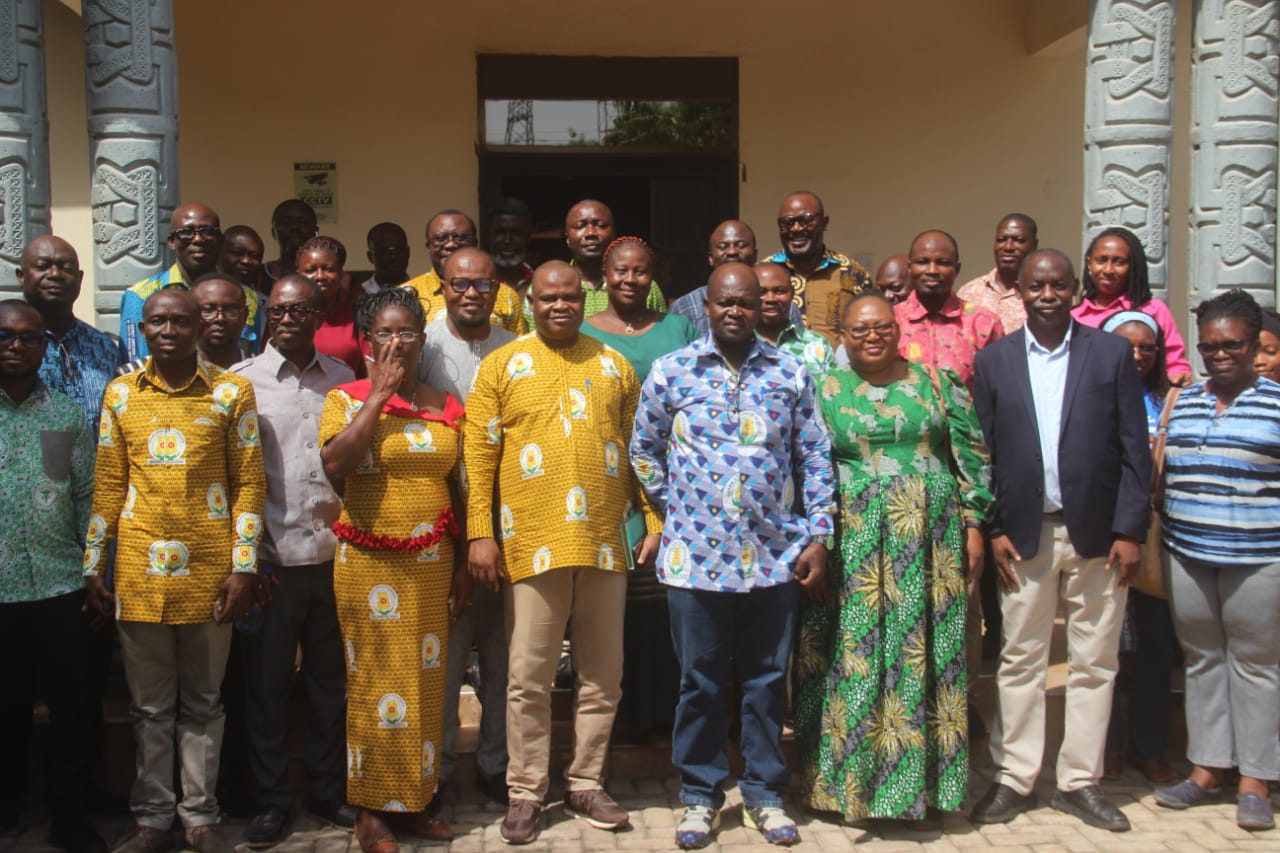
Engaging officials of the Navrongo Health Research Centre and other key health stakeholders on Friday, February 13, Prof. Akoriyea underscored the urgency of addressing the recurring public health threat.
He revealed that his commitment to the fight against meningitis is also personal.
“The main reason for our visit has to do with meningitis. I lost a childhood friend to the disease 54 years ago. If today we are still suffering the same fate and cannot solve it, then there is a major problem,” he said.
Prof. Akoriyea stressed that decades of recurring outbreaks without lasting solutions must come to an end. He called for more proactive, research-driven interventions to better understand and manage the disease.
Having earlier visited Kintampo before arriving in Navrongo, the Director-General formally tasked health research institutions, particularly the Navrongo Health Research Centre, to intensify investigations into the root causes of the seasonal outbreaks.
“After visiting Kintampo and now being here, I am officially charging the Health Research Centres, especially Navrongo, to come out and tell us exactly why this seasonal condition persists and why our people continue to die,” he stated.
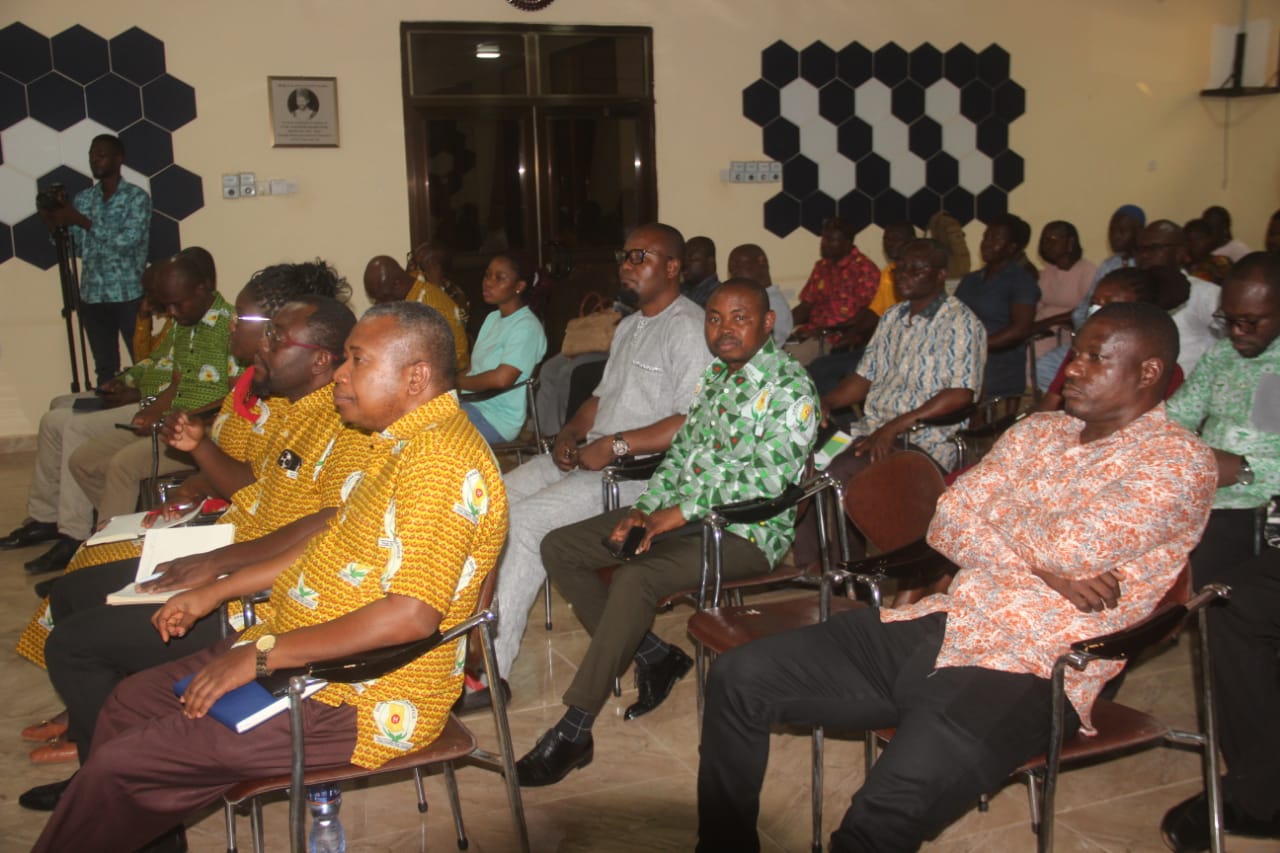
While acknowledging that completely eliminating meningitis may not be immediately feasible, Prof. Akoriyea emphasized that preventing deaths must remain the primary goal.
“We may not be able to stop meningitis as a disease, but we should be able to stop the deaths,” he said, noting that fatalities have already been recorded this year in the Northern, Savannah and Upper West Regions.
He described every life lost during meningitis outbreaks as a profound tragedy, particularly when children are affected.
“It is the same time every year, the same temperature, the same months, the same people. For over 100 years, we have watched this happen. Not this time. It is enough. Among all the national and international research priorities, meningitis must be one of them,” he urged.
The Upper East Region lies within Africa’s meningitis belt, where dry, dusty conditions during the harmattan season contribute to recurring outbreaks, making sustained research, vaccination campaigns and public health education critical components of prevention efforts.
Mike 105.3FM | Navrongo | David Adapuna