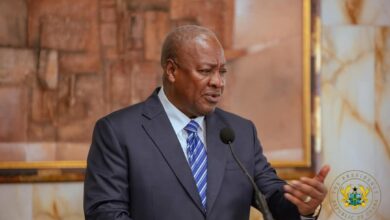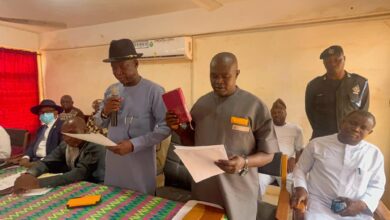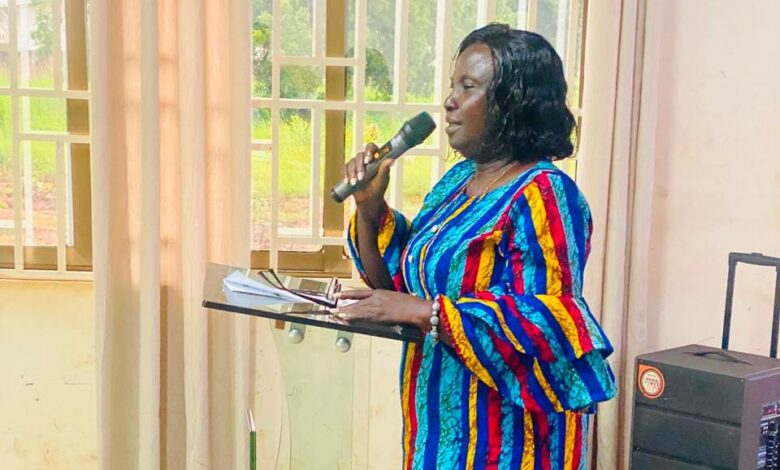
The District Chief Executive (DCE) for Builsa South, Anne Musah, has cautioned residents against complacency in the fight against HIV and AIDS, declaring at the inauguration of the district’s AIDS Committee that “a low number is not a safe number” and charging every sector of the district to treat the epidemic as an active, ongoing emergency rather than a distant threat.
Speaking at the ceremony held in Fumbisi, the DCE told an audience of Assembly members, traditional authorities, civil society representatives and heads of decentralised departments that the newly sworn-in Committee would not be allowed to become another symbolic body.
“This is not a ceremony of good intentions,” she said. “It is the start of an accountable, results-driven structure, and I will be asking for evidence of action, not just attendance at meetings.”
The DCE set a firm 30-day deadline for the newly inaugurated Committee to produce a costed District HIV Action Plan covering testing targets, faster linkage from diagnosis to treatment, community stigma-reduction campaigns, youth-focused prevention programmes, and quarterly public reporting to the District
In a notable section of her address, the DCE turned attention to the Fumbisi market, one of the district’s key economic assets, which draws traders and buyers from across the Upper East Region and beyond. While praising the market’s contribution to local livelihoods, she cautioned that the large, transient crowds, cash trade, and informal overnight lodging associated with market days create conditions in which HIV can spread more easily.
She called for a coordinated response involving market authorities, the Ghana Health Service, Social Welfare, and local radio stations to bring testing, condom distribution, and targeted health messaging directly to market days, without stigmatising traders.
The DCE also drew a direct line between the rise in drug abuse among young people and the spread of HIV in the district, citing a 2025 University of Ghana study estimating over 82,000 drug users nationwide, and noting that HIV prevalence among drug users has been found to run several times higher than the national average.
She said substance abuse fuels risky sexual behaviour, transactional sex, and poor adherence to HIV treatment, and instructed the Committee to work with police, the Narcotics Control Commission, and schools to tackle both crises together.
The DCE also challenged Committee members directly, warning that appointment to the body was “not an honorary title to decorate a résumé.” She demanded full attendance at meetings, honest reporting from every sector, active community advocacy, protection of confidentiality for people living with HIV, and mutual accountability among members.
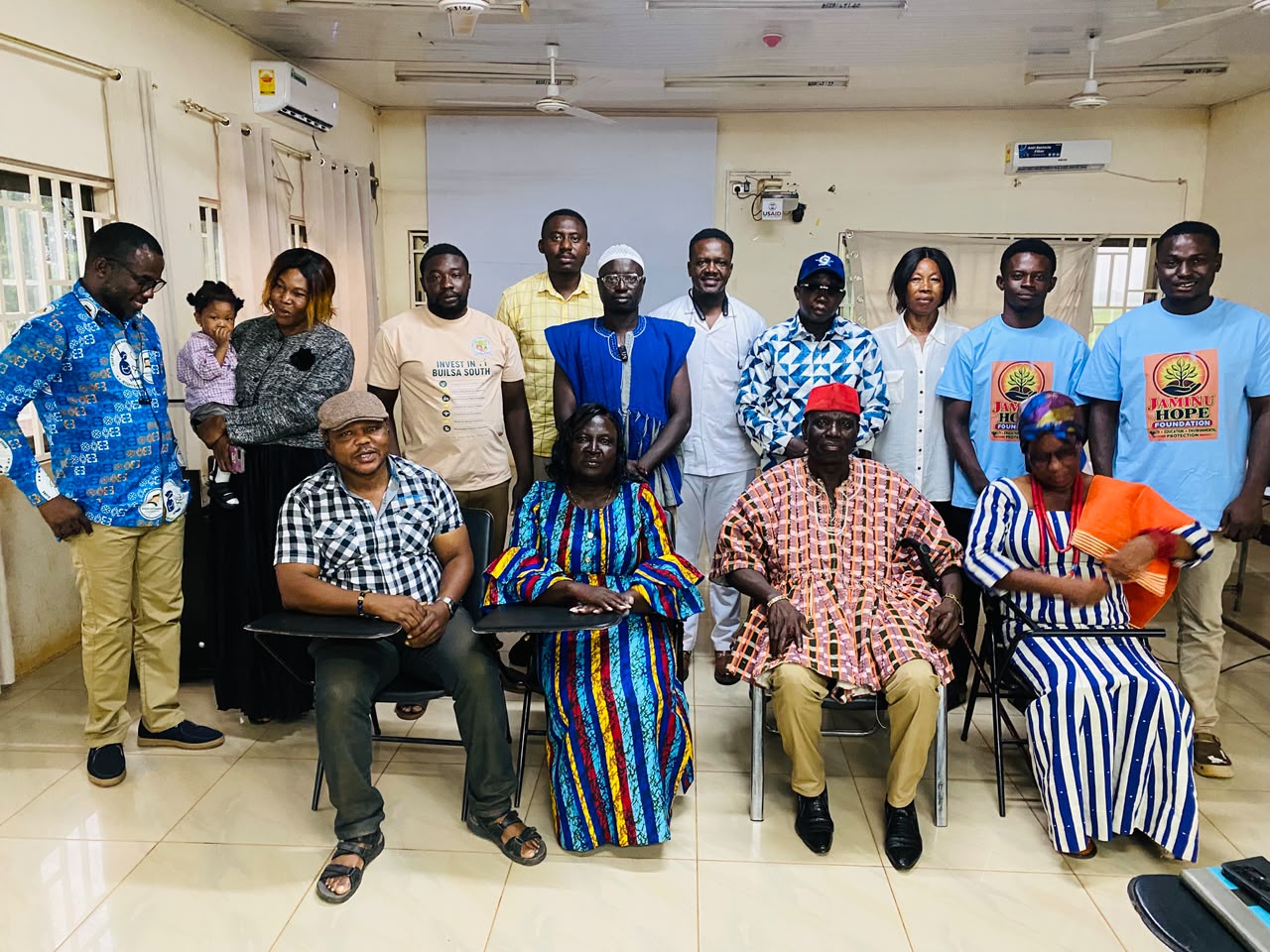
She pledged that the District Assembly would back the Committee with logistical support and budget integration, and committed to personally chairing or attending its quarterly review sessions.
The ceremony took a sober turn when officials from the Builsa South District Health Directorate took the floor to present the district’s current HIV data, disclosing that the number of known, traceable cases in the district now stands as high as 197.
Reacting to the presentation, the DCE asked the Committee and the gathering on a harder question. “If 197 is the number we can account for,” she said, “then the real question that should keep this Committee awake at night is how many more are out there who have never been tested, who do not know their status, and who are unknowingly spreading this virus in our communities as we speak?.”
She warned that a documented figure is often only a fraction of the true picture, and cautioned the Committee against designing its response around known cases alone while a far larger, untraced population remains unaccounted for. “We cannot celebrate a number we can count while ignoring the number we cannot,” she said, directing the Committee to treat the search for undiagnosed cases — through expanded testing, mobile outreach, and community tracing — as the most urgent item on its agenda.
“Let Builsa South be known in the Upper East Region not for the size of our HIV numbers,” she added, “but for the seriousness of our response.”
The DCE formally declared the Builsa South District AIDS Committee inaugurated and urged members to begin work immediately.
Mike 105.3 FM | Navrongo | SAEED Jafar M.