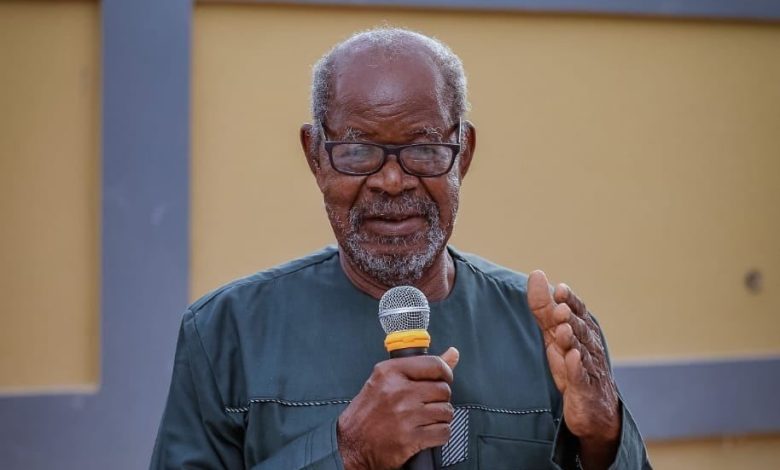
A retired educationist, Robert Ajene, has called for a comprehensive overhaul of Ghana’s tertiary education system, arguing that many university programmes are failing to equip graduates with the practical skills required by the job market.
Speaking on the Big Mike Breakfast Show on Mike FM on Monday, July 6, Ajene weighed in on the ongoing national debate sparked by comments from a former Minister of Education, who described some university degree programmes as “useless.”
Drawing on his 36 years of experience in the education sector, culminating in his retirement as a Director of Education, Ajene said Ghana’s universities are producing graduates who are ill-prepared for employment because their training is largely disconnected from the country’s development priorities and labour market needs.
“We train unemployable graduates. I will repeat that. All the tertiary institutions are producing unemployable graduates, and I can defend that statement,” he said.
According to him, universities continue to admit thousands of students each academic year without adequately aligning their programmes with available employment opportunities or the skills demanded by industry.
He questioned the rationale behind training graduates who eventually struggle to secure jobs, stressing that higher education should place greater emphasis on practical competence, innovation and entrepreneurship.
Ajene acknowledged that professional programmes such as medicine and engineering remain closely aligned with labour market demands.
However, he argued that many other academic programmes leave graduates inadequately prepared for productive employment, often requiring additional apprenticeship or workplace training before they become effective in their roles.
“The universities should gear their curriculum to the work outside. They should train students for the particular jobs government and industry need,” he stated.
The retired educationist also criticised successive governments for failing to address the persistent mismatch between education and employment, despite widespread recognition of the challenge.
He maintained that education should be deliberately designed to support national development rather than simply producing graduates with academic qualifications.
“Education is a tool for national development, but in this country education is not a tool for national development because we have politicised our educational system,” he said.
Ajene further called on government to increase investment in technical and vocational education, improve infrastructure in senior high schools, provide adequate teaching and learning materials, and prioritise teacher welfare as part of efforts to build a skilled workforce capable of driving economic growth.
He also advised parents to consider the employability prospects of academic programmes when selecting universities for their children and urged tertiary institutions to redesign their curricula to reflect the evolving needs of the labour market, thereby enhancing graduates’ employment prospects.
Mike 105.3FM I Navrongo | Elizabeth Apusaama