Stakeholders review PEARL framework to drive Upper East development
Stakeholders in the Upper East Region review the 10-year PEARL framework, seeking stronger collaboration, investment and accountability to drive regional development.
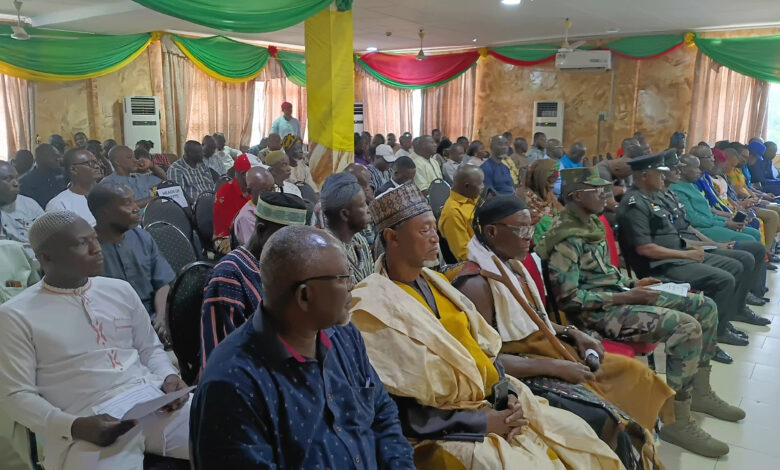
Stakeholders in the Upper East Region have reviewed the PEARL development framework, a 10-year blueprint aimed at accelerating development and investment across the region.
The review meeting, held on Tuesday, September 1, in Bolgatanga, brought together regional authorities, MPs, MMDCEs, traditional and religious leaders, political parties, private sector representatives and other stakeholders.
PEARL, which stands for Prosperity through Enterprise, Agriculture, Resilience and Livelihoods, has an estimated investment ambition of about US$8.6 billion and covers all 15 municipalities and districts in the region.
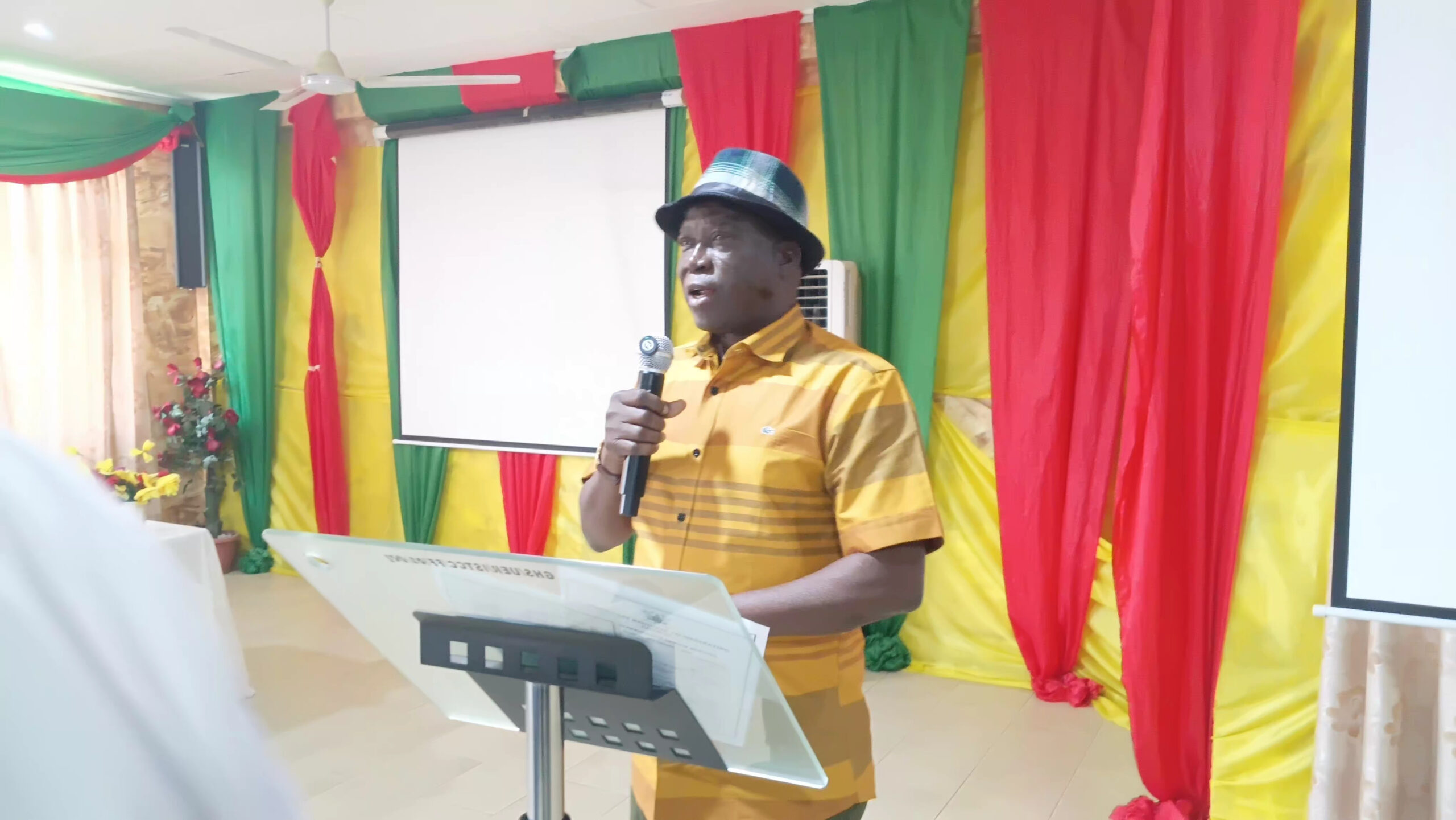
Upper East Regional Minister Donatus Akamugri Atanga said the framework must move beyond being a document to become an implementable and accountable development programme that creates jobs, strengthens businesses, improves agriculture and transforms livelihoods.
He stressed the need for institutional continuity to ensure development programmes under PEARL survive changes in political and administrative leadership.
Regional Coordinating Director Bless Kwame Darkey said the framework provides an opportunity for stakeholders to unite around a common development vision and make the Upper East Region a preferred destination for investment and residence.
The review meeting also focused on strengthening PEARL’s implementation, financing, institutional arrangements and stakeholder ownership.
Members of Parliament in the region, represented by the Nabdam MP, Mark Kurt Nawaane, pledged their support for the implementation of the framework and urged stakeholders to ensure that district assemblies are fully involved.
The meeting adopted the slogan “PEARL”, with the response “Our Own”, highlighting the call for collective ownership of the region’s development agenda.
Mike 105.3 FM | Navrongo | Samuel Atule Abiiro