Rise-Ghana raises concerns over proposed educational requirement for MMDCE elections
Stakeholders warn proposed tertiary qualification for MMDCE aspirants could limit opportunities for women and youth in local governance.
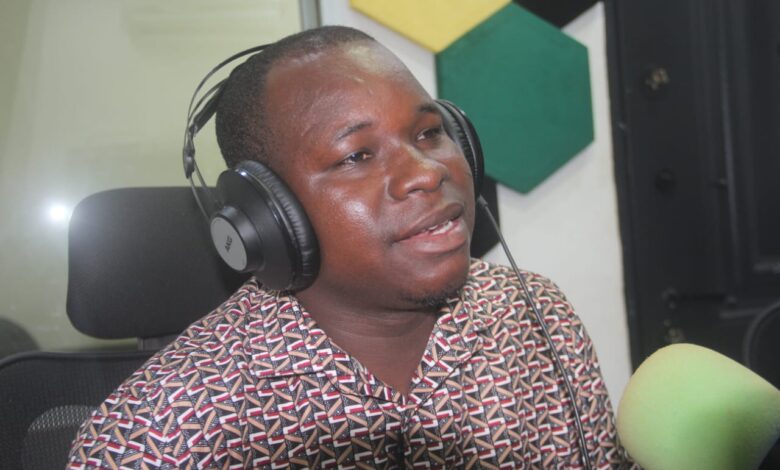
The Monitoring and Evaluation Officer of the HEAD Project under Rise-Ghana, John Kaguna, has expressed concerns over proposals by the Constitutional Review Committee that requires candidates seeking election as Metropolitan, Municipal and District Chief Executives (MMDCEs) to possess tertiary education qualifications and relevant technical experience.
Speaking on the Big Mike Breakfast Show on Friday, June 12, Kaguna said although the proposal to elect MMDCEs on a non-partisan basis could strengthen local governance and accountability, the educational requirement could inadvertently exclude many women and young people from participating in local governance.
According to him, the proposed qualification risks undermining efforts to promote inclusivity, particularly among women who continue to face educational inequalities in many parts of the country.
He argued that imposing tertiary education as a mandatory requirement would place women and young people at a disadvantage, contrary to the objectives of Ghana’s Affirmative Action agenda.
“A lot more men have tertiary education qualifications than women. Indirectly, we are disadvantaging women and, for that matter, young people. I find that aspect of their recommendations problematic,” Kaguna stated.
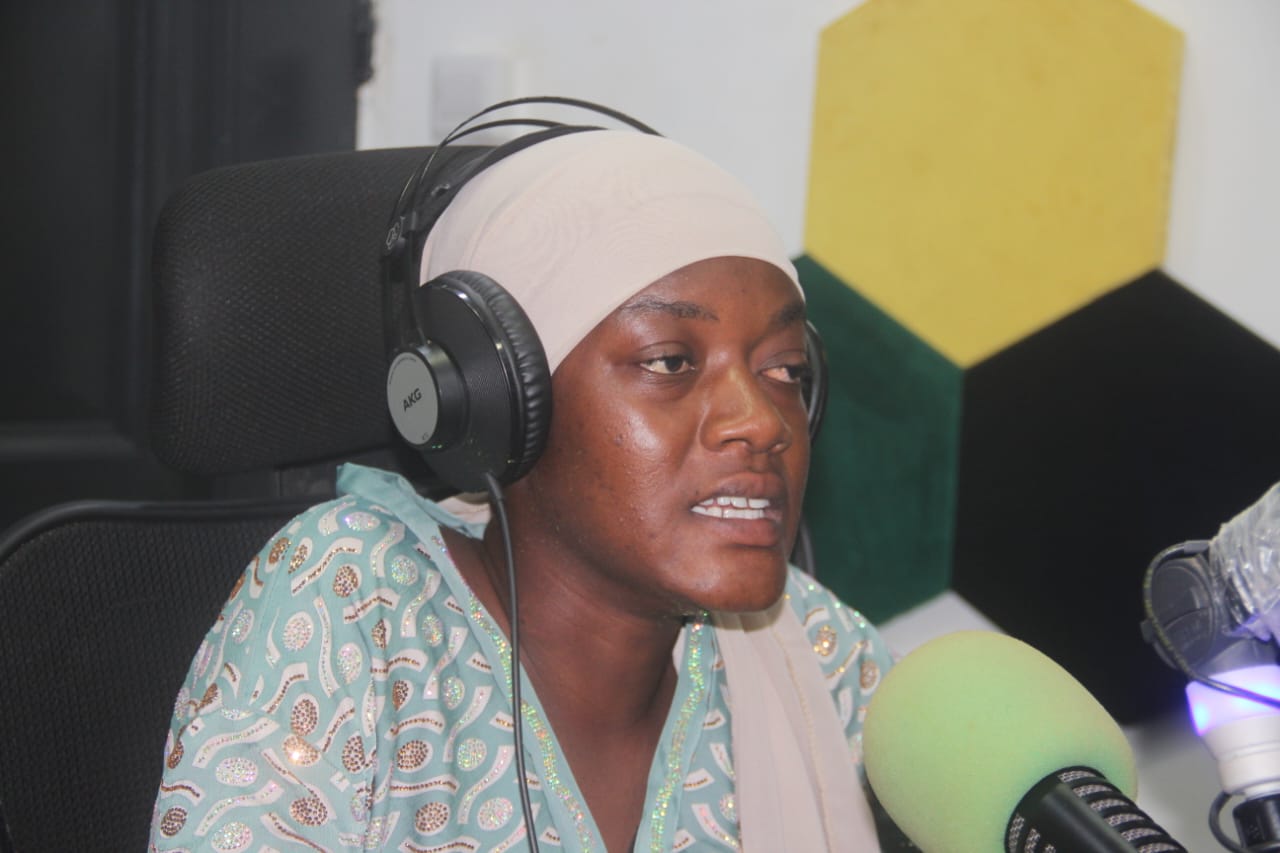
Also contributing to the discussion, youth advocate Atipaga Hindu Ali acknowledged the importance of education in leadership but agreed that making tertiary education a prerequisite for contesting MMDCE elections could create barriers for many capable individuals.
“It is a barrier because not everybody has that qualification,” she noted, while stressing that education remains important in equipping leaders with the knowledge and skills needed to effectively discharge their responsibilities.
The Public Relations Officer of the Paga Youth Movement, Desmond Abire, argued that the proposed reforms alone would not be sufficient to guarantee the meaningful participation of women and young people in governance.
He observed that while Ghana has signed onto several international frameworks promoting inclusive governance, implementation remains a major challenge.
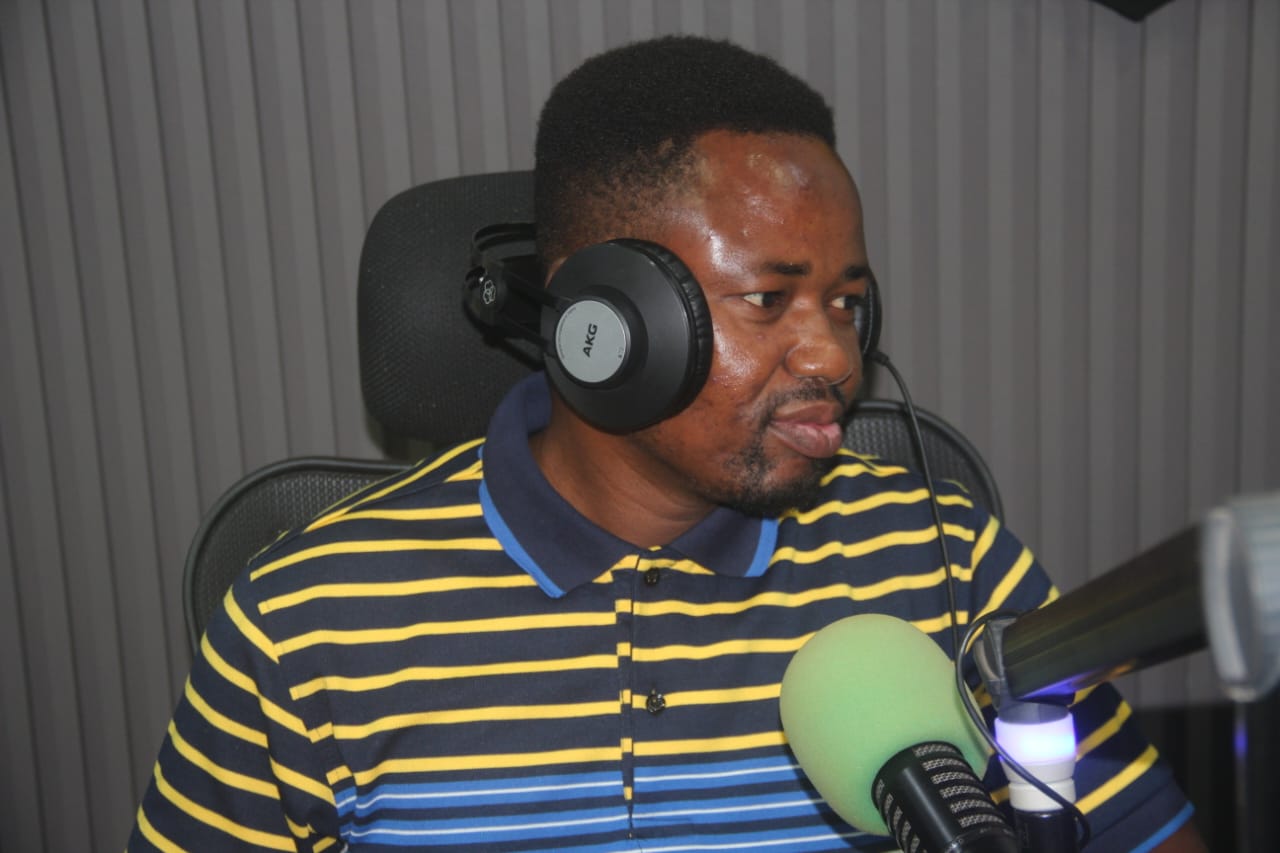
Abire therefore called on Parliament to explore the establishment of dedicated funding mechanisms to support young men and women seeking to enter governance and politics.
“Passing the recommendations is not enough. Parliament should consider instituting a dedicated source of funding for young men and women who want to participate in governance,” he said.
The discussion formed part of activities under the HEAD Project, an initiative being implemented by Rise-Ghana to enhance the participation and inclusion of marginalized women and youth in governance processes.
In his closing remarks, Kaguna urged Parliament to ensure that deliberations on the proposed constitutional reforms are guided by the provisions and spirit of Ghana’s 2024 Affirmative Action Law.
“In as much as they debate these recommendations, they should be fully guided by the 2024 Affirmative Action Law, which they themselves debated and passed,” he said.
Mike 105.3FM I Navrongo | Elizabeth Apusaama