PAYOM urges government to absorb recruitment application fees for public sector jobs
PAYOM says removing recruitment application fees will improve access to public sector jobs and reduce the financial burden on unemployed youth.

The Paga Youth Movement (PAYOM) has appealed to the government to absorb application fees charged for recruitment into public institutions, arguing that the move would ease the financial burden on unemployed young people seeking jobs.
The appeal was made during a grand durbar of chiefs and people of the Upper East Region held to commemorate this year’s Emancipation Day at the Pikworo Slave Camp in Paga on Tuesday, July 21.
Addressing participants, PAYOM Chairman, Wenawome Duriyem Aborah, said although Africans were no longer bound by physical chains, many young people continued to be trapped by what he described as “invisible chains” of unemployment, poverty and exploitation.
“Today, the chains may no longer be made of iron, but many young Africans continue to wear invisible chains. Modern-day slavery does not always begin with physical captivity; sometimes it begins with hopelessness, sometimes with unemployment, and sometimes with systems that exploit the dreams of young people,” he said.
Aborah lamented the financial and emotional strain on graduates who pay application fees for highly competitive public sector recruitment exercises with only a limited number of vacancies.
He called on the government to incorporate the cost of recruitment applications into the budgets of public institutions.
“I would also like to propose that the Government bears the cost of application fees for recruitment into public institutions. Since funds are already allocated to these institutions, provision should be made within those budgets to cover the application process,” he stated.
He further urged government and public institutions to review recruitment procedures to ensure transparency, fairness and equal access.
According to him, where application fees remain necessary, authorities should explore measures such as refunding unsuccessful applicants or limiting recruitment exercises to realistic vacancy numbers.
“Public sector employment should remain accessible and based on merit, competence and integrity, not influenced by wealth, political affiliation or any unofficial payments,” he said.
Aborah also described irregular migration and human trafficking as another painful manifestation of modern-day slavery.
He noted that many young Ghanaians no longer believed their future existed at home, prompting thousands to undertake dangerous journeys across deserts and seas in search of opportunities abroad.
According to him, many become victims of human trafficking after being deceived by fraudulent recruitment agents with promises of lucrative jobs overseas.
Upon arrival, he said, many have their passports confiscated, their movements restricted and are forced to work under harsh conditions with little or no pay, while others endure physical and emotional abuse or lose their lives.
“As we gather at a former slave camp, we cannot remain silent while another generation is being trapped by exploitation, deception and economic desperation,” he said.
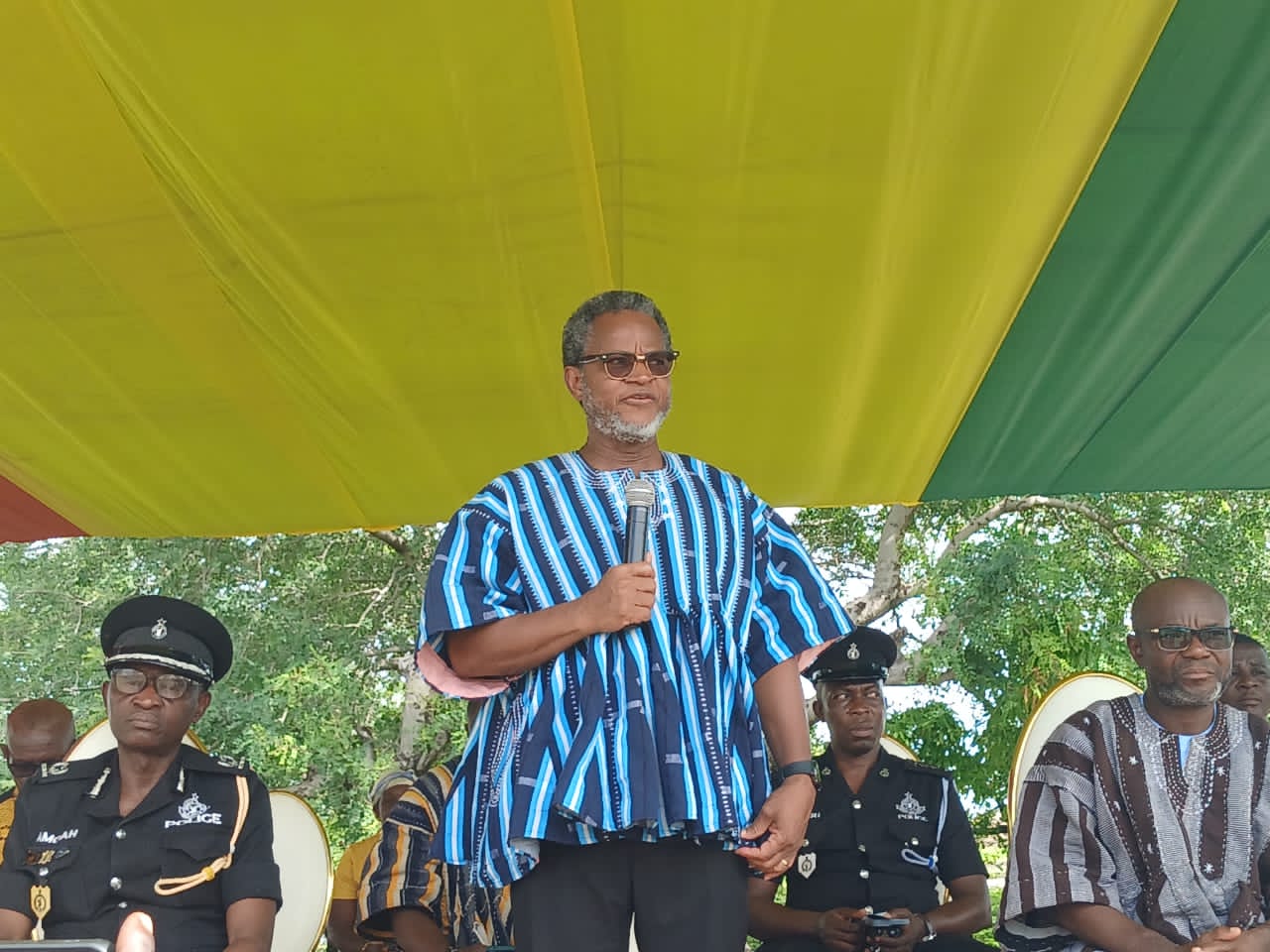
Chairman of the occasion and Ghana’s Ambassador to Burkina Faso, His Excellency Kenneth Akibate, said the Emancipation Day celebration should serve not only as a reminder of the painful history of the transatlantic slave trade but also as a catalyst for national development.
He commended the Government of Ghana, led by President John Dramani Mahama, for initiating efforts at the international level to secure recognition of the transatlantic slave trade as one of humanity’s gravest crimes.
Ambassador Akibate urged Ghanaians to move beyond remembrance and intentionally harness their heritage to promote economic growth, employment creation and peaceful coexistence.
“We need to begin to think that our heritage, roots and identity matter, and we have to promote and showcase them in ways that create opportunities for human development, economic growth and peaceful coexistence,” he said.
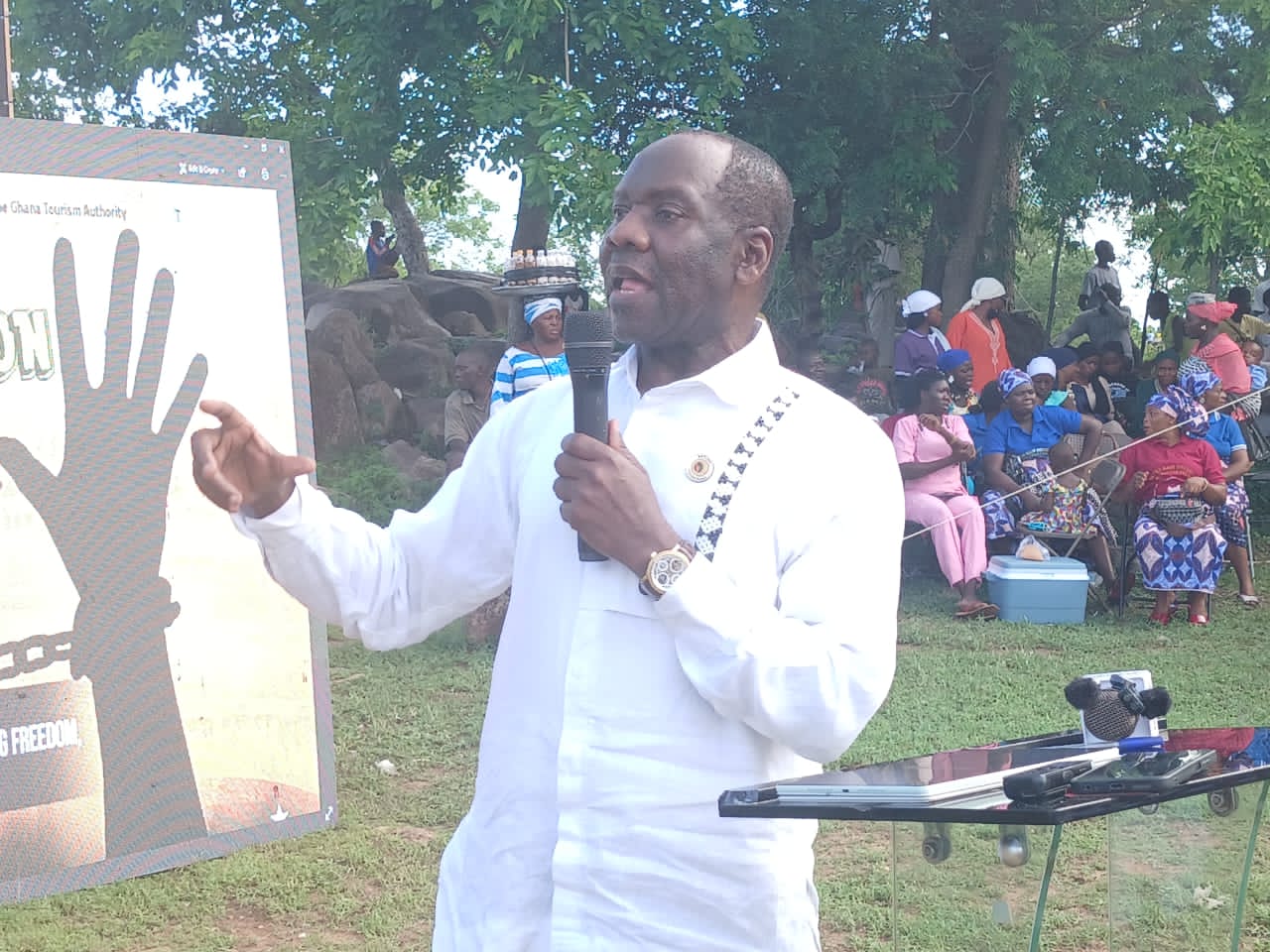
Also addressing the gathering, Chairman of the African Tourism Board (ATB), Cuthbert Ncube, praised the organisers for using the Emancipation Day celebration to promote African unity, peace and economic liberation.
He said the event, held under the theme “reconnecting roots, celebrating freedom, experience Ghana,” reflected Africa’s shared history and collective destiny.
“This memorial serves as a glorious realization of our shared destiny. It reminds us that our artificial borders are temporary, but our bloodline is permanent,” he stated.
Ncube said promoting intra-African travel would strengthen economic and cultural solidarity across the continent.
He also strongly condemned xenophobic attacks in South Africa and elsewhere in Africa, describing them as a betrayal of the Pan-African ideals that united the continent during the struggle against colonialism and apartheid.
“Xenophobia is a direct assault on the African Union’s Agenda 2063, and we will not remain silent while political cowardice turns brother against brother,” he said.
He urged African youth to embrace discipline, unity and responsible leadership, encouraging them to reject division and instead become builders of a borderless, prosperous and united Africa.
Mike 105.3FM I Navrongo | David Adapuna