ICOUR targets 500 hectares to revive Navrongo’s tomato golden days
ICOUR plans 500-hectare tomato initiative to restore Navrongo's position as a major production hub

The Irrigation Company of the Upper Region Limited (ICOUR) is intensifying efforts to revive tomato production in the Upper East Region, with plans to cultivate more than 500 hectares under a new market-driven initiative.
The initiative is aimed at restoring Navrongo’s status as a major tomato-producing hub while creating employment opportunities for farmers and the youth.
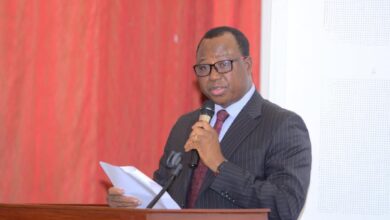
Speaking on the Big Mike Breakfast Show on Monday, August 10, the Managing Director of ICOUR, Dr. Dominic Anarigide, said the initiative had become necessary following years of decline in tomato production in the area.
He attributed the decline to diseases, poor marketing and financial losses suffered by farmers who invested heavily in production but struggled to secure ready markets for their produce.
According to him, some farmers have consequently switched from tomato production to rice farming, while others have abandoned farming altogether after accumulating debts.
“Navrongo was the hub of tomato production some few years ago, but for some time now, that has collapsed,” he said.
Dr. Anarigide explained that the renewed initiative followed engagements with farmers and a directive from the Minister of Food and Agriculture to make about 500 hectares of land available to help bridge Ghana’s tomato production deficit.
He said Ghana consumes approximately 800,000 tonnes of tomatoes annually but produces only about 500,000 tonnes, resulting in a deficit of roughly 300,000 tonnes.
He noted that the gap presents a significant opportunity for local farmers to increase production, meet domestic demand and reduce the country’s reliance on imported tomatoes.
Dr. Anarigide stressed that ICOUR would adopt a different approach from previous tomato production initiatives by ensuring that farmers have identified buyers before commencing production.
“We are adopting a two-pronged approach. One is that we produce to sell,” he explained.
The ICOUR Managing Director said the company had identified potential partners, including Maphilix and FarmMate, to participate in the programme by providing inputs to selected farmers and guaranteeing the purchase of their produce.
He said FarmMate was expected to begin registering interested farmers and gathering information on farm sizes, seed requirements, fertiliser needs and other inputs necessary for production.
Dr. Anarigide explained that the arrangement was intended to protect farmers from the financial risks associated with producing a highly perishable commodity without a ready market.
“The buyers will help you with some of the inputs. So, if he doesn’t come to take it, his input is also lost,” he stated.
He added that ICOUR was also engaging other potential investors, including local and foreign companies, to establish tomato production within the irrigation scheme.
He said soil testing and technical support would also be provided to ensure that farmers adhere to the required production standards and improve yields.
Dr. Anarigide urged farmers interested in the initiative to take part in the registration and training processes and adhere to the recommended production protocols.
He said the success of the initiative would require the collective support of farmers, government, the private sector and other stakeholders.
According to him, reviving tomato production would not only strengthen ICOUR’s operations but also create jobs, improve farmers’ incomes and contribute significantly to the economic development of the Upper East Region.
Mike 105.3FM I Navrongo | Elizabeth Apusaama