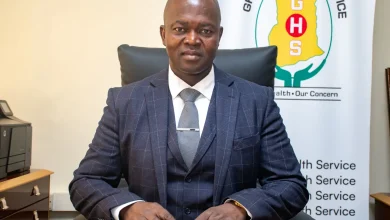
GHS targets 164,525 residents for river blindness treatment in Upper East Region
The Ghana Health Service will administer ivermectin to 164,525 residents across four Upper East districts from November 15 to 28, as the Regional Health Director calls for increased funding, improved NHIS tariffs and more health personnel.
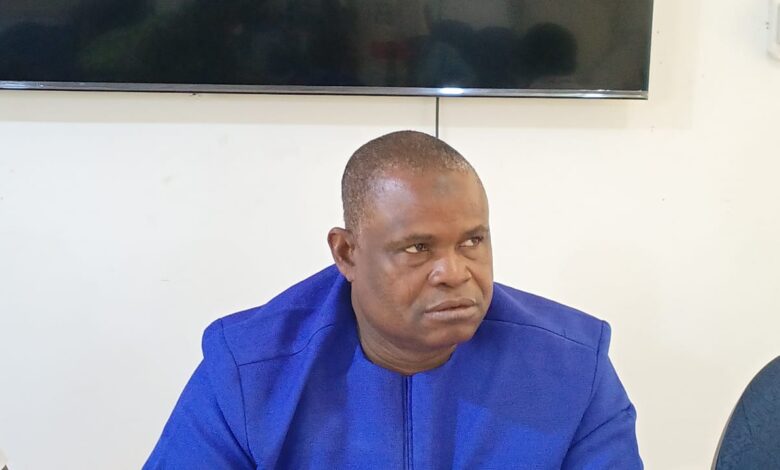
The Ghana Health Service (GHS) is targeting 164,525 residents in four districts of the Upper East Region for treatment against river blindness as part of a mass drug administration campaign scheduled for November 15 to 28, 2026.
The campaign will cover Bawku West, Builsa South, Kassena-Nankana West and Tempane districts, where trained health workers and community drug distributors will administer ivermectin tablets through house-to-house visits.
This was disclosed at a Media engagement held at the Upper East Regional Health Directorate in Bolgatanga on Thursday,
November 12.
Addressing the media, the Upper East Regional Director of Health Services, Dr Braimah Baba Abubakari urged residents in the targeted5 communities to cooperate with health workers and take the medication if they meet the eligibility requirements.
River blindness, also known as onchocerciasis, is transmitted through repeated bites from infected blackflies that breed near fast-flowing rivers and streams. The disease can cause severe itching, skin damage and, in advanced cases, permanent blindness.
However, pregnant women, children below 90 centimetres in height and persons who are seriously ill are among those excluded from the treatment.
The GHS has called on traditional authorities, religious leaders and the media to support public education efforts and encourage eligible residents to participate in the campaign.
Meanwhile, Dr Abubakari identified adequate funding, improved National Health Insurance Scheme (NHIS)5 tariffs and resources for health worker recruitment as critical requirements for strengthening healthcare delivery in the region.
He emphasised the need for sufficient budgetary allocation to support the implementation of the Free Primary Healthcare programme, which is expected to expand access to essential health services and reduce the financial burden on patients.
He also highlighted the importance of reviewing NHIS tariffs to ensure that healthcare facilities receive adequate reimbursement for services provided to insured patients and can sustain effective service delivery.
On staffing, he noted that expanding access to healthcare would require increased investment in the recruitment and deployment of health professionals to ensure that facilities have adequate personnel to meet the needs of their communities.
His concerns come amid expectations that the national budget will provide the necessary financial backing to translate government’s healthcare commitments into tangible improvements.
For the Upper East Region, he stressed that adequate funding would be essential to strengthen health facilities, improve service delivery and ensure the effective implementation of expanded healthcare programmes.
Mike 105.3 FM I Navrongo | Samuel Atule Abiiro