Disability is a state of mind, not just physical — Akubire Mark Atia
Atia explained that how individuals perceive themselves and how society treats persons with disabilities can either deepen restrictions or help overcome them.
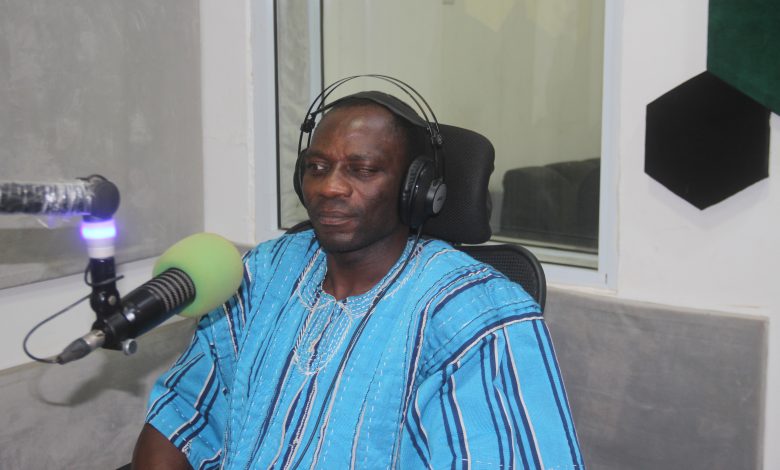
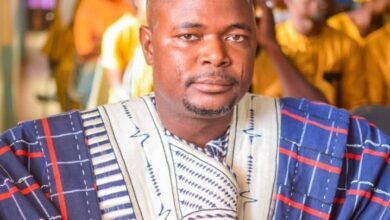
The Regional President of the Ghana Federation of Disability Organizations, Akubire Mark Atia Ismeal, has stated that disability should not be viewed solely as a physical condition, but also as a matter of mindset, stressing that societal attitudes often create more limitations than the condition itself.
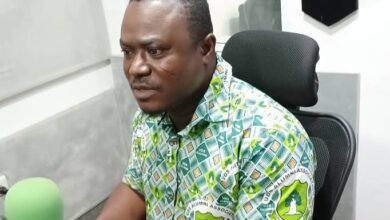
Speaking on Voices of Change on Mike FM on Saturday, March 14, Atia explained that how individuals perceive themselves and how society treats persons with disabilities can either deepen restrictions or help overcome them.
“Disability is as much a state of mind as it is a physical condition. The way people see themselves and treat others can create more limitations or lift those limitations.” He noted.
Atia, who lives with visual impairment, shared a deeply personal account of how he lost his sight. He recounted that the condition began unexpectedly one night during his childhood.
“I was lying outside with my elder brother during the hot season. Around midnight, when the weather got cold, he woke me up for us to go inside. When I got up, I told him I could not see. That is how my condition started, and all the help they sought for me yielded no results.” He narrated.
He admitted that the experience initially filled him with anger and denial, particularly toward the term “blind,” which he found offensive at the time.
“Initially, it was very difficult for me to accept that I was going to be blind for the rest of my life. I hated the word ‘blind.’ Anyone who used it around me, I would confront. I even broke things out of anger.” He said.
According to him, acceptance over time helped reshape his outlook and allowed him to embrace his reality.
Touching on his educational journey, Atia revealed that his enrolment in a school for the blind was met with resistance, as some people considered it a waste of resources. He also highlighted systemic challenges within the educational system, including the lack of Braille materials.
He explained that most learning materials were not available in Braille, forcing him to rely on others to read for him an arrangement that often posed difficulties. Transcribing Braille responses for teachers to assess also presented additional hurdles.
Atia further lamented that Braille materials are not manufactured locally in Ghana, making them expensive and difficult to access. He also cited public ignorance, particularly among drivers who fail to recognize the significance of the white cane used by visually impaired persons.
On societal attitudes, he decried persistent discrimination and stereotypes.
“People always think we are sick, weak, or beggars. Even when you are asking for directions, someone will tell you, ‘I don’t have coins.’ Were the coins made for beggars?” He questioned.
Atia noted that his role involves advocating for members, engaging government and duty bearers, and encouraging persons with disabilities to take responsibility for their lives rather than relying solely on alms. He also emphasized the need for proper utilization and accountability of the Disability Common Fund.
He identified unemployment, discrimination, inaccessible infrastructure, social and cultural barriers, and misuse of the common fund as key concerns among persons with disabilities.
Despite these challenges, Atia expressed optimism, noting that advocacy efforts are gradually improving access to formal education for persons with disabilities.
He concluded with an appeal to the public to show empathy and compassion.
“Disability can happen to anyone. Society must be more understanding and supportive of persons with disabilities.” He urged.
Mike 105.3FM | Navrongo | Cynthia Afaah