Poor waste disposal, inadequate toilets and unsafe water threaten public health in Katiu, Wurunia
Residents of Katiu and Wurunia appeal for safe drinking water, accessible toilet facilities and proper waste management to protect public health, preserve dignity and create sustainable livelihoods.
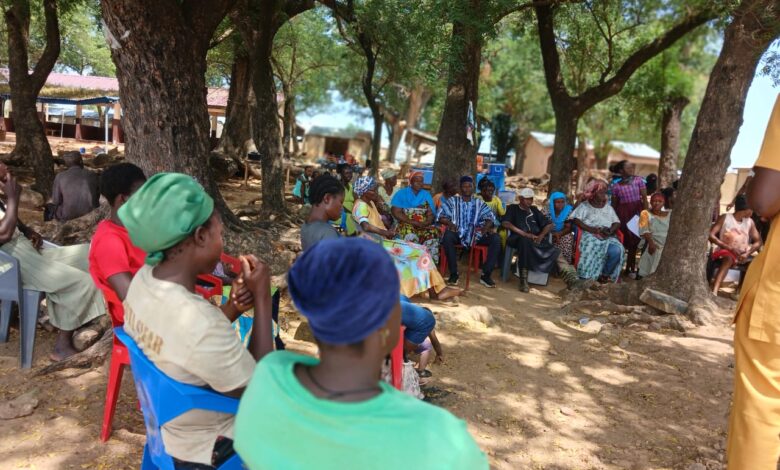
Residents of Katiu and Wurunia in the Kassena-Nankana West District are calling for improved access to safe drinking water, toilet facilities and proper waste management to address persistent sanitation challenges in the communities.
The residents say reliance on potentially contaminated open wells for drinking water, coupled with the lack of toilet facilities, exposes community members to health risks and undermines their dignity and well-being.
The concerns were raised during a community forum organised by the Belim Wusa Development Agency (BEWDA), in partnership with WaterAid Ghana, on Monday October 19.
The forum sought to empower community members to understand the impact of inadequate Water, Sanitation and Hygiene (WASH) services and equip them with the skills to advocate for improved services by presenting their concerns to relevant duty-bearers.
Community representatives, known as champions, highlighted the challenges confronting residents, particularly the lack of safe drinking water.
They explained that residents depend on open wells, which they said are vulnerable to contamination from windblown dirt, germs and other pollutants, potentially exposing users to waterborne diseases.
The Divisional Chief of the Atiasong area, Pe David Awudii, confirmed the situation, disclosing that he also relies on well water because the community lacks an alternative source of safe drinking water.
“As the chief, I drink well water because that is the only source of water for the communities. For now, I cannot afford to drill a borehole to provide clean and safe water,” he lamented.
The community champions also raised concerns about the absence of toilet facilities, which they said forces residents to resort to open defecation.
They noted that the Katiu Market, which attracts traders and other visitors, lacks toilet and urinal facilities, causing considerable inconvenience to people who patronise the market.
Another community champion from Katiu, Dora Bapiina, said open defecation exposes women to indignity and potential danger.
She warned that women who venture into secluded areas to relieve themselves risk snakebites and possible sexual assault by perpetrators.
The champions further highlighted challenges relating to menstrual hygiene, including inadequate access to menstrual products and water for washing and maintaining personal hygiene.
They also expressed concern about the improper disposal of used sanitary products, warning that it could contribute to environmental pollution, blocked drains and unhealthy living conditions.
Beyond sanitation and public health, residents said water scarcity was contributing to the migration of young people from the communities, with some reportedly leaving to engage in illegal small-scale mining, popularly known as galamsey, in search of livelihoods.
They appealed to the relevant authorities to provide reliable water infrastructure, arguing that improved access to water would enable more young people to remain in their communities and engage in irrigation farming and other productive activities.
According to the residents, access to water for agricultural purposes could create sustainable livelihood opportunities, reduce the pressure on young people to migrate in search of income and support local development.
They are therefore calling for urgent interventions to provide safe drinking water, adequate and accessible toilet facilities, improved waste management and essential menstrual hygiene resources.
The residents believe addressing these challenges would protect public health, promote dignity, create livelihood opportunities and improve living conditions in Katiu and Wurunia.
Mike 105.3 FM I Navrongo | Cynthia Afaah