PAYOM calls for a modern Museum at Pikworo Slave Camp to boost tourism and preserve heritage
Youth group says a modern museum, regional airport and inland port will preserve history, boost tourism and drive economic growth in northern Ghana.
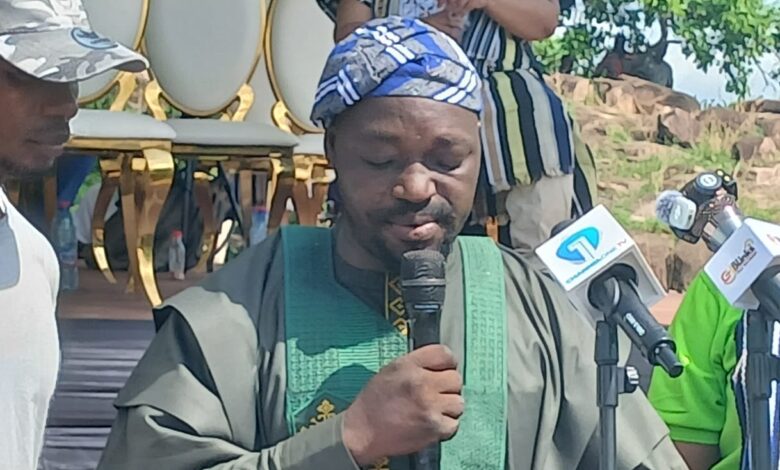
The Paga Youth Movement (PAYOM) has called for the establishment of a modern museum at the Pikworo Slave Camp to preserve the area’s rich historical heritage and strengthen tourism development in the Upper East Region.
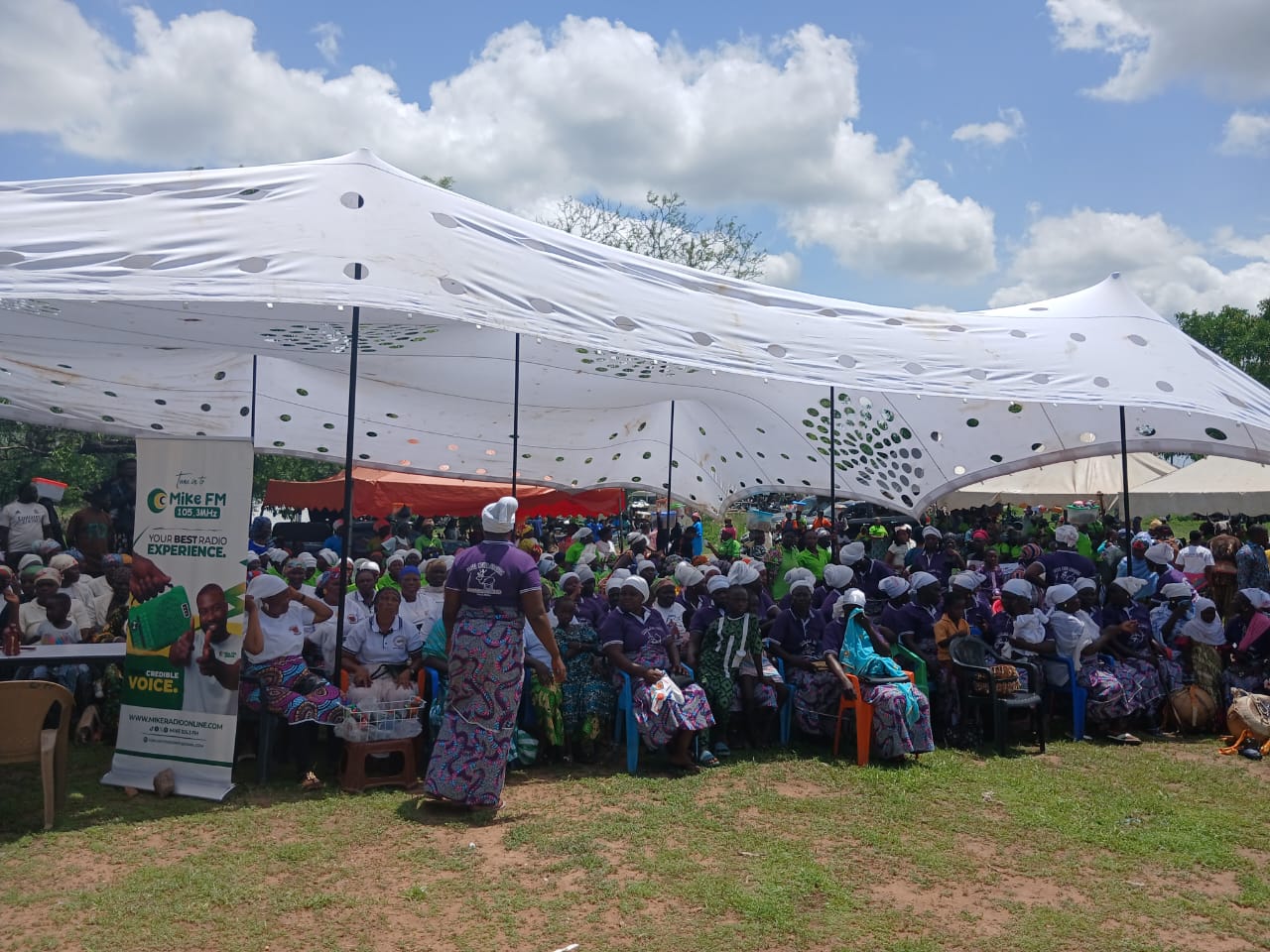
The appeal was made during a Family Reunion Durbar organised by PAYOM, the Board and Management of the Pikworo Slave Camp, and the traditional authorities of Paga to welcome American legislator Carol Ammons, whose DNA ancestry test traced her roots to the Paga community.
Addressing the gathering at the Pikworo Slave Camp on Thursday, July 2, PAYOM Chairman, Wenawome Duriyem Aborah, said the proposed museum would serve as an important centre for preserving the history of the transatlantic slave trade while enriching the experience of visitors.
“Such a facility will provide a permanent home for historical artefacts, oral histories, research findings and educational materials. It will greatly enhance the visitor experience while serving as a centre for learning, remembrance and cultural heritage,” he said.
Aborah also appealed to the government to expedite work on the proposed Upper East Regional Airport, stressing that improved air connectivity would increase access to the region’s tourist attractions and unlock its economic potential.
He further urged the government to prioritise the construction of the proposed inland port at Paga, describing it as a transformative project for northern Ghana.
“The development of the inland port will transform trade, create employment opportunities for young people, enhance regional integration and position Northern Ghana as a major commercial hub within the West African sub-region,” he noted.
The Upper East Regional Director of the Ghana Tourism Authority, Joseph Appiagyei, welcomed Representative Carol Ammons’ return to her ancestral home and called on residents to create a welcoming environment for members of the African diaspora.
He cautioned against exploiting returning descendants through excessive charges for goods and services.
“Some people see them as tourists and charge exorbitant prices when rendering services to them. We should recognise them as our own and not make unnecessary demands,” he advised.
Appiagyei also encouraged residents to become ambassadors of tourism by promoting the region’s rich cultural and historical heritage wherever they go.
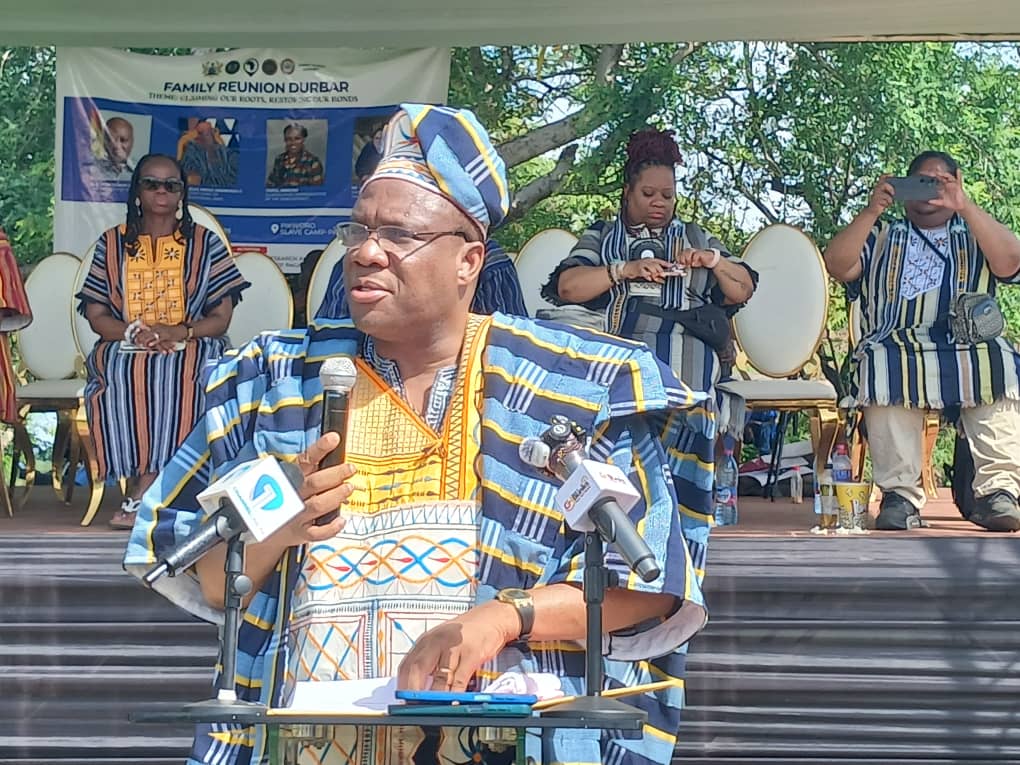
Delivering the keynote address, the Vice-Chancellor of the University of Technology and Applied Sciences (UTAS), Professor Albert Luguterah, described the Pikworo Slave Camp as a site of profound historical significance that embodies the resilience and endurance of African ancestors.
“This is not only a relic of the past; it is a living archive of human endurance, a testament to the resilience of our ancestors and a cornerstone of Ghana’s historical identity,” he said.
Professor Luguterah said Carol Ammons’ return, following scientific confirmation of her ancestral roots in Paga through DNA testing, reinforced the historical importance of the community in the transatlantic slave trade.
“Her presence here is scientifically proven. It is ancestral. It affirms what our elders have always known, that the slave routes began deep in the north, and Pikworo was central to that history.
“Her ancestry is not distant; it is here. Her story is not foreign; it is ours. She is, in every sense, family,” he stated.
He described Ammons’ homecoming as a powerful moment of historical restoration that reunited bloodlines separated by the transatlantic slave trade.
“This homecoming is more than a ceremony. It is restorative. It is a reunion of bloodlines separated by force. It is a moment where history, science and identity converge to correct the narrative and restore dignity.
“This gathering today is the dawn after the longest night,” Professor Luguterah said.
Mike 105.3FM I Navrongo | David Adapuna