BEWDA, WaterAid urge community awareness on climate change and WASH
BEWDA and WaterAid Ghana call for stronger community action to protect WASH services and build resilience against climate change.
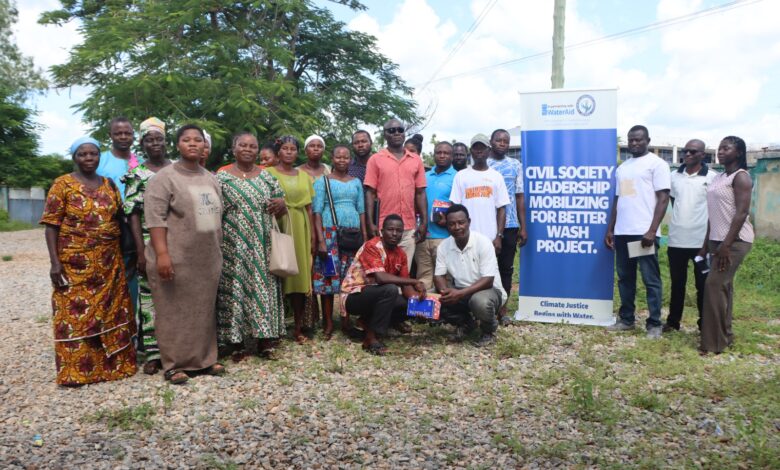
The Belim Wusa Development Agency (BEWDA), in partnership with WaterAid Ghana, has urged communities to increase awareness of climate change and its impact on water, sanitation and hygiene (WASH).
The call was made at a community training organised under the Civil Society Leadership Mobilising for Better WASH (CLIMB Better WASH) Project, funded by the Swedish International Development Cooperation Agency (SIDA), for residents of Gognia and Nayagenia communities in the Kasena-Nankana Municipality.
The training, held at the Catholic Youth Resource Centre on Friday, September 25, brought together community members to educate and empower them to adopt sustainable WASH practices, build resilience to climate change, and engage duty-bearers to provide and improve WASH facilities.
Sebastian Mbabugri Agumah, Project Lead for the SIDA CLIMB Better WASH Partnership, who led the training, took participants through the effects of climate change on WASH and measures communities could adopt to mitigate its impact.
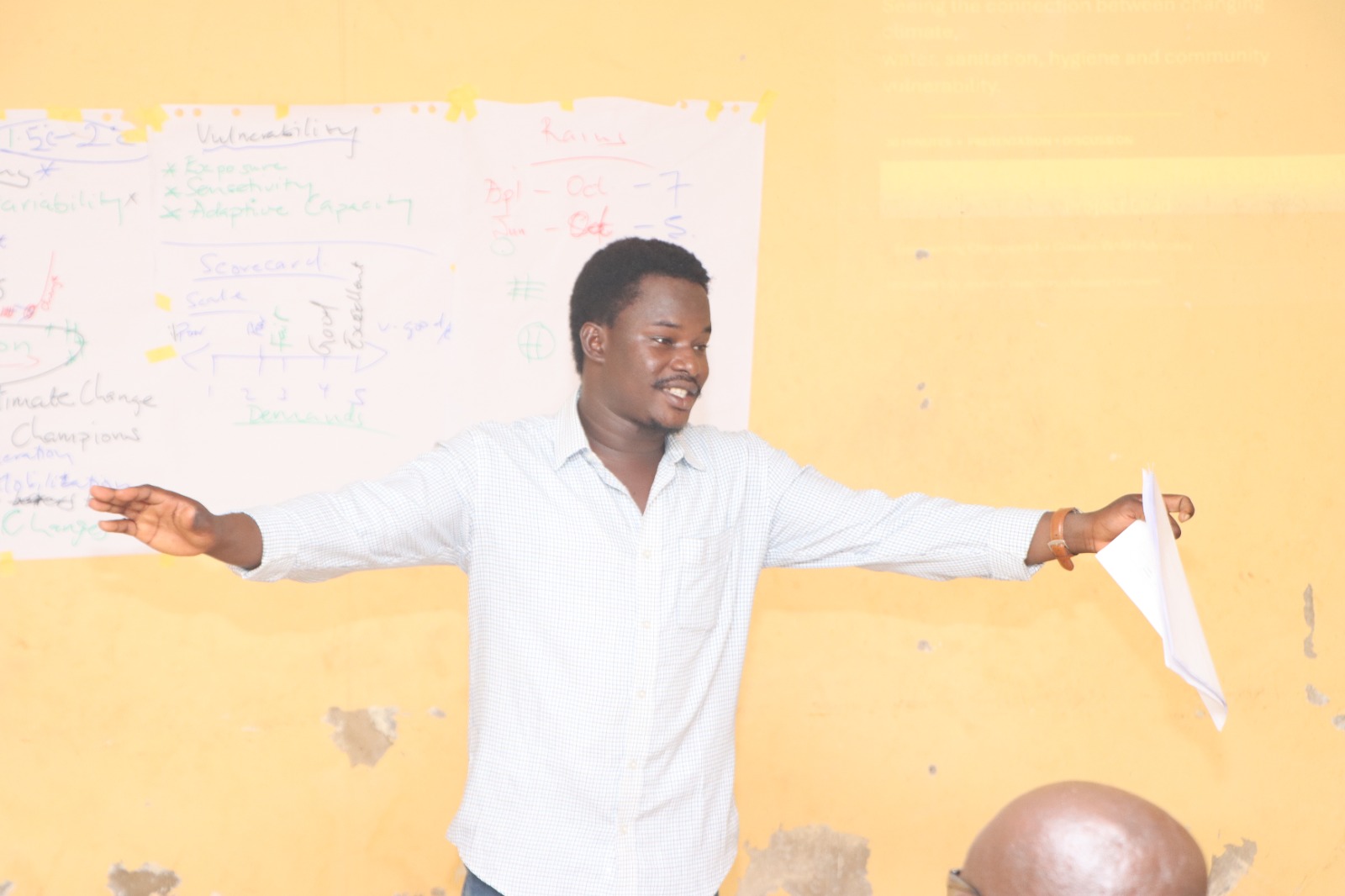
He explained that climate change and WASH were closely interconnected, noting that changing weather patterns could undermine access to safe water and sanitation.
“Climate change affects WASH by causing floods, droughts and changing rainfall patterns, which can reduce access to safe water, damage sanitation facilities and increase hygiene-related health risks,” he said.
Mbabugri stressed that the provision of WASH facilities by duty-bearers should not be regarded as a favour to communities, explaining that residents have the right to demand essential services.
He emphasised that access to water was essential for maintaining proper sanitation and hygiene, adding that the focus should not only be on the availability of WASH facilities but also their safety and usability.
“Water is essential for sanitation and hygiene because it enables people to wash their hands, clean their homes and surroundings, use toilets safely and maintain healthy living conditions,” he said.
Mbabugri also said studies had projected an increase in temperatures in the Upper East Region by between 1.0 and 2.0 degrees Celsius, warning that the effects could further worsen sanitation and other WASH challenges.
He described the sanitation situation in some communities as a crisis, noting that poor sanitation could expose residents to various health risks.
Mbabugri identified global warming, droughts and flooding among the effects of climate change and stressed the need for communities to adopt measures to mitigate its impact.
According to him, climate change could be mitigated through the responsible use of energy, reducing waste, planting and protecting trees, and making everyday choices that minimise harm to the environment.
Mike 105.3FM | Navrongo | Cynthia Afaah