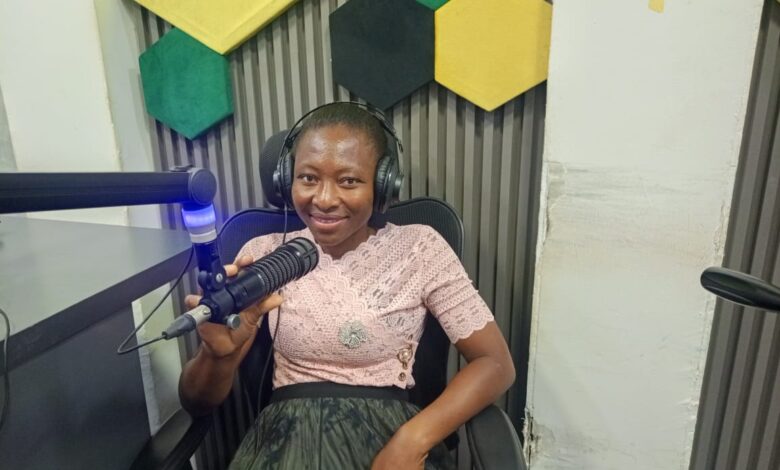
A women’s empowerment advocate, Adeline Bia-Naah, has urged women and girls to prioritise breast awareness and seek prompt medical attention for unusual changes in their breasts, stressing that early detection of breast cancer improves treatment outcomes and saves lives.
Speaking on Voices of Change on Mike FM on Saturday October 10, Bia-Naah said breast cancer was generally easier to treat when detected early, urging women to overcome cultural barriers that discourage them from openly understanding and examining their bodies.
“It is easier to treat breast cancer when it is detected early and treatment starts much earlier than when it gets to the point where little can be done to salvage the situation,” she said.
She compared early detection to repairing a small hole in a dress, explaining that a minor tear could be fixed more easily than a larger one. Similarly, she noted that breast cancer could become more difficult to manage when diagnosis and treatment were delayed.
Bia-Naah identified some warning signs of breast cancer as a new lump in the breast or armpit, changes in breast size or shape, dimpling of the skin, nipple discharge, an inverted nipple and persistent breast pain.
She advised women to consult a qualified health professional promptly whenever they noticed unusual changes in their breasts rather than dismissing them or delaying medical attention.
The advocate also highlighted the emotional, social and economic toll of breast cancer on patients, their families and the wider community.
Drawing on her personal observations, she said the disease could affect patients’ productivity, confidence and family responsibilities, while placing additional emotional and financial pressure on their loved ones.
“I have lived in a community and seen colleagues experience breast cancer, and you can feel the burden and toll it takes on them. It affects one’s productivity, poses a threat to the family and children, burdens the family and can make one lose confidence,” she said.
Bia-Naah further called for increased public education to help women and girls overcome cultural attitudes that make them feel shy or uncomfortable about understanding their bodies.
She observed that in some cultural settings, girls were raised to feel embarrassed about their bodies, a situation she said could discourage them from recognising changes that might require medical attention.
Bia-Naah called for sustained community education and support to ensure that cultural sensitivities did not prevent women from taking proactive steps to protect their health.
Mike 105.3FM I Navrongo | Cynthia Afaah