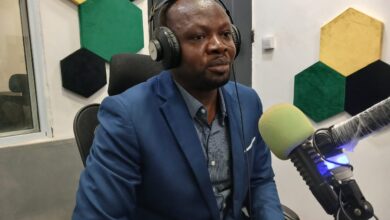
Media urged to promote peace and responsible reporting devoid of inflammatory language
Yelyang also encouraged journalists to actively identify and report early warning signs of conflict to relevant authorities for timely intervention, adding that such vigilance can prevent minor tensions from escalating into major crises.
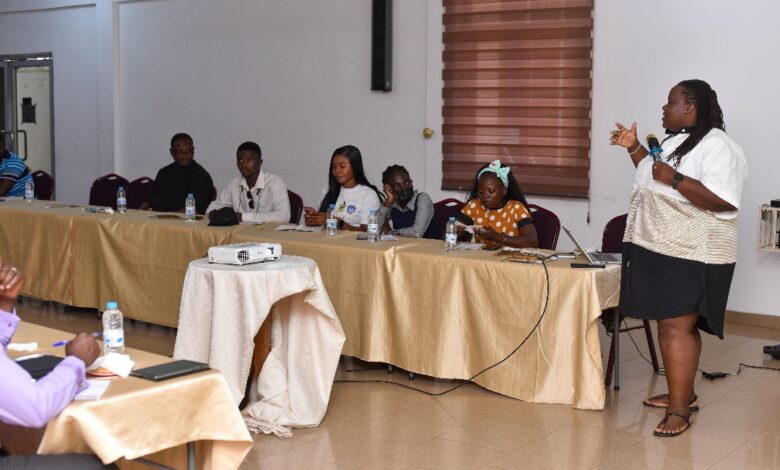
Media practitioners have been cautioned to exercise restraint and professionalism in their reporting to prevent their work from fueling conflict or misinformation.
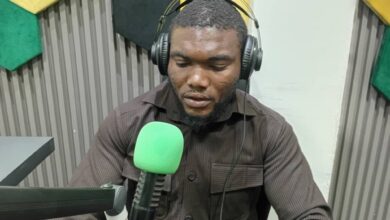
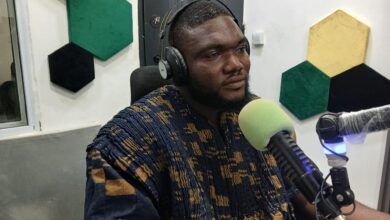
The call was made by Albert Yelyang, the National Network Coordinator of WANEP-Ghana, during a three-day media training held in Tamale on October 29, 2025. The United Nations Development Programme (UNDP), with funding support from the Foreign Commonwealth and Development Office (FCDO) organized the workshop.
Yelyang reminded journalists that while the media plays a crucial role in educating, informing, and entertaining the public, it equally wields the power to either promote or undermine peace.
“Do no harm by your words. Consider the potential impact of your reporting on individuals, communities, or society as a whole. Use language that is accurate, fair, and respectful, avoiding sensationalism, stereotypes, or an inflammatory tone.”
He advised journalists to anticipate the potential consequences of publishing sensitive information, stressing the importance of balancing the public’s right to know the risk of causing harm to individuals, communities, or national security.
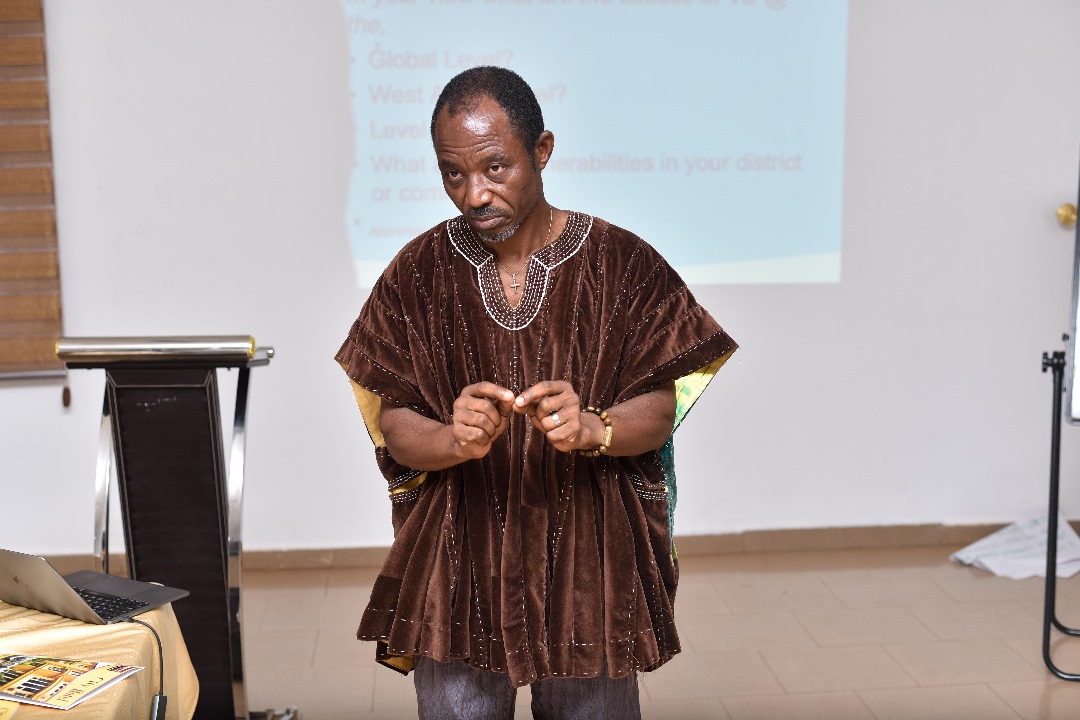
Touching on violent extremism, Yelyang explained that it involves the use of violence or threats to achieve ideological, political, or social goals, often linked to radical beliefs or acts of terrorism. He identified social and economic grievances, ideological and political factors, and psychological issues as some of the root causes of violent extremism.
Yelyang also encouraged journalists to actively identify and report early warning signs of conflict to relevant authorities for timely intervention, adding that such vigilance can prevent minor tensions from escalating into major crises.
Also taking participants through another session was Roselena Afi Ahiable, Project Manager at DUBAWA West Africa, who addressed the growing threat of information disorder in the media landscape.
“There are different ways that information can be reported, and not all are done professionally,” she noted.
Ahiable highlighted three main types misinformation, disinformation, and malinformation, and explained that their persistence is often driven by emotional reactions, fear, the search for belonging, financial motivations, or sheer ignorance of their dangers.
“Information disorder affects a lot of things. It erodes public trust, spreads fear, and fuels social conflicts,” she lamented.
She emphasized that the media must play a watchdog role by promoting information hygiene, public education, and fact-checking to ensure accuracy and credibility in reporting.
“Fact-checking involves verifying the accuracy of information, claims, or statements to determine their truthfulness. It helps prevent misinformation, promotes informed decision-making, and strengthens public trust.” she explained.
Ahiable further demonstrated the use of digital verification tools such as Google Reverse Image Search, InVID, TinEye, and Google Fact Check, and urged journalists to use to verify online images, videos, and information before publication.
Mike 105.3 FM | Navrongo | Cynthia Afaah