NABOCADO urges media to spotlight peace efforts alongside conflicts
NABOCADO urges journalists to balance conflict reporting with peacebuilding efforts to promote trust, recovery and social cohesion.
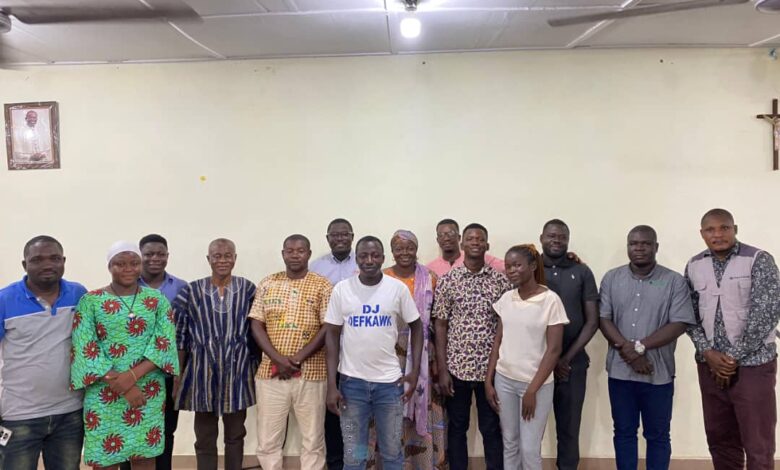
The Navrongo-Bolgatanga Catholic Diocese Development Organization (NABOCADO) has urged media practitioners in the Upper East and North East Regions to give greater attention to peacebuilding efforts alongside reporting on violent conflicts.
The organisation said while incidents of conflict often attract significant media attention, efforts by communities, traditional leaders, youth groups and other stakeholders to prevent violence and restore peace must also be amplified.
The call was made during a one-day training workshop on conflict-sensitive journalism held on Tuesday, September 1, at the Centre for Child Development in Bolgatanga.
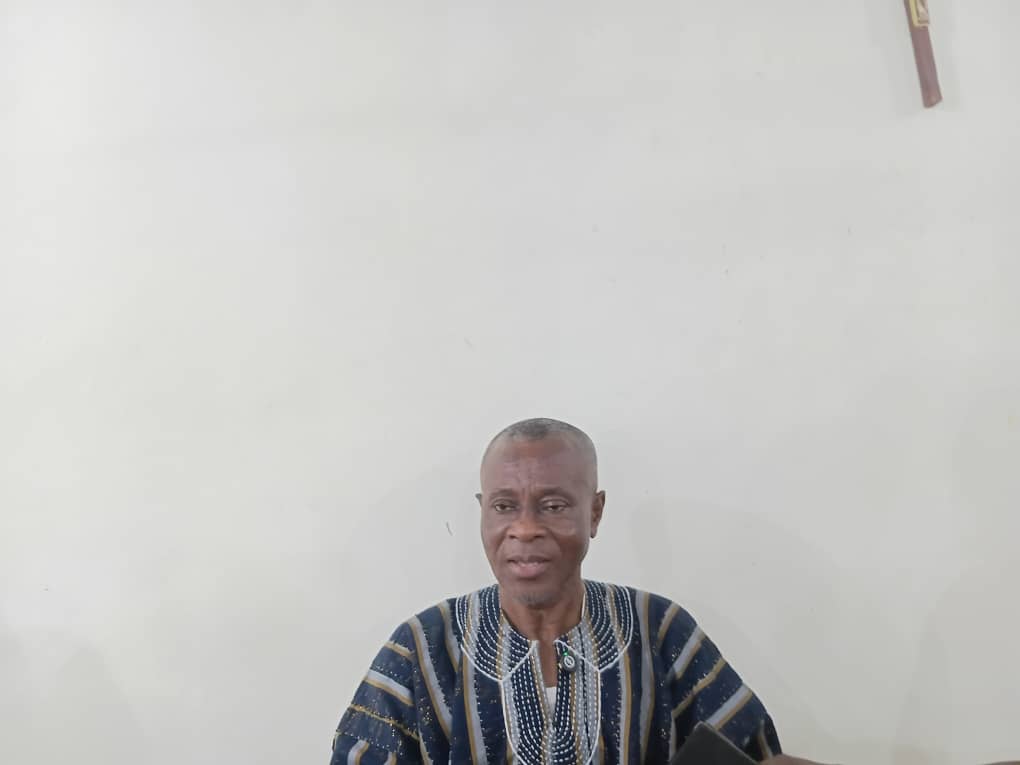
Facilitator of the training, Douglas Ali Anankpieng, a peace expert and former Executive Secretary of the Upper East Regional Peace Council, said the media had a critical role to play in helping the public understand peacebuilding initiatives in conflict-affected communities.
He urged journalists to go beyond reporting incidents and engage individuals and groups involved in peace promotion to explain the measures being taken to restore peace.
Anankpieng cautioned that continuous reporting on violence without highlighting peace efforts could create fear and discourage people from returning to affected communities.
He encouraged journalists to report not only on the challenges confronting communities but also on progress being made towards resolving conflicts.
“While the violence is taking place, we also know that peace efforts are going on. How do you get these efforts heard across the population? That can only be through the work of the media,” he said.
According to him, some journalists in the region had already begun producing reports that examined the context and impact of conflicts, including stories on how conflicts affect education and economic activities.
He stressed that conflict-sensitive journalism should not be driven solely by the desire to break news first, but must prioritise accuracy, context and responsible reporting.
Anankpieng said when positive peacebuilding developments were properly communicated, communities could regain confidence and begin rebuilding their lives.
“You cannot rest on what you have done so far. You need to do more. Continue to add your voice to what is happening in terms of peace promotion,” he added.
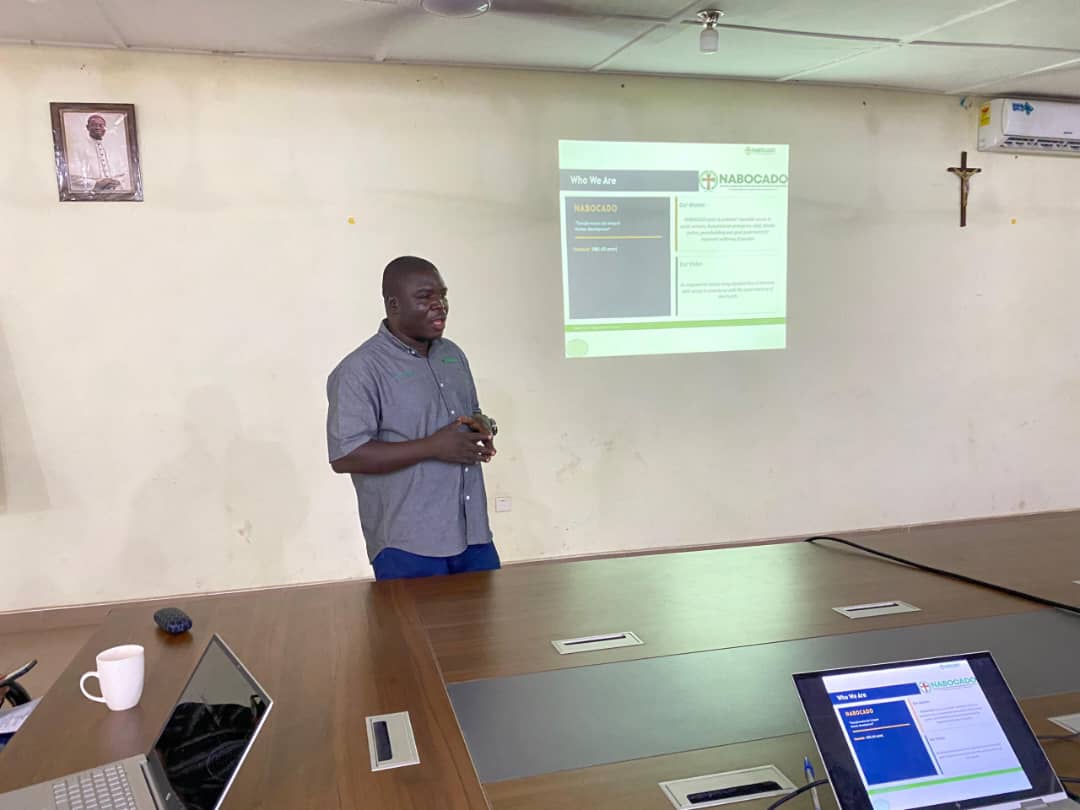
The Director of Justice, Peace and Humanitarian Response Programmes at NABOCADO, Theophilus Abolga, said the media was selected as a key partner because of its ability to influence public perceptions and shape discussions around conflict and peacebuilding.
“The media, as we know, has the potential to either make or unmake when it comes to peacebuilding efforts,” he said.
Abolga explained that the manner in which journalists portray conflict situations could either promote peaceful coexistence or contribute to heightened tensions within communities.
He said NABOCADO wanted journalists to help change narratives surrounding conflict-affected areas by reporting in ways that promoted understanding, rebuilt trust and encouraged communities to live together peacefully.
He also disclosed that there had been significant improvement in community ownership of peacebuilding initiatives, with youth groups and other community actors increasingly taking up their own initiatives to promote peaceful coexistence.
Abolga said NABOCADO’s peace trackers were also helping to identify early warning signs and report them to the appropriate authorities for timely intervention before situations escalated into violence.
A participant at the workshop acknowledged improvements in conflict reporting among journalists but stressed the need for continuous learning and professional development.
The participant encouraged media practitioners to use their platforms to promote peace and social cohesion, particularly because the consequences of conflicts often affect innocent women, children and entire communities.
The training emphasised the importance of accurate, fair, contextual and responsible reporting, with journalists encouraged to look beyond immediate incidents and examine the underlying causes, actors, dynamics and possible pathways to peace.
Mike 105.3FM I Navrongo | Elizabeth Apusaama