Temporary shelter for mentally ill person was for initial care – Social Welfare
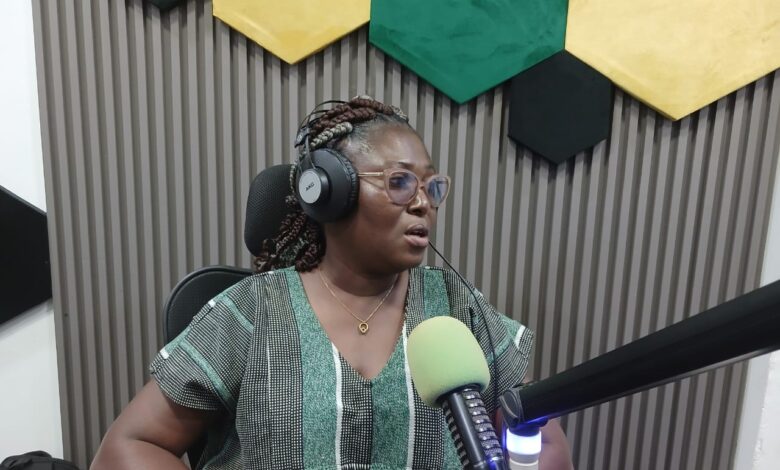
Kassena-Nankana Municipal Social Welfare Officer Rosemary Kadua Awiah says the temporary shelter for a vulnerable man was provided as an initial intervention while family tracing and other long-term support options are pursued.
The Kassena-Nankana Municipal Social Welfare Department has clarified that the temporary shelter provided for a person suspected to be living with mental illness was intended as an initial care measure while efforts continue to assess his condition and find a more sustainable solution.
The shelter was provided by St. Mary’s Empowering the Least Organisation, Saboro-Namolo (SMETLOSANG), a Non-governmental Organisation in collaboration with the Social Welfare Department of the Kassena-Nankana Municipal Assembly after a case and needs assessment identified the need to protect the man from continued exposure to the weather and other dangers associated with living on the streets.
Speaking on the Big Mike Breakfast Show on Wednesday, September 16, the Municipal Social Welfare Officer, Rosemary Kadua Awiah, said the intervention was not intended to replace medical treatment or serve as a permanent arrangement for the individual.
She explained that the temporary accommodation provides an opportunity for the department and its partners to safeguard the man while pursuing other interventions, including tracing his family, liaising with health authorities and exploring possibilities for his reintegration.
“We sought to provide immediate care, as at now, whilst we trace the family, to be able to identify where is he exactly coming from, what led him to the street and what we can do together with the family,” she said.
Rosemary Kadua Awiah stressed that protecting the individual was the immediate priority while the necessary processes were being undertaken to determine the most appropriate long-term intervention.
She said the intervention forms part of the broader mandate of the Social Welfare Department under the Municipal Assembly, which focuses on three main areas: child rights protection and promotion, community care and social protection, and justice administration.
According to her, child rights protection and promotion involves safeguarding children from abuse and ensuring their rights and welfare, while community care and social protection targets vulnerable groups, including persons with disabilities and extremely poor households.
On justice administration, she said the department provides probation and after-care services for juveniles who come into conflict with the law, with the objective of supporting their reform and reintegration into society.
The Municipal Social Welfare Officer also highlighted the importance of partnerships with NGOs, philanthropists, religious organisations and other well-meaning individuals, noting that government resources alone may not always be sufficient to respond to the needs of vulnerable persons.
“We cannot do everything alone; we need the support of philanthropists, NGOs and other people who have the heart to support vulnerable persons in our communities,” she said.
She explained that such support can provide timely assistance to vulnerable people while the appropriate institutions undertake assessments, family tracing, referrals and other interventions aimed at securing lasting solutions.
Awiah therefore encouraged members of the public to show concern for vulnerable persons in their communities and support legitimate interventions aimed at protecting them.
She stressed that collective efforts are essential to ensuring that people facing difficult circumstances are not left exposed to further hardship and danger.
Mike 105.3FM I Navrongo | Elizabeth Apusaama