Transparency International Ghana urges women to speak up against corruption
Anti-corruption organisation equips women in Kassena-Nankana with knowledge and reporting tools to combat corruption, discrimination, and sextortion.

Transparency International Ghana has urged women and other marginalized groups to speak up against corruption and discrimination, stressing that their active participation is crucial in promoting accountability, transparency, and inclusive development.
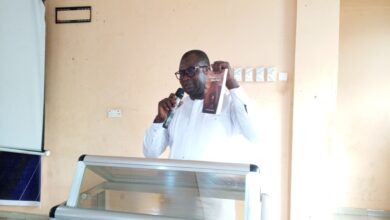
The call was made during a stakeholder engagement held at the Kassena-Nankana Municipal Assembly Conference Hall on Friday, July 24, where about 50 women from the municipality were taken through the various forms of corruption, its impact on vulnerable groups, and the available mechanisms for reporting corrupt practices.
The engagement formed part of the Inclusive Service Delivery Africa (ISDA) Project, being implemented in six African countries, including Ghana. In Ghana, the project is being carried out in three regions, including the Upper East Region, with support from Global Affairs Canada through Transparency International.
The initiative seeks to empower marginalized groups, particularly women, to identify, resist, and report corruption while strengthening their role in promoting good governance and accountability.
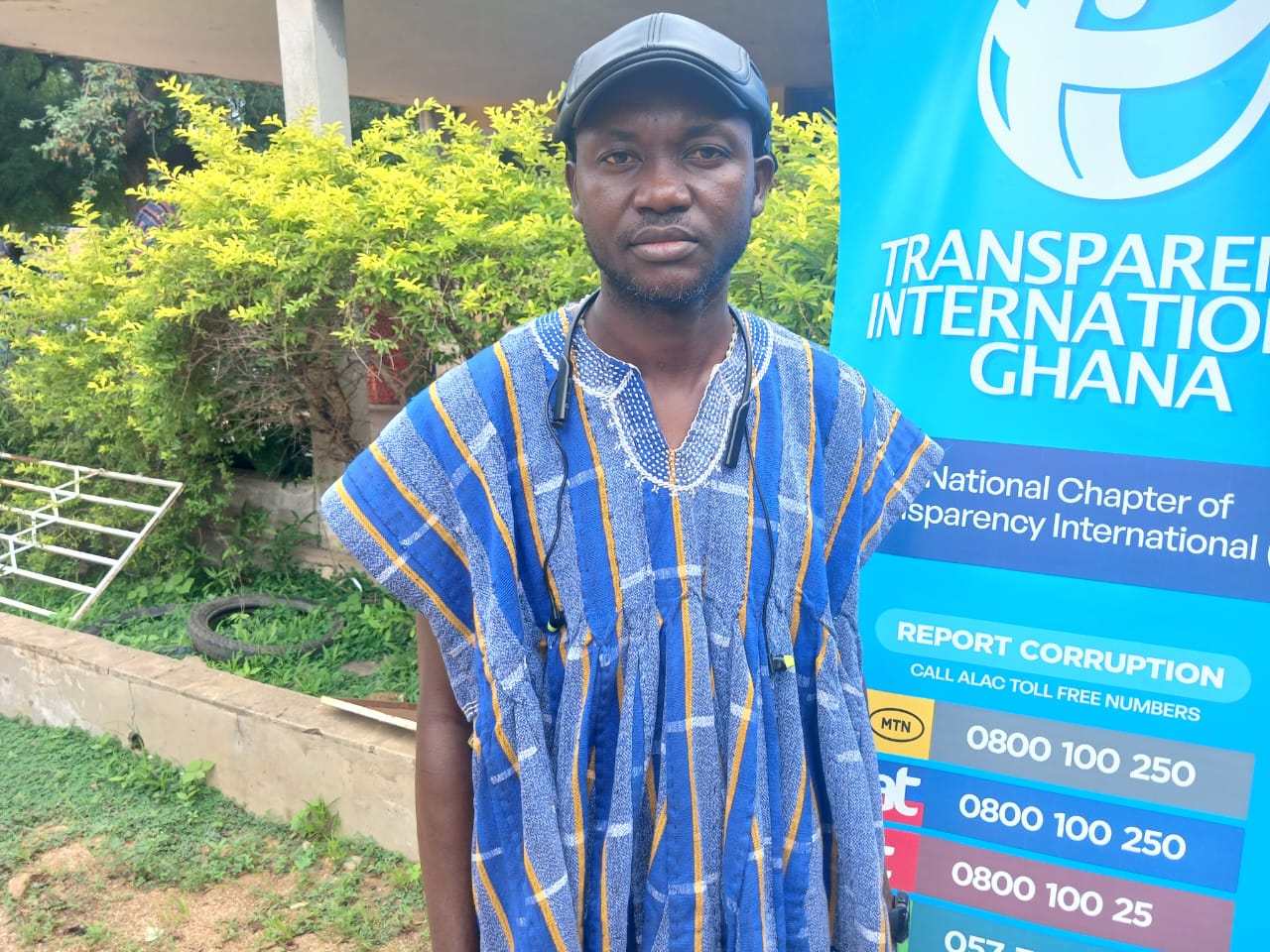
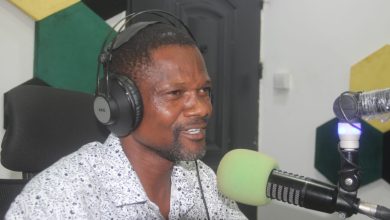
Speaking in an interview with Mike FM, Transparency International Ghana’s Northern Sector Focal Person, Joseph Makido, said the engagement was designed to equip participants with practical knowledge on corruption and the available avenues for seeking redress.
“This meeting brought together over 50 women to educate them on corruption, its effects, its manifestations, and how it disproportionately affects marginalized groups. We also introduced them to the reporting mechanisms available to seek redress whenever they become victims.”
Makido noted that women, young people, and other vulnerable groups are often the hardest hit by corrupt practices but are reluctant to report such incidents due to fear, lack of awareness, or limited knowledge of available reporting channels.
“From our discussions, we realized that many women are afraid to report when they become victims. Some were unaware of the reporting mechanisms, while others did not know they could obtain redress after reporting. Today’s engagement has empowered them with that knowledge, and we encourage them to speak up,” he said.
He explained that participants were also introduced to corruption reporting platforms, including the Advocacy and Legal Advice Centre (ALAC) and the Eye on Corruption (EoC) mobile application, to enable them to report incidents safely and effectively.
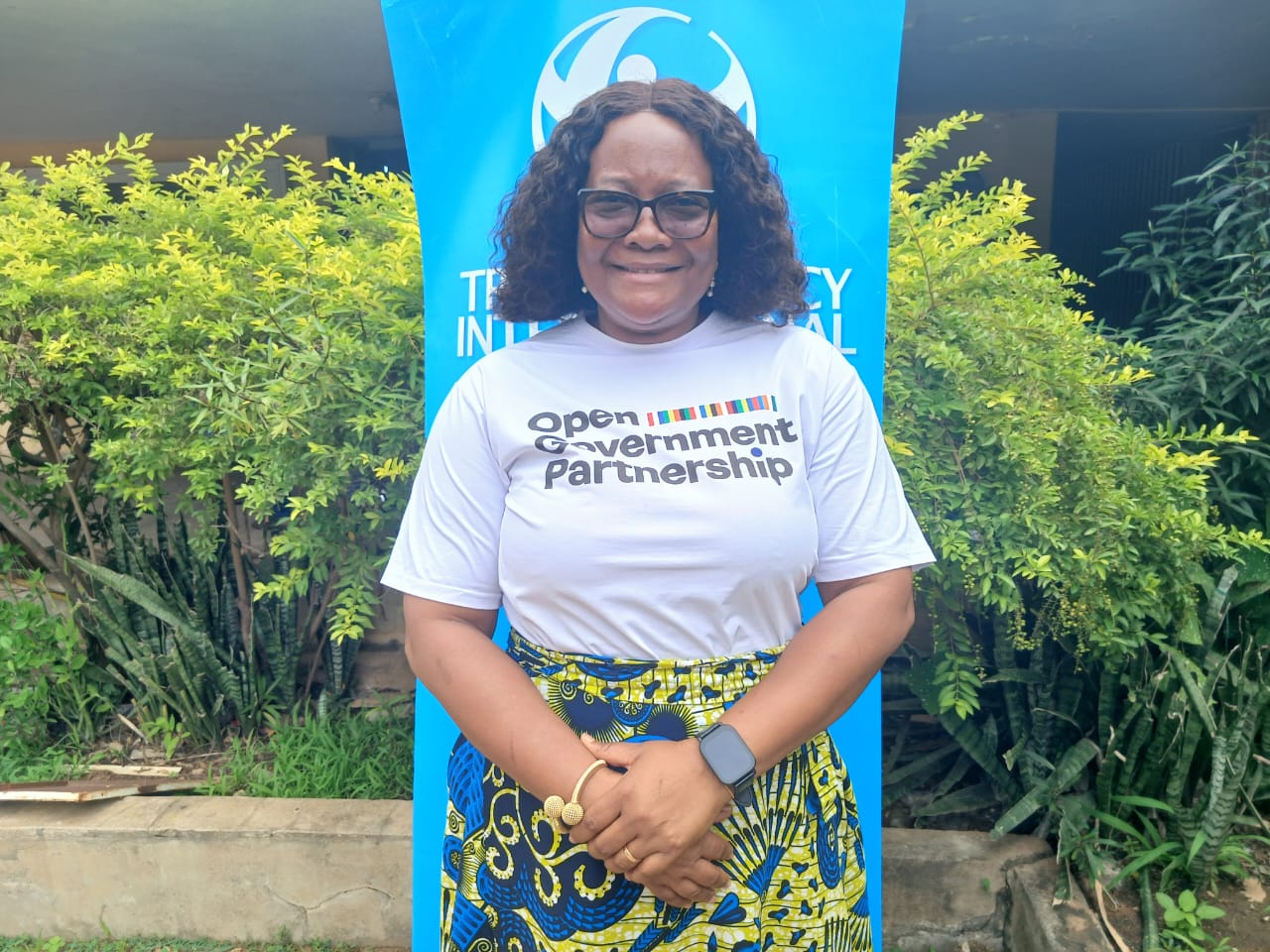
Executive Director of Transparency International Ghana, Mary Awelana Addah, urged women to reject sextortion, a form of corruption in which sexual favours are demanded in exchange for jobs, services, or other opportunities.
She encouraged victims to be courageous and report such abuses, emphasizing that Ghana’s legal framework and relevant state institutions provide avenues for seeking justice.
Addah further urged women to view sextortion as a violation of their fundamental rights and to become advocates for other women and vulnerable persons facing similar challenges.
Participants expressed appreciation to Transparency International Ghana for the training, describing it as timely and enlightening.
They said the programme had enhanced their understanding of corruption and equipped them with the confidence and knowledge to report corrupt practices whenever they encounter them.
Mike 105.3FM | Navrongo | David Adapuna