Bulsa North records 15 to 16 teenage pregnancies monthly – Social Welfare Department
Social Welfare Department reports persistent teenage pregnancy and school dropout challenges, urging stronger community action to protect children and support vulnerable groups.
The Department of Social Welfare and Community Development in the Builsa North Municipality has disclosed that between 15 and 16 teenage girls become pregnant every month, according to data from the Ghana Health Service covering the period from January to May 2025.
The Department also revealed that the municipality remains one of the districts with high school dropout rates, particularly among young girls, many of whom report experiences of physical and sexual abuse.
Communities such as Siniensi, Wiaga and Doninga have been identified as areas where such cases are prevalent.
The alarming statistics were disclosed during a Community Dialogue Series on Social Protection organised by the Ministry of Gender, Children and Social Protection at Wiaga on Thursday, June 18.
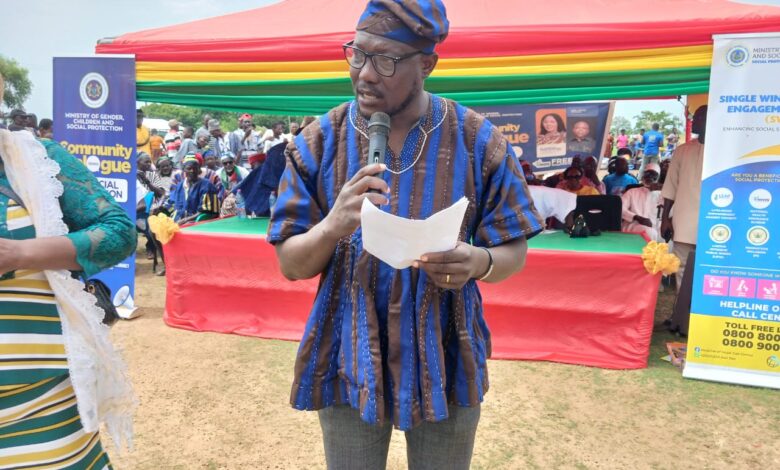
Speaking at the event, the Municipal Head of the Department of Social Welfare and Community Development, Francis Feikaab, expressed concern over the growing incidence of teenage pregnancies and child abuse in the municipality.
He noted that in many instances, parents and guardians fail to report cases involving teenage pregnancies and abuse, making it difficult for authorities to pursue justice and provide the necessary support for victims.
Feikaab further raised concerns about rising juvenile delinquency, which he attributed to factors such as drug abuse, street loitering and involvement of some young people in illegal mining activities.
According to him, the Department has intensified efforts to address these challenges through quarterly community engagements on child protection, where issues affecting children and vulnerable persons are discussed using Child Protection (CP) toolkit approaches.
He explained that the Department also provides case management services, including supporting victims to seek justice, negotiating and enforcing compensation arrangements where appropriate, and offering free counselling services to affected individuals and their families.
Feikaab disclosed that the Department, in partnership with Youth Harvest Foundation and the Business Resource Centre, is currently training more than 500 vulnerable women in shea butter and soybean processing, as well as entrepreneurship and business start-up skills across the municipality’s five zonal councils.
He said priority is being given to persons living with disabilities.
Despite these interventions, he lamented that many cases of abuse and child protection violations remain unreported.
“Few cases get formally reported. On the ground, everyone in the community knows the figures are far higher. People see and hear what is happening, but it never reaches the office files,” he stated.
He therefore called for collective action to address the growing social concerns.
“Community members, chiefs, elders, pastors and imams should not keep quiet. Get involved and let us work together to protect women and children,” he urged.
The Municipal Chief Executive for Builsa North, Solomon Akogti Ansoabayie, also underscored the importance of social protection in promoting inclusive development.
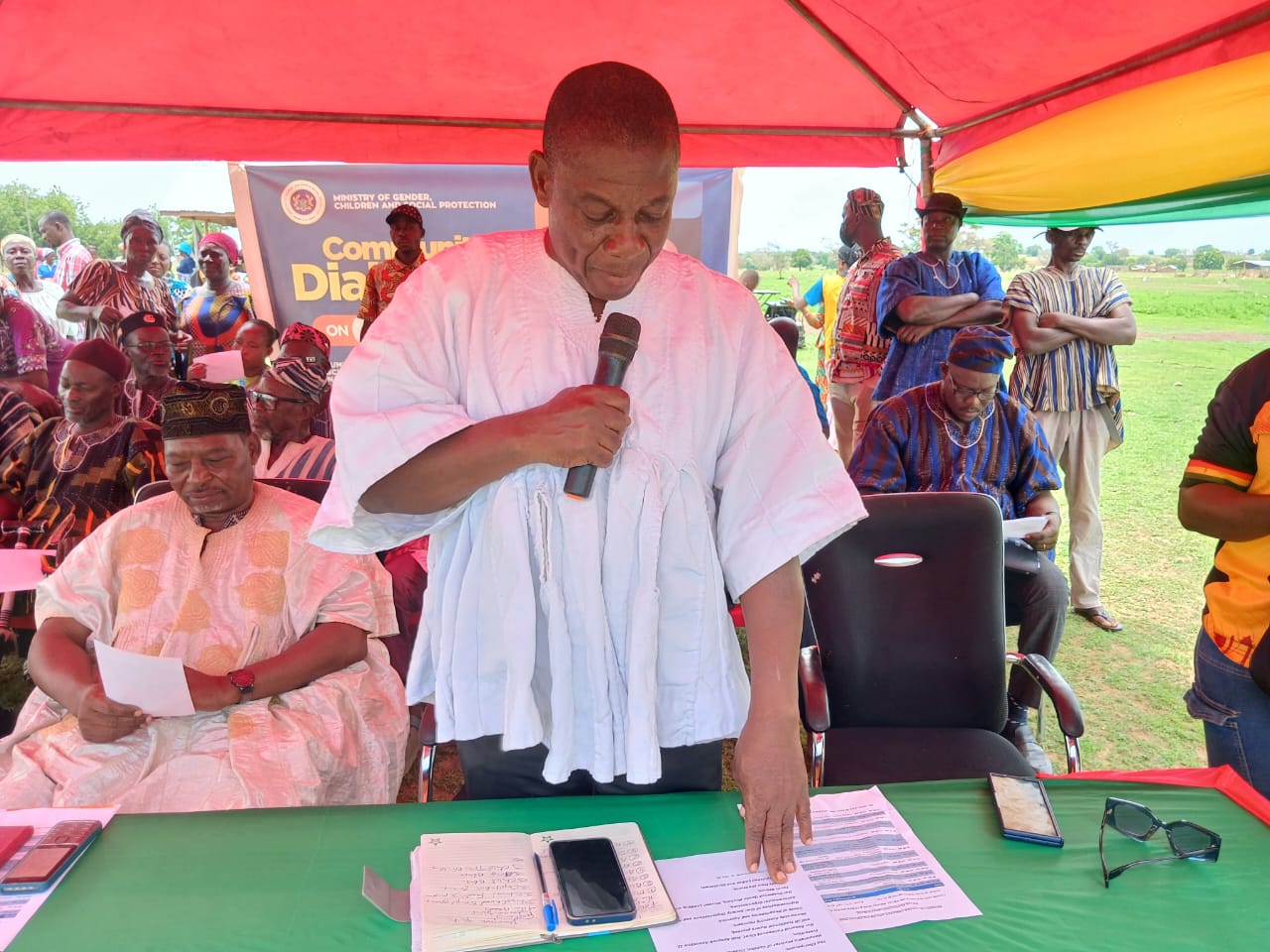
“Social protection is not merely a political buzzword; it is a fundamental human right and a critical tool for preserving human dignity. It is the safety net that ensures that poor harvests, unexpected illnesses and the vulnerabilities of old age do not condemn our people to absolute poverty,” he said.
He noted that interventions such as the Livelihood Empowerment Against Poverty (LEAP) Programme, the School Feeding Programme and the Capitation Grant have brought significant relief to many households across the municipality.
However, he acknowledged that challenges including teenage pregnancy, child protection concerns, gender-based violence and the limited economic empowerment of persons with disabilities continue to hinder development efforts.
Ansoabayie described the community dialogue as an important platform for assessing the impact of social protection programmes, identifying implementation gaps and gathering feedback from beneficiaries at the grassroots level.
“True development cannot be engineered from an office in Accra. It must be shaped by the lived experiences, wisdom and voices of the people right here in our communities,” he stated.
The dialogue brought together traditional authorities, government officials, representatives of stakeholder institutions and community members to discuss strategies for strengthening social protection and safeguarding vulnerable groups within the municipality.
Mike 105.3FM I Navrongo | David Adapuna