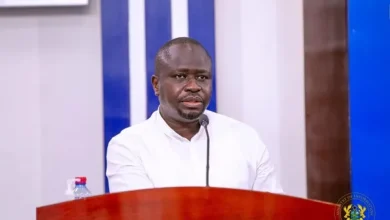
The Navrongo Health Research Centre (NHRC) has appealed to residents within its surveillance areas to continue cooperating with fieldworkers during household visits, saying community participation remains essential to improving healthcare delivery and advancing medical research.
Officials of the Centre also dismissed misconceptions surrounding their activities, stressing that information collected from residents is used solely for scientific reseach and health planning and not for personal gain.
Speaking on the Big Mike Breakfast Show on Tuesday, July 28, Matthew Kampitib said many people mistakenly believe the Centre collects information without benefiting the communities, but noted that research findings have contributed to life-saving health interventions across Ghana.
“The benefits are numerous, but most of them are indirect. We may not come and give you cash or a package, but the information we collect is translated into policies that benefit the entire population,” he explained.
Kampitib said programmes such as malaria vaccines, vitamin A supplementation and the Community-based Health Planning and Services (CHPS) initiative were all informed by research conducted by the Centre
He also rejected claims that community members are used as “guinea pigs” during research, explaining that every study follows strict ethical procedures and participants receive appropriate medical care whenever necessary.
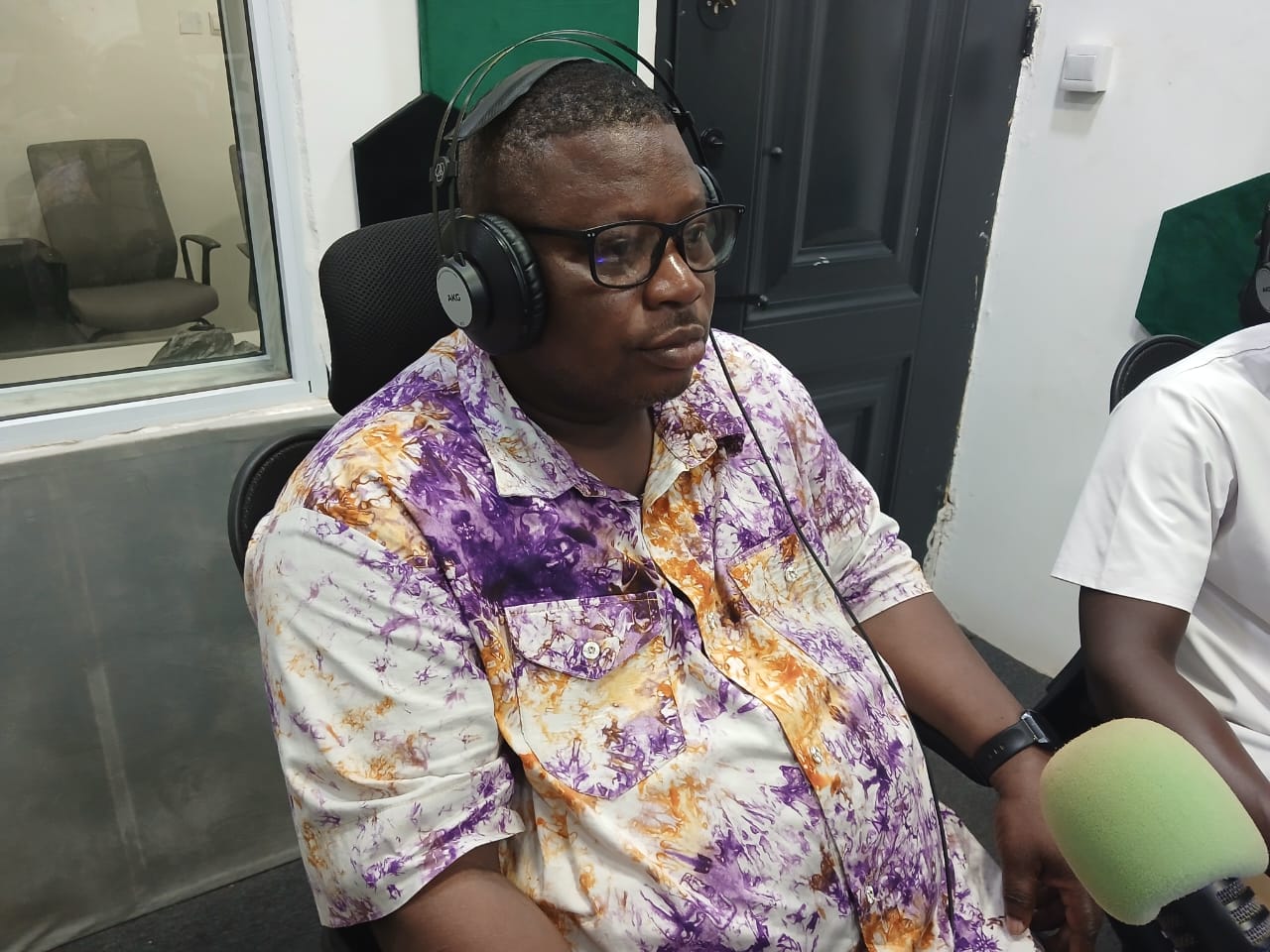
Adding to the discussion, Samuel Oladokun, Head of the Health and Demographic Surveillance System (HDSS), said community cooperation is critical because accurate information enables health authorities to determine the real health needs of communities.
“Without the basic information, you cannot know how many vaccines, mosquito nets or other health services are needed in a particular community,” he said.
Oladokun explained that information gathered through the surveillance system helps government and development partners plan health facilities, immunisation programmes and disease control interventions.
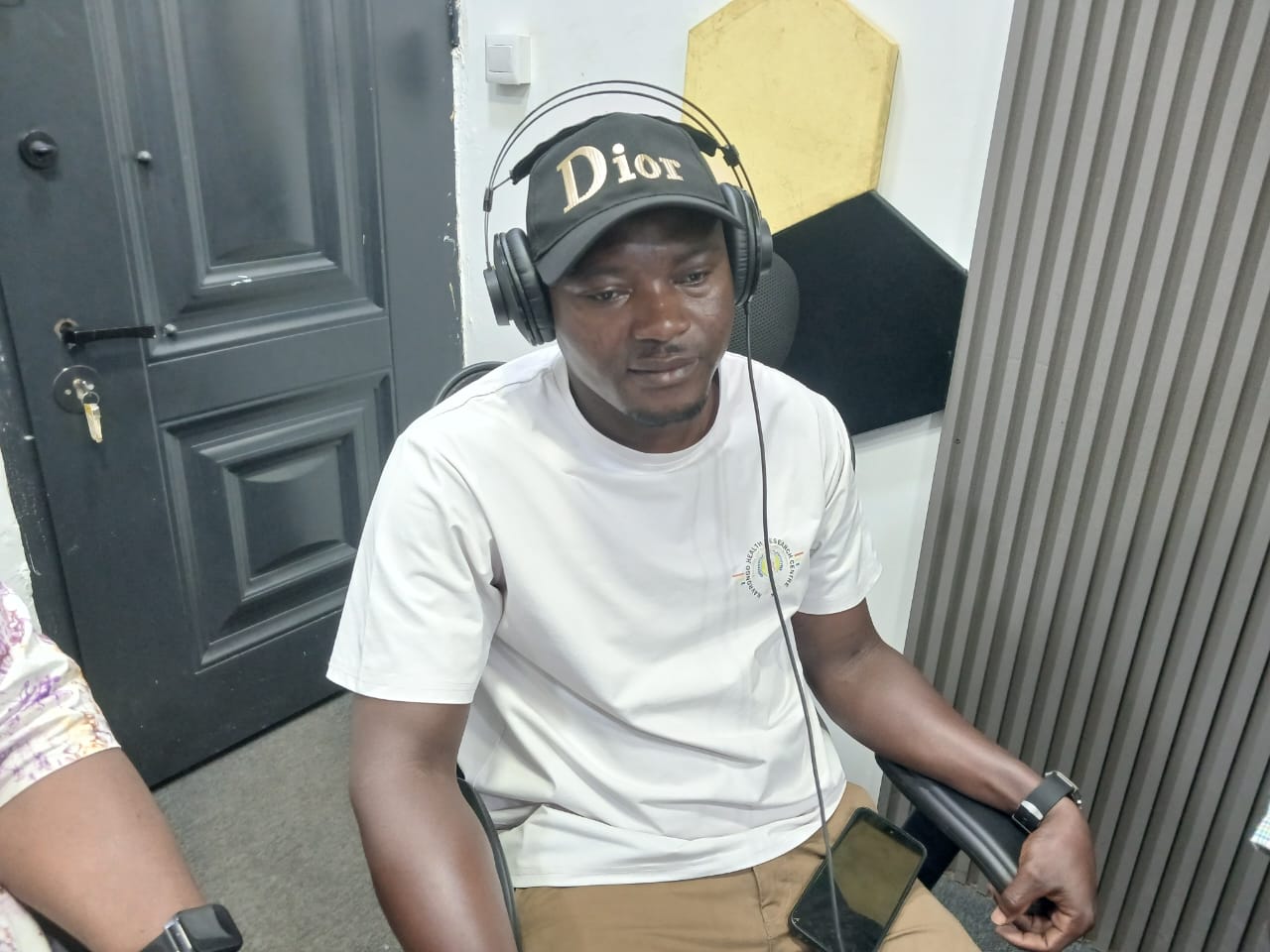
Meanwhile, Manies Achasanga said community key informants play an important role in helping the Centre record births, deaths and other important events that may occur between routine household visits.
“The community key informants live within the communities. They help us ensure that births, deaths and other important events are not missed,” he noted.
Achasanga added that the Centre also works with the Births and Deaths Registry to assist families in obtaining birth certificates, especially in rural communities where access to such services may be limited.
The officials encouraged residents to ask questions whenever fieldworkers visit their homes instead of relying on rumours, insisting that public cooperation has been one of the major reasons the Navrongo Health Research Centre continues to make significant contributions to healthcare in Ghana.
Mike 105.3FM | Navrongo | Elizabeth Apusaama