CSOs demand stronger collaboration with GHS to eliminate neglected tropical diseases by 2030
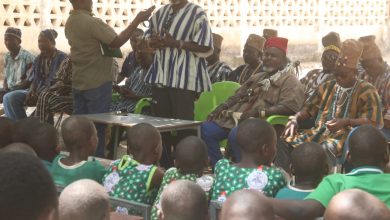
The call was made by the Ghana National Consortium on Neglected Tropical Diseases (Ghac-NTDs) on World NTD Day, marked on Thursday, January 30, 2026, in Tamale, under the global theme “Unite, Act, Eliminate NTDs and related diseases.”
Civil society groups working on Neglected Tropical Diseases (NTDs) have called for a radical shift from fragmented interventions to coordinated, inclusive action if Ghana is to eliminate all NTDs by 2030.
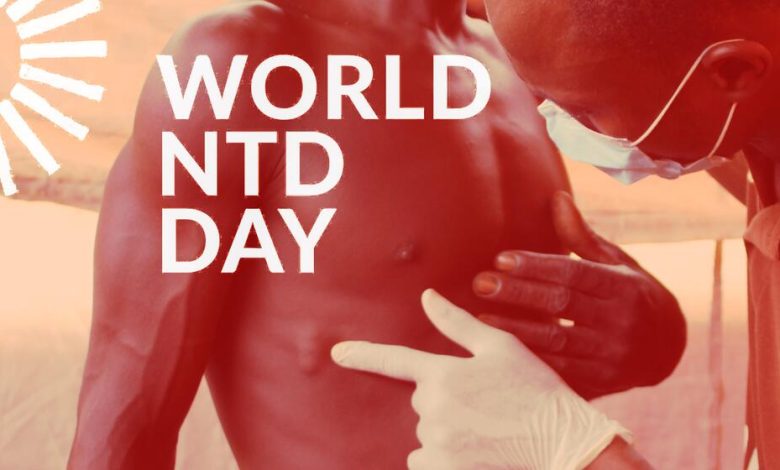
The call was made by the Ghana National Consortium on Neglected Tropical Diseases (Ghac-NTDs) on World NTD Day, marked on Thursday, January 30, 2026, in Tamale, under the global theme “Unite, Act, Eliminate NTDs and related diseases.”
While acknowledging Ghana’s major public health gains, including the elimination of Guinea worm, trachoma, and Human African Trypanosomiasis, the consortium expressed concern that 14 of the 21 globally recognised NTDs are still present in the country, with more than 12 million people at risk, largely due to poverty and poor sanitation.
According to Ghac-NTDs, progress toward elimination is being slowed by what it described as “solo and uncoordinated approaches” among key actors, despite the leadership shown by the Ministry of Health and the Ghana Health Service (GHS).
In a statement signed by its National Chairman, Dr Peter Ndonwie, the consortium said civil society organisations (CSOs) continue to face limited access to critical disease data, exclusion from key policy decision-making processes, and inadequate funding for NTD programmes at both national and district levels.
“Policy formulation often lacks the ground truth and community-led perspectives that CSOs provide, while the fight against NTDs remains heavily dependent on dwindling donor funding.” The statement noted.
The consortium is therefore urging the government, through the Ministry of Health and the GHS, to formally integrate CSOs into the Intra-Country Coordinating Committee (ICCC) at national, regional, and district levels to strengthen joint planning, implementation, and monitoring.
It also called for the rapid operationalisation of the End NTDs Fund announced in 2025, with transparent mechanisms that allow CSOs to directly access resources for community-based interventions.
On data management, Ghac-NTDs proposed the establishment of a shared digital surveillance platform to enable real-time data exchange between government health facilities and CSO field teams, describing it as critical to evidence-based planning.
The statement further advocated a shift from vertical, drug-only interventions to person-centred, integrated primary healthcare approaches that include disability management, mental health support, community rehabilitation and stigma reduction for affected persons.
Reaffirming its commitment, the consortium said it is ready to deploy its nationwide network of experienced members, volunteers and advocates to support the Ghana NTD Sustainability Plan (2023–2026).
“Eliminating NTDs in Ghana is not just a dream, but a target within reach if we act together.”
Mike 105.3FM | Navrongo | Alexander Bombande