Decision to elect communication officers will be a game changer – Dr Akonga
Among the key reforms was an amendment to Articles 7(5), 9(2), and 10(7)(3) of the NPP constitution, transitioning the role of communication officers from appointed to elected positions, starting from the polling station through to the national level.

Dr. Samuel Akonga, a Communications Team Member of the opposition New Patriotic Party (NPP) in the Upper East Region, has welcomed the party’s decision to elect communication officers at all levels of its leadership structure.
At the NPP’s 2025 National Delegates Conference held in Accra, delegates unanimously approved 54 reform motions aimed at repositioning the party for the 2028 general elections.
Among the key reforms was an amendment to Articles 7(5), 9(2), and 10(7)(3) of the NPP constitution, transitioning the role of communication officers from appointed to elected positions, starting from the polling station through to the national level.
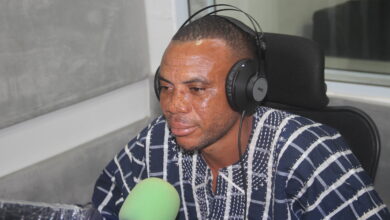
Speaking on the Big Mike Breakfast Show on Friday, July 25, Dr. Akonga described the decision as a significant move that would enhance the efficiency and autonomy of the party’s communication wing.
“The decision will give autonomy to the communication officer to do whatever is necessary for the party. Most of the time there are certain decisions you want to take, but the chairman will tell you not to do it, because you’re appointed by him and the constituency executive committee, you do not have that kind of laxity to go out there willingly and do certain things that will help the party.”
Dr. Akonga, who previously served as the Communication Officer for the Nabdam Constituency, stressed that making the role elective will ensure greater accountability, as officeholders will now answer directly to party delegates rather than executive body.
“But I believe that having made the communication unit an elected position, it will give that freedom to whoever occupies it to perform their role very credibly, knowing that if you fail, other contenders will come,” he added.
He also criticized the previous appointment-based system, noting that it often led to underperformance due to lack of accountability and favoritism.
“Previously, if you didn’t fall in the good books of the constituency executives, you might not be picked. Some of the appointed officers performed credibly, but others were invariably sleeping on their job,” he said.
Dr. Akonga expressed optimism that the broader reforms approved at the conference would contribute to a more robust and democratic party structure, ultimately aiding the NPP’s quest to return to power in 2028.
Mike 105.3 FM | Navrongo | Alexander Bombande