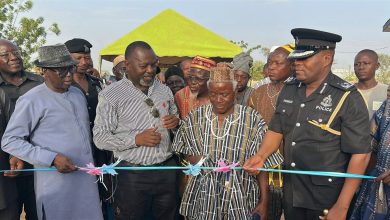
GAPNET urges Community Animal Health Workers to apply training to improve livestock health
GAPNET has urged trained Community Animal Health Workers in the Kassena-Nankana area to apply their skills in disease prevention, livestock management and community education to improve animal health services.
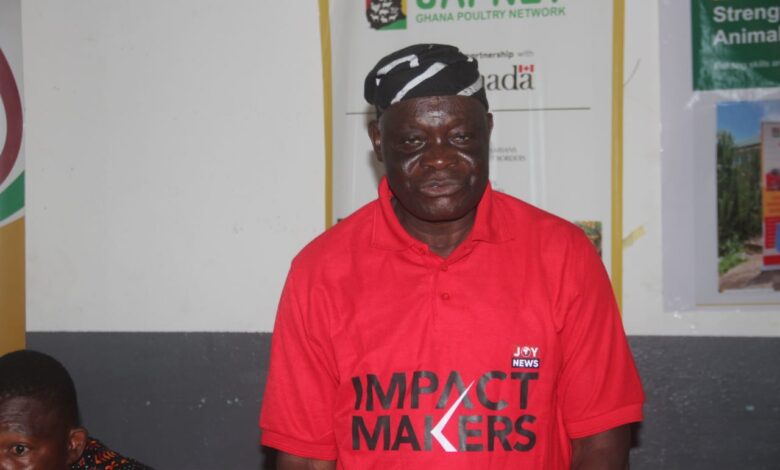
The Ghana Poultry Network (GAPNET) has urged Community Animal Health Workers (CAHWs) in the Kassena-Nankana area to apply the knowledge and skills acquired through periodic training programmes to improve livestock production and animal health in their respective communities.
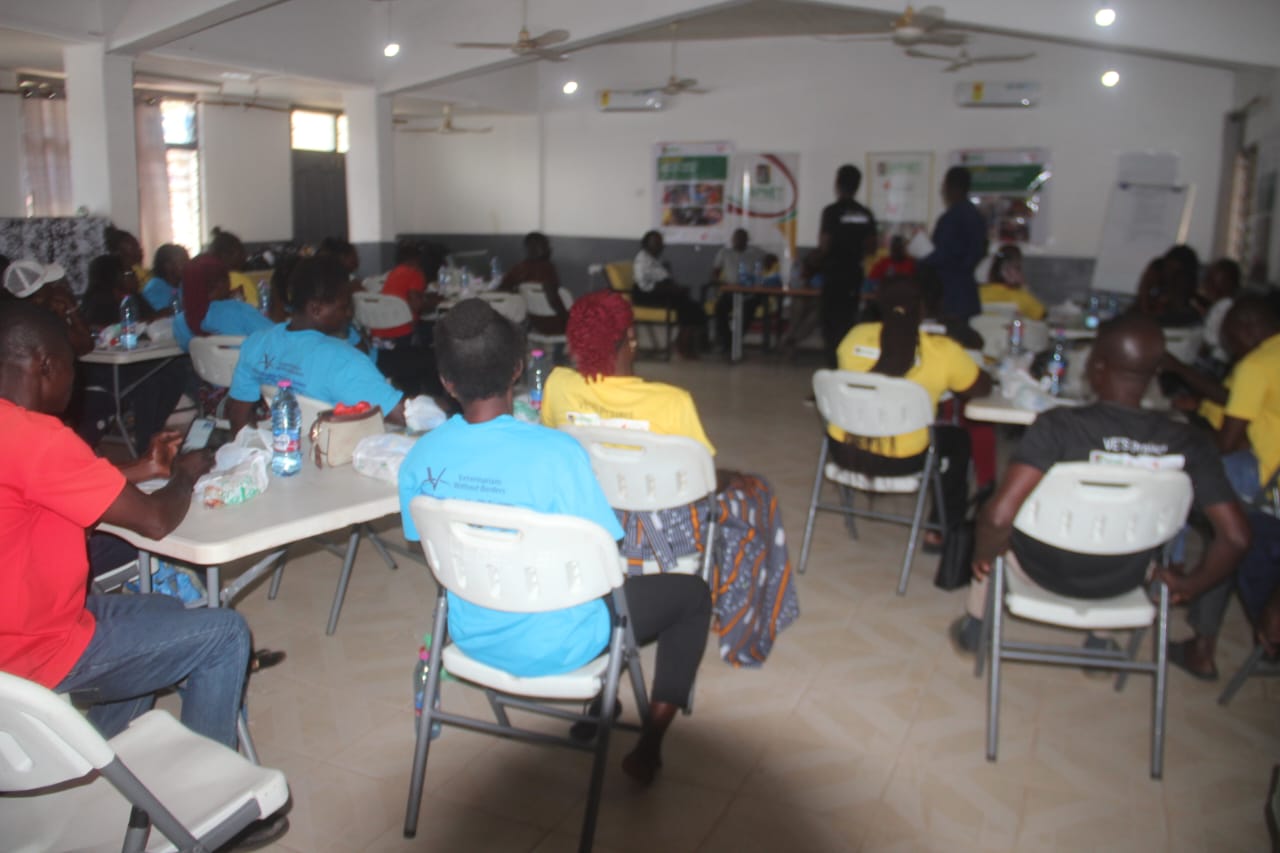
The call was made at the closing ceremony of a 10-day refresher training programme organised for the workers by GAPNET at the Centre for Ecological Development and Enterprise (CEDEC) on Friday, November 6.
The training was organised in partnership with Veterinarians Without Borders under the Volunteers Engaged in Gender Responsive Technical Solutions (VETS) project, with financial support from Global Affairs Canada.
Addressing the participants, Executive Director of GAPNET, Dr. Anthony Akunzule said the training was designed to update their technical knowledge, strengthen their animal health management practices and renew their commitment to serving their communities.
“You have been refreshed with new technical knowledge, innovative ideas, improved animal health management practices, renewed energy and a strengthened commitment to serving your communities,” he said.
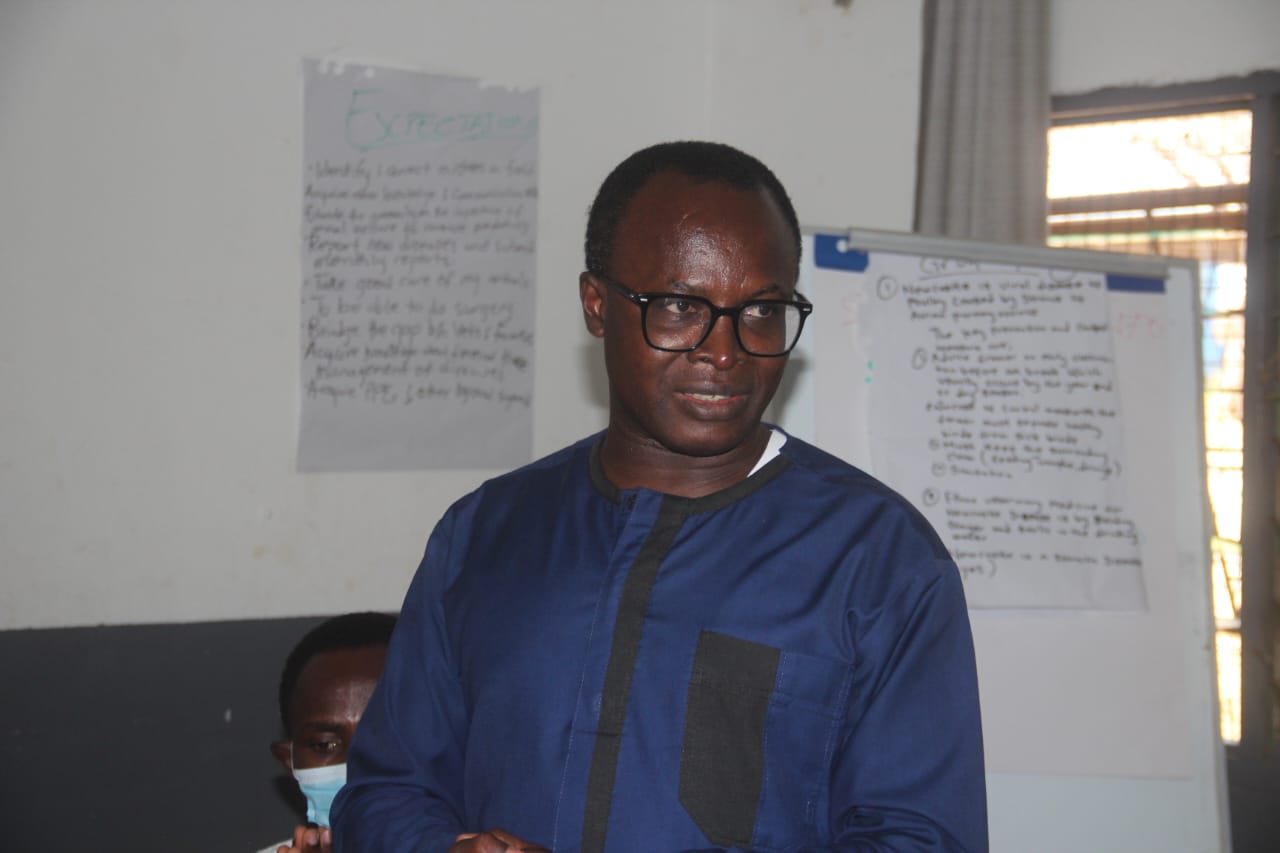
Dr. Akunzule disclosed that the workers initially received training in basic animal health and livestock production management in 2023.
He added that between 2022 and 2023, a total of 90 Community Animal Health Workers were trained across the Upper East, Greater Accra and Eastern Regions.
He commended the participants for their commitment to addressing animal health challenges in their communities despite the difficulties they encounter.
Dr. Akunzule urged them to intensify efforts towards preventing and controlling Newcastle disease through poultry vaccination and Peste des Petits Ruminants (PPR) through vaccination of sheep and goats.
He also encouraged them to educate community members on zoonotic diseases and their potential risks to human health.
A facilitator for the programme, Professor Jacob Alhassan Hamidu of the Kwame Nkrumah University of Science and Technology (KNUST) said the training would complement the work of veterinary officers and contribute to improving animal health service delivery.
He described the Community Animal Health Workers as an important link between livestock farmers and veterinary officers, noting that their involvement would help identify and address animal health challenges at the community level.
“You are going to be a bridge between the farmers and the veterinary officers, so you can help solve some challenges,” he said.
Prof. Hamidu further underscored the importance of livestock production to household livelihoods, explaining that income from animal production helps families meet essential needs, including children’s education and other household expenses.
Representing the Upper East Regional Veterinary Officer, Chief Technical Officer Isaac Ayine Mbobo congratulated the participants and reiterated the importance of their responsibilities in strengthening animal health services at the community level.
“You have been trained to serve as an important link between the Veterinary Service and farmers. Your ability to identify problems and report promptly is very crucial,” he said.
He urged the workers to operate within the limits of their training and seek assistance from veterinary officers whenever they encounter cases beyond their competence.
“Your duty is to carry out basic treatment like deworming. Know your limits; what is beyond you, report to the veterinary officer,” he advised.
Some of the trainees expressed appreciation to GAPNET and its development partners for the opportunity, saying the training had equipped them with additional knowledge and skills to effectively discharge their responsibilities.
They pledged to apply the knowledge acquired to improve animal health management and livestock production in their respective communities.
The participants were presented with certificates of participation and bags containing basic items to support their work.
Mike 105.3 FM I Navrongo | David Adapuna