Power crisis: Ghanaians deserve reliable electricity, not higher bills and excuses – Abass
NPP Chiana-Paga Constituency Organiser Mohammad Abass Yikinsah urges government to address power challenges, saying Ghanaians deserve reliable electricity rather than higher bills and repeated explanations.
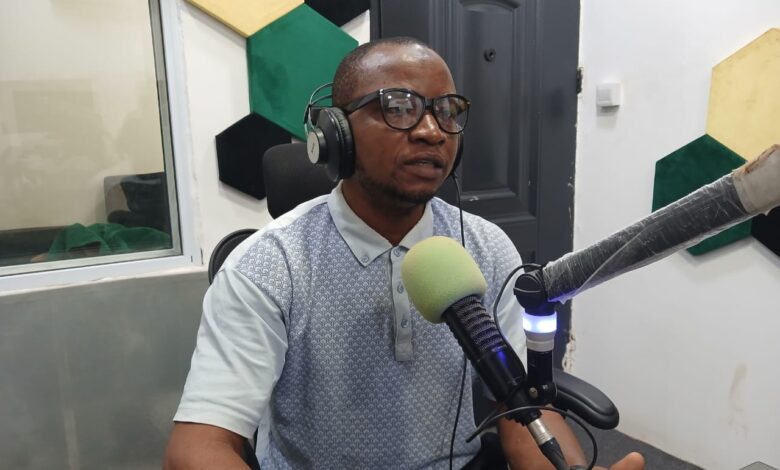
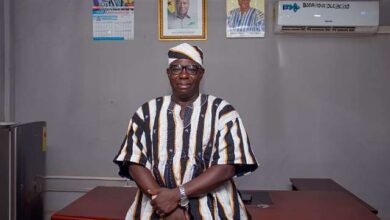
- The New Patriotic Party (NPP) Chiana-Paga Constituency Organiser, Mohammad Abass Yikinsah, has challenged the government to provide concrete solutions to Ghana’s persistent power challenges, arguing that Ghanaians cannot continue to pay higher electricity bills while enduring intermittent power supply.
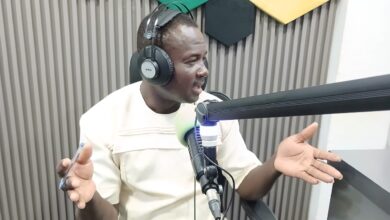
Speaking on the Big Mike Breakfast Show on Wednesday, September 2, Yikinsah said the government must take responsibility for the current challenges in the energy sector rather than continuously attributing them to the previous administration.
He said Ghanaians voted for a change in government with the expectation of improved living conditions and should therefore not continue to hear explanations centred on the performance of the previous administration.
Yikinsah questioned the justification for increases in electricity tariffs at a time when consumers continued to experience power outages and were forced to spend additional money on generators and fuel.
He also compared current economic indicators with those under the previous administration, questioning why electricity costs remained high despite what he described as a relatively stronger exchange rate, lower inflation and changes in international fuel prices.
According to him, the situation had become particularly difficult for households and businesses that had to contend with electricity bills while simultaneously bearing the cost of alternative sources of power.
Yikinsah further questioned the operational capacity of Ghana’s thermal power plants, arguing that some were operating below capacity or had been affected by fuel-related challenges despite the country’s urgent need for reliable electricity.
He also criticised the government over what he described as additional charges on petroleum products, arguing that reducing such costs could help ease the financial burden on consumers.
Yikinsah said the impact of intermittent power supply extended beyond electricity bills, as frequent outages and fluctuations could damage household and business appliances.
“We are paying higher light bills without getting consistent power,” he said.
While acknowledging that all stakeholders had a role to play in addressing Ghana’s power challenges, Yikinsah maintained that government had the primary responsibility to lead efforts to restore a reliable electricity supply.
He said consumers should not be left to bear the cost of unreliable power through higher electricity bills, expenditure on fuel and generators, as well as repairs or replacement of damaged appliances.
“I agree that it is a collective responsibility for all of us. But government must lead the charge, so that the rest of us will follow,” he stressed.
Yikinsah therefore urged the government to move beyond political blame and implement tangible measures to address fuel shortages, improve power generation capacity and ensure that Ghanaians receive reliable electricity for the bills they pay.
Mike 105.3FM I Navrongo | Elizabeth Apusaama