Upper East stakeholders urged to identify security threats, contribute to regional peace
Stakeholders in the Upper East Region have been urged to identify emerging security threats and propose practical solutions to inform the review of Ghana’s National Security Strategy.
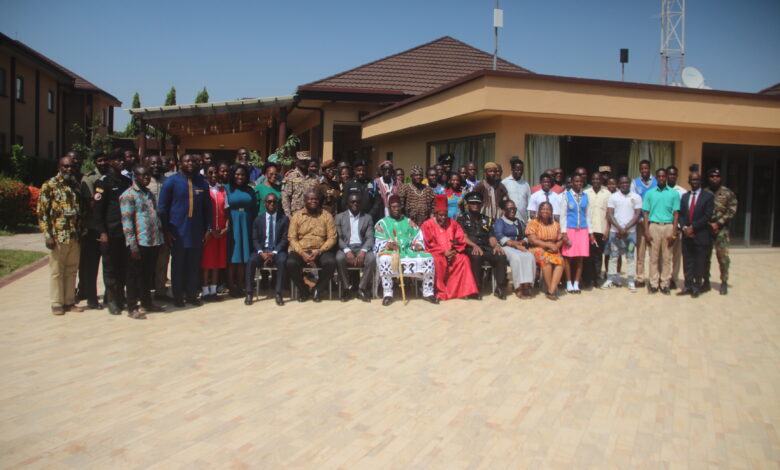
Stakeholders in the Upper East Region have been urged to identify emerging security threats and contribute practical recommendations towards strengthening peace and security in the region as part of efforts to review Ghana’s 2020 National Security Strategy.
The call was made during a stakeholder engagement organised by the National Security Council Secretariat to gather local perspectives on emerging threats and community-level security concerns to inform the review of the national strategy.
The engagement brought together traditional and religious leaders, security and intelligence agencies, government institutions, academia, youth groups, civil society organisations, farmers, traders, transport operators and the media.
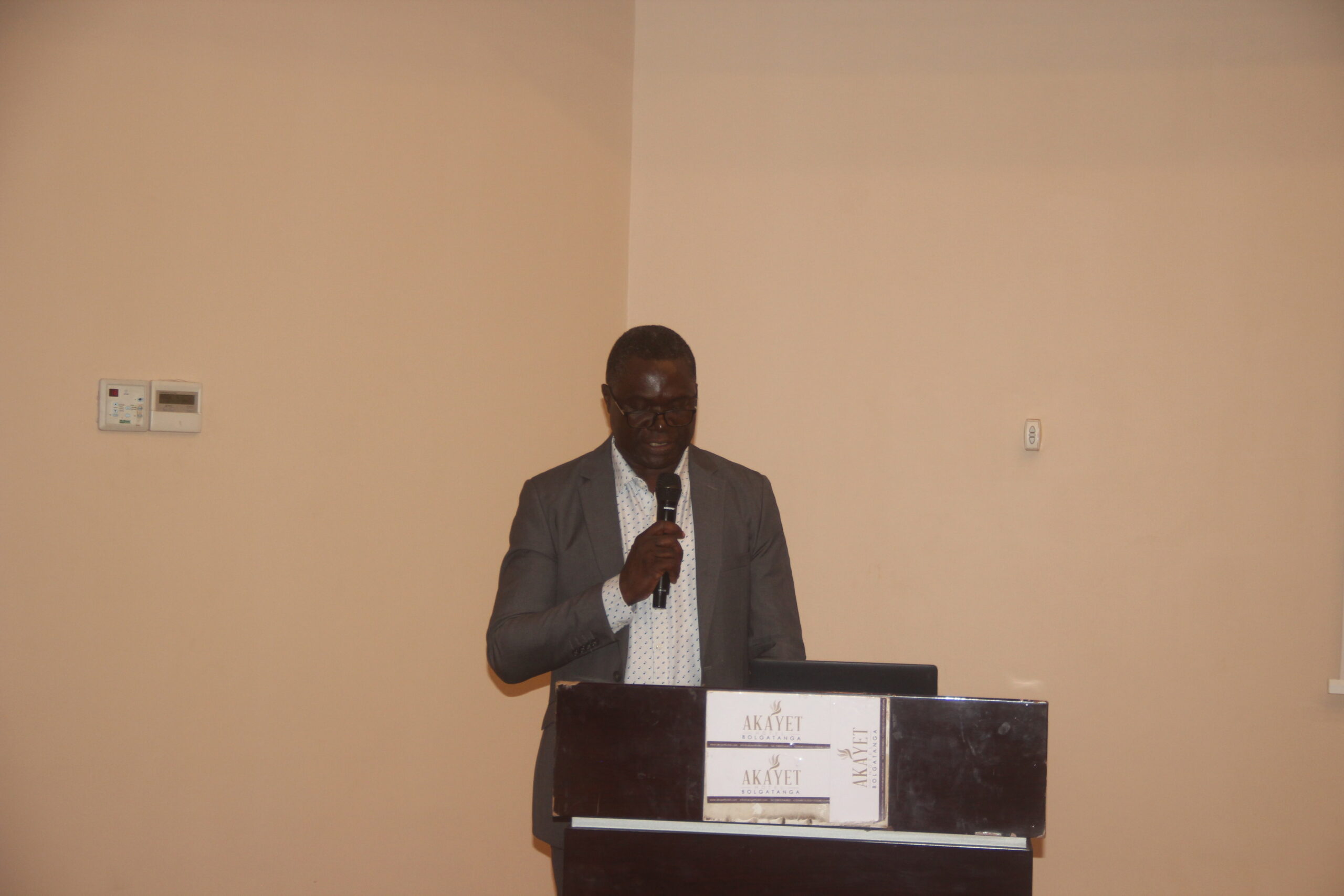
Addressing participants, the Regional Coordinating Director, Bless Kwame Darkey said security was fundamental to peace, social cohesion and sustainable development in the Upper East Region.
He identified communal and boundary disputes, mining-related tensions, drug and substance abuse, organised crime and youth vulnerability as some of the major security concerns confronting the region.
Darkey emphasised that maintaining security was a shared responsibility requiring strong collaboration among government institutions, traditional authorities, civil society, the private sector and local communities.
He also called for attention to socioeconomic challenges, including unemployment, exclusion and vulnerability, which could contribute to insecurity if not adequately addressed.
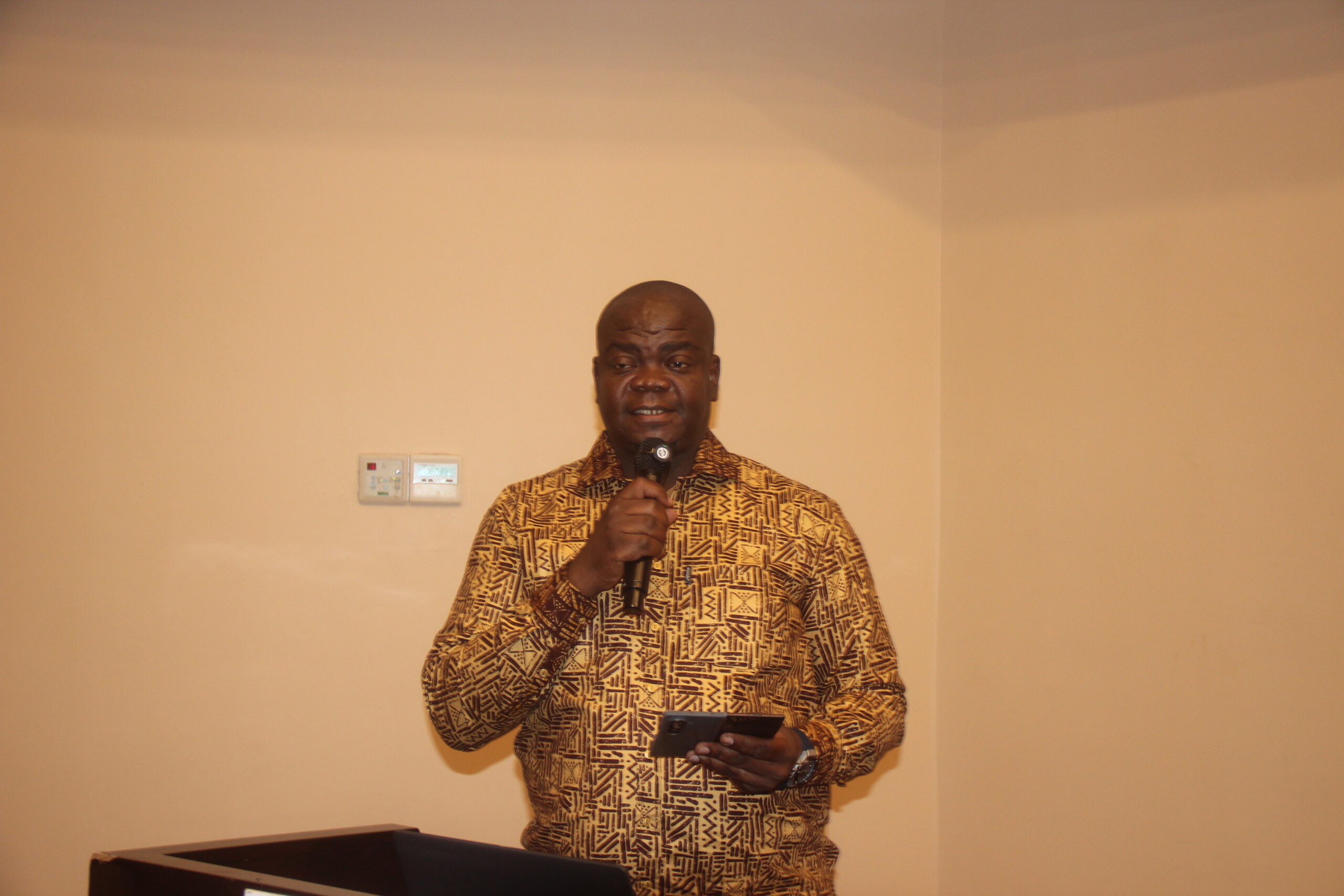
Dr. Mohammed Bako, Technical Aide to the National Security Council, said the 2020 National Security Strategy had reached the point of review, necessitating consultations with stakeholders across the country to strengthen the proposed revised document.
He explained that the revised strategy represents a shift from a state-centred security approach to a human-centred framework, adopting a whole-of-government and whole-of-society approach, with greater emphasis on anticipatory governance.
Dr. Bako said the Upper East Region was particularly important to the review because of its strategic location bordering Burkina Faso and Togo and its proximity to the Sahel, in addition to its existing local security challenges.
He urged participants to identify threats and security concerns that might have been overlooked in the draft strategy and propose practical measures to ensure the revised document responds to the realities of communities in the region.
According to a media brief from the National Security Council Secretariat, the review is being undertaken in line with the Security and Intelligence Agencies Act, 2026 (Act 1168), which provides for the periodic review of Ghana’s National Security Strategy.
The Secretariat cited developments in the sub-regional security environment, illegal small-scale mining, chieftaincy-related conflicts, cyber threats, disinformation, cross-border crime and climate-related pressures among emerging issues informing the review.
The regional engagements form part of a broader consultation process across all 16 regions of Ghana. Contributions gathered will be considered alongside inputs from other consultations before the revised National Security Strategy is finalised.
Mike 105.3 FM I Navrongo | Samuel Atule Abiiro