Parliament approves seven supreme court justices appointed by President Mahama
Despite the Minority’s resistance, the Majority stood firmly behind the nominations. Majority Leader Mahama Ayariga dismissed the concerns, describing the process as lawful and necessary to ensure continuity at the apex court.
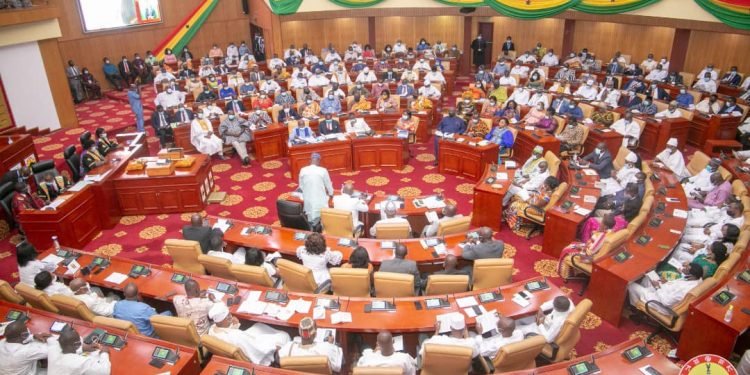
Parliament has approved all seven Supreme Court nominees appointed by President John Dramani Mahama, following an intense debate that highlighted partisan divisions over the future of the country’s judiciary.
The approved nominees include, Justice Senyo Dzamefe, Justice Sir Dennis Dominic Adjei, Justice Gbiel Simon Suurbaareh, Justice Philip Bright Mensah, Justice Janapare Adzua Bartels‑Kodwo, Justice Hafisata Amaleboba, and Justice Kweku Tawiah Ackaah‑Boafo.
These justices were vetted by the Appointments Committee, which commended their legal acumen and professional integrity. The committee noted that each nominee met the constitutional requirement of having at least 15 years of legal experience, and demonstrated strong knowledge of judicial ethics and constitutional law during the vetting.
But the confirmation did not come without pushback. The Minority in Parliament opposed the nominations, citing procedural and constitutional concerns, particularly in light of the recent suspension of Chief Justice Gertrude Torkornoo.
“We cannot pretend all is well when a sitting Chief Justice is suspended without due process, and nominations are made without clarity on the vacancy. This is a constitutional and moral contradiction. The Minority cannot, in good conscience, support this process.” Minority Leader Alexander Afenyo-Markin, speaking on the floor of Parliament, stated.
Despite the Minority’s resistance, the Majority stood firmly behind the nominations. Majority Leader Mahama Ayariga dismissed the concerns, describing the process as lawful and necessary to ensure continuity at the apex court.
“Mr. Speaker, these nominees are not just qualified—they are experienced, disciplined, and committed to the rule of law. The House has a duty to ensure that the Supreme Court operates with a full bench to carry out its responsibilities efficiently.” Ayariga asserted.
Speaker of Parliament Alban Bagbin ruled in favor of proceeding with the vote, affirming that the parliamentary procedures had been duly followed.
“The Committee has submitted its report, and the House has debated extensively. I find no procedural breach. I therefore put the question.” Bagbin declared.
President Mahama’s nominations come at a pivotal time, with many viewing the move as part of a broader effort to restore confidence and stability within the judiciary. However, the Minority maintains that the manner in which these appointments were made raises serious constitutional concerns that may need further review.
Mike 105.3FM | Navrongo | Alexander Kubabom