Rise-Ghana urges strict enforcement of Affirmative Action Law to boost women’s participation in governance
Rise-Ghana advocates full implementation of Affirmative Action Law to increase women's leadership
Rural Initiatives for Self-Empowerment Ghana (Rise-Ghana), a non-governmental organisation based in Bolgatanga, has called for the strict implementation of Ghana’s Affirmative Action Law to ensure greater inclusion of women in leadership, governance and decision-making processes across the country.
The organisation expressed concern that despite the passage of the Affirmative Action Act, many institutions have yet to comply with the law’s minimum 30 per cent representation target for women in leadership and decision-making positions.
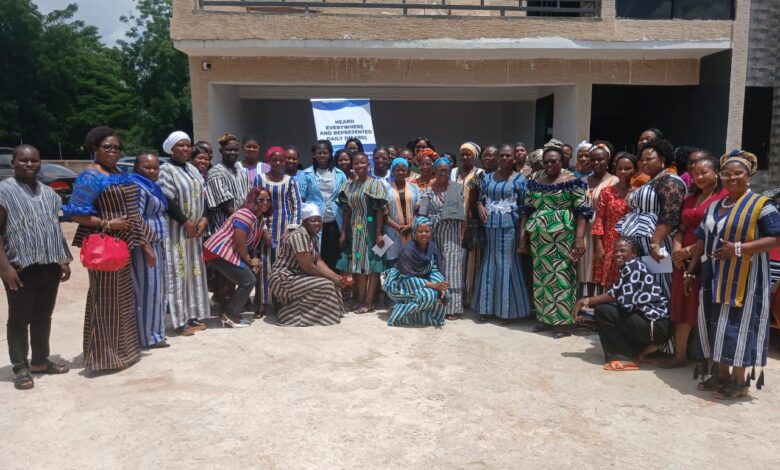
The call was made during the 2026 Annual Women’s Convening held in Bolgatanga on Wednesday August 5, under the “Heard Everywhere and Represented Daily (HEARD) Project,” implemented by Rise-Ghana with funding support from NORSAAC.
The annual forum brought together women leaders from the public and private sectors, educational institutions, traditional authorities, market associations and civil society organisations to assess the implementation of the Affirmative Action Law in the Upper East Region and identify strategies for advancing women’s participation in governance.
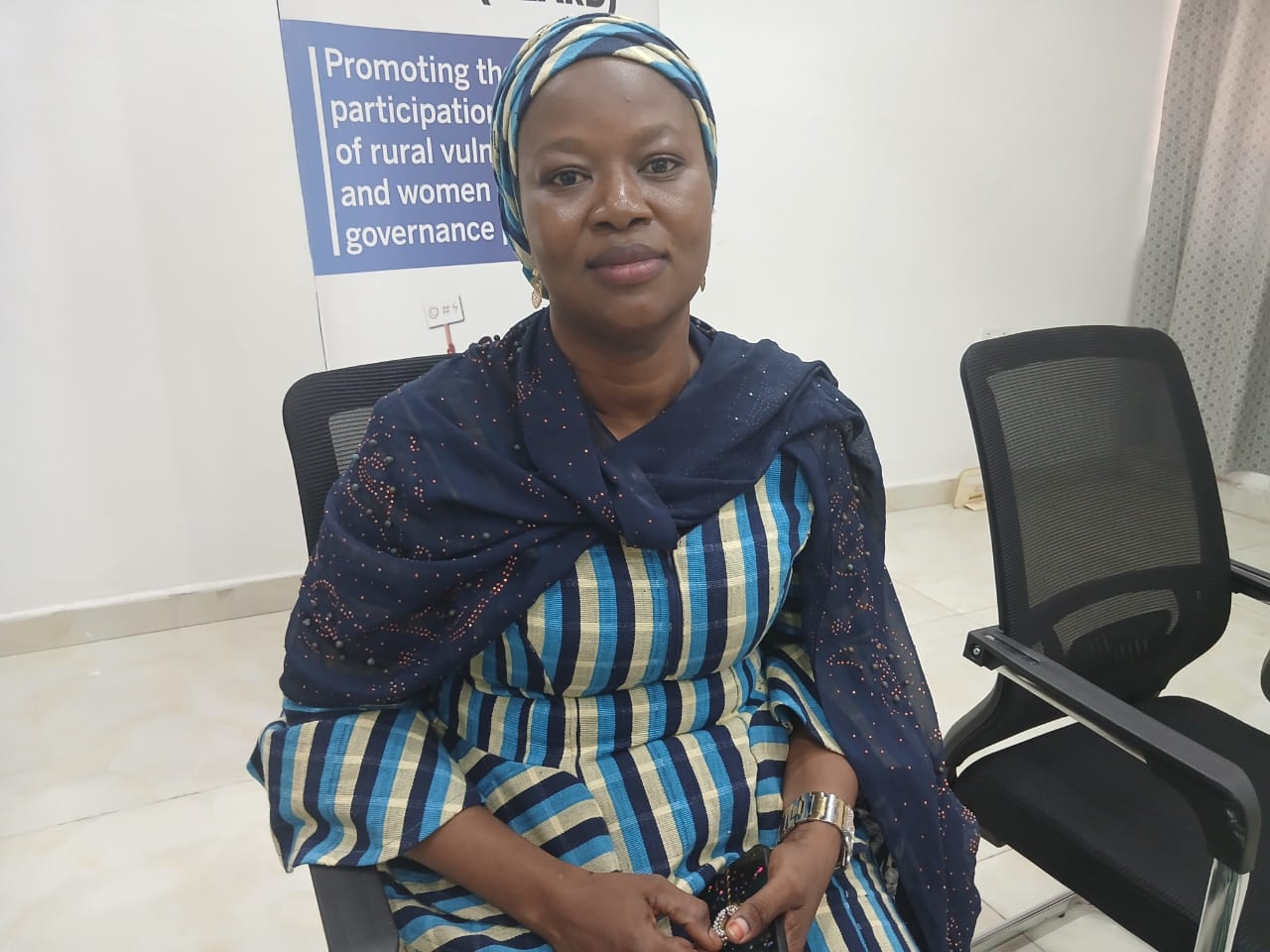
Head of Programmes at Rise-Ghana, Jaw-haratu Amadu, said the engagement focused on deepening participants’ understanding of the law and strengthening advocacy efforts to ensure its effective implementation.
“Today, we discussed and sensitised ourselves on what the Affirmative Action Law says and the responsibilities expected of us in terms of public education, sensitisation and advocacy,” she said.
She urged participants to become ambassadors of the law by promoting its implementation at every available opportunity.
“As key stakeholders in the region, we are encouraged to make the law an everyday action. Every opportunity we get should be used to advocate and encourage institutions and stakeholders to implement the law so that we have more women in decision-making positions in both the public and private sectors,” she stated.
Amadu noted that greater participation of women in governance contributes to stronger institutions and more sustainable national development.
She, however, observed that women’s participation in leadership continues to be undermined by harmful social norms, cultural beliefs and long-standing stereotypes.
“Some people believe that women are not capable of making decisions, that their place is in the kitchen, and that their primary role is childbearing. Others think they do not have what it takes to lead,” she lamented.
She therefore called on public institutions, private organisations and corporate bodies to fully implement the law’s 30 per cent quota for women’s representation, particularly in top-level decision-making positions, rather than limiting women’s participation to lower-level roles.
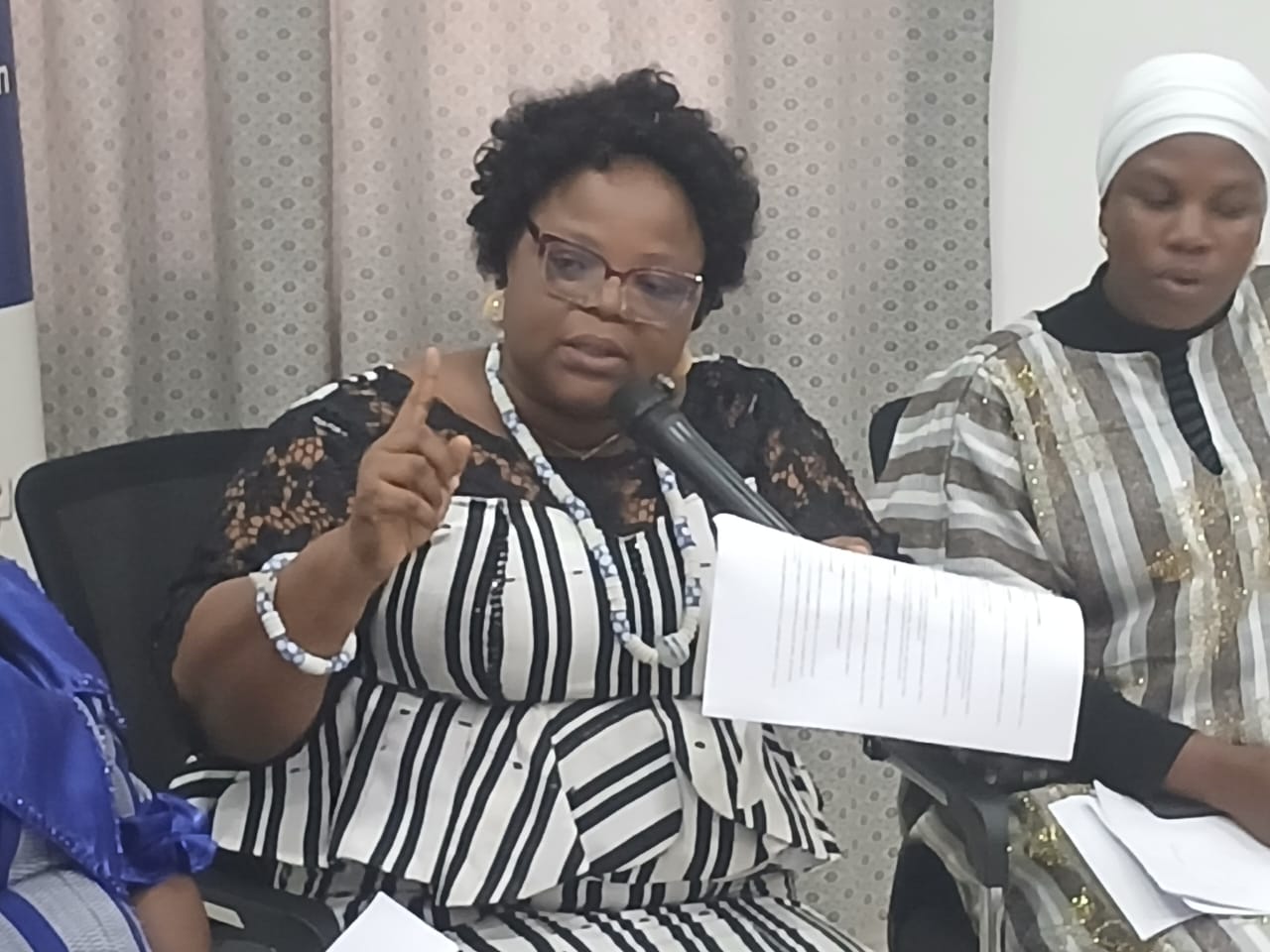
Also speaking at the event, Philomena Akandem, President of the Women’s Fellowship of the Upper Presbytery of the Presbyterian Church of Ghana and a women and children’s advocate, encouraged women to continuously build their capacity and prepare themselves for leadership opportunities.
“As a woman, you need to develop and empower yourself so that when opportunities arise, you can compete favourably with your male counterparts. You should not expect to be selected simply because you are a woman,” she advised.
She stressed that competence, knowledge and continuous self-improvement should be the foundation of women’s quest for leadership.
“It should be about your competence to do what is required. Learn, upgrade yourself and acquire the necessary skills so that when the opportunity comes, you are fully prepared,” she added.
Akandem further urged women not to view men as competitors but rather focus on maximising their abilities and contributing meaningfully to community and national development.
She encouraged women to rise to leadership challenges, remain productive and play active roles in nurturing future generations through positive influence and active participation in society.
Mike 105.3FM I Navrongo | David Adapuna