WRC warns of growing pressure on groundwater resources in White Volta Basin
Jesse Kazapoe says population growth and potential pollution from illegal mining, waste disposal and other human activities threaten groundwater sustainability in the White Volta Basin, where over 80 per cent of residents depend on the resource.
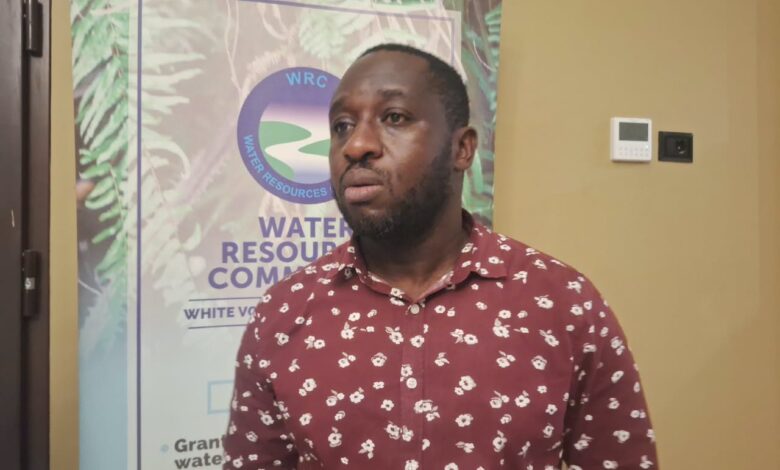
Head of the White Volta Basin of the Water Resources Commission (WRC), Jesse Kazapoe has warned that population growth and potential contamination from human activities pose significant risks to groundwater sustainability in the basin, where more than 80 per cent of residents depend on the resource for their daily domestic water supply.
Speaking during a stakeholder engagement on the development of a groundwater monitoring framework for the White Volta Basin, Kazapoe stressed the need for effective monitoring and sustainable management practices to protect groundwater resources for present and future generations.
He said the basin had an estimated population of about four million people, with an annual growth rate of 2.6 per cent, a trend that could increase pressure on groundwater reserves as demand for water continues to rise.
“More than 80 per cent of the people rely on groundwater for our daily water supply. That is the basic mode of our domestic water supply,” he said.
Kazapoe cautioned that declining groundwater reserves, coupled with population growth, could create competing demands for water and threaten the supply available to communities that depend heavily on underground sources.
“If it is going to diminish and the population is going to grow, then there will be competing needs. The demand on it is going to be high,” he said.
To address these concerns, the WRC, with support from WaterAid, is developing a groundwater monitoring framework to guide the systematic assessment and management of groundwater resources within the White Volta Basin.
Kazapoe explained that the framework would provide guidelines for selecting monitoring locations and wells, determining the parameters to be measured, and identifying the institutions and stakeholders responsible for monitoring activities.
He said the framework would also outline the resources required to sustain monitoring activities and provide a basis for evidence-based decisions on groundwater management.
The stakeholder engagement was organised to gather technical expertise, community experiences and institutional perspectives to improve the draft framework before its completion.
Kazapoe said contributions from participants representing different institutions, professional backgrounds and communities would help identify gaps and ensure that the final document addressed practical challenges associated with groundwater monitoring and management.
He stressed that the objective extended beyond producing a document to establishing a practical foundation for tracking groundwater conditions and protecting the resource over time.
A major concern raised during the engagement was the potential contamination of groundwater from human activities and facilities within communities, which could compromise water quality and threaten the health of residents who depend on the resource.
Kazapoe identified possible sources of contamination as illegal mining sites, refuse dumps, polluted rivers, burial grounds, facilities storing lubricants and oils, and abattoirs where animal waste could enter the surrounding environment.
He said identifying and mapping these potential contamination sources alongside groundwater monitoring points would help experts investigate possible links between pollution and changes in water quality.
According to him, mapping the potential sources of contamination would help water managers trace the possible origins of pollution, investigate emerging threats and recommend appropriate interventions when groundwater contamination is detected.
He added that the effectiveness of the framework would depend on adequate resources, effective implementation and the willingness of responsible institutions to act on findings generated through monitoring.
The proposed framework comes amid growing concerns about the sustainability of groundwater resources as population growth, environmental pressures and competing water needs place increasing demands on available supplies. Its successful implementation could strengthen early identification of threats, improve coordination among relevant institutions and help safeguard access to safe drinking water for millions of people in the White Volta Basin and beyond.
Mike 105.3 FM | Navrongo | Prosper Adankai